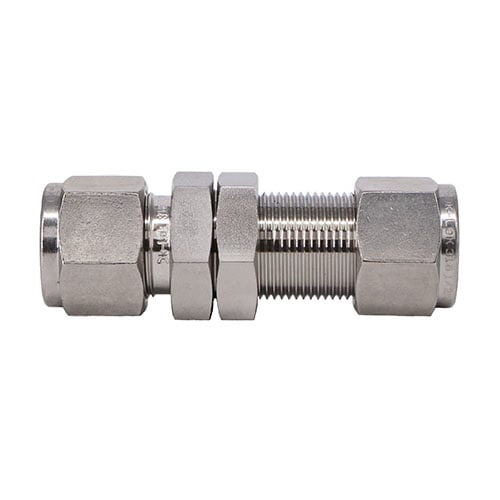
TL;DR
- Swagelok dominates instrumentation and process-control specifications. Parker dominates hydraulic and pneumatic distribution.
- Both brands deliver high-integrity performance in their core segments. The right pick depends on what the rest of the plant already runs.
- Swagelok offers broader variant coverage and exotic alloy options. Parker offers deeper per-SKU stock and lower per-piece cost on standard configurations.
- Process-control systems benefit most from Swagelok’s consistency across instrumentation. Hydraulic and utility runs benefit more from Parker’s stock depth.
- One brand per fitting, always. Mixing components fails leak testing.
Why this decision keeps coming up

Every new process-control project hits the brand question early. The engineering team has a preferred brand. The procurement team has a preferred supplier. The plant maintenance team has whichever brand it has been running for the last 20 years. None of those parties usually agrees, and the discussion gets technical fast.
The short answer: both brands work for process control. The right pick depends on where the system fits in the broader plant, what spare-parts inventory the plant already holds, and which supplier’s local depot can ship same-day on standard items.
Where Swagelok consistently wins
- Instrumentation panels. Pressure gauges, flow indicators, sample isolation manifolds. Swagelok’s variant coverage matches every standard panel configuration without substitutions.
- Sample systems. The high-integrity sample loops on refinery and chemical-plant analyzers run almost exclusively Swagelok.
- High-purity applications. Semiconductor, pharmaceutical, specialty gas. UHP VCR and VCO coverage is widest on the Swagelok line.
- Exotic alloy needs. Hastelloy, Inconel, Monel coverage in standard sizes is broader at Swagelok than at most competitors.
- Metric and imperial parallel coverage. Plants running mixed-standard equipment can stay within Swagelok across both systems.
Where Parker consistently wins
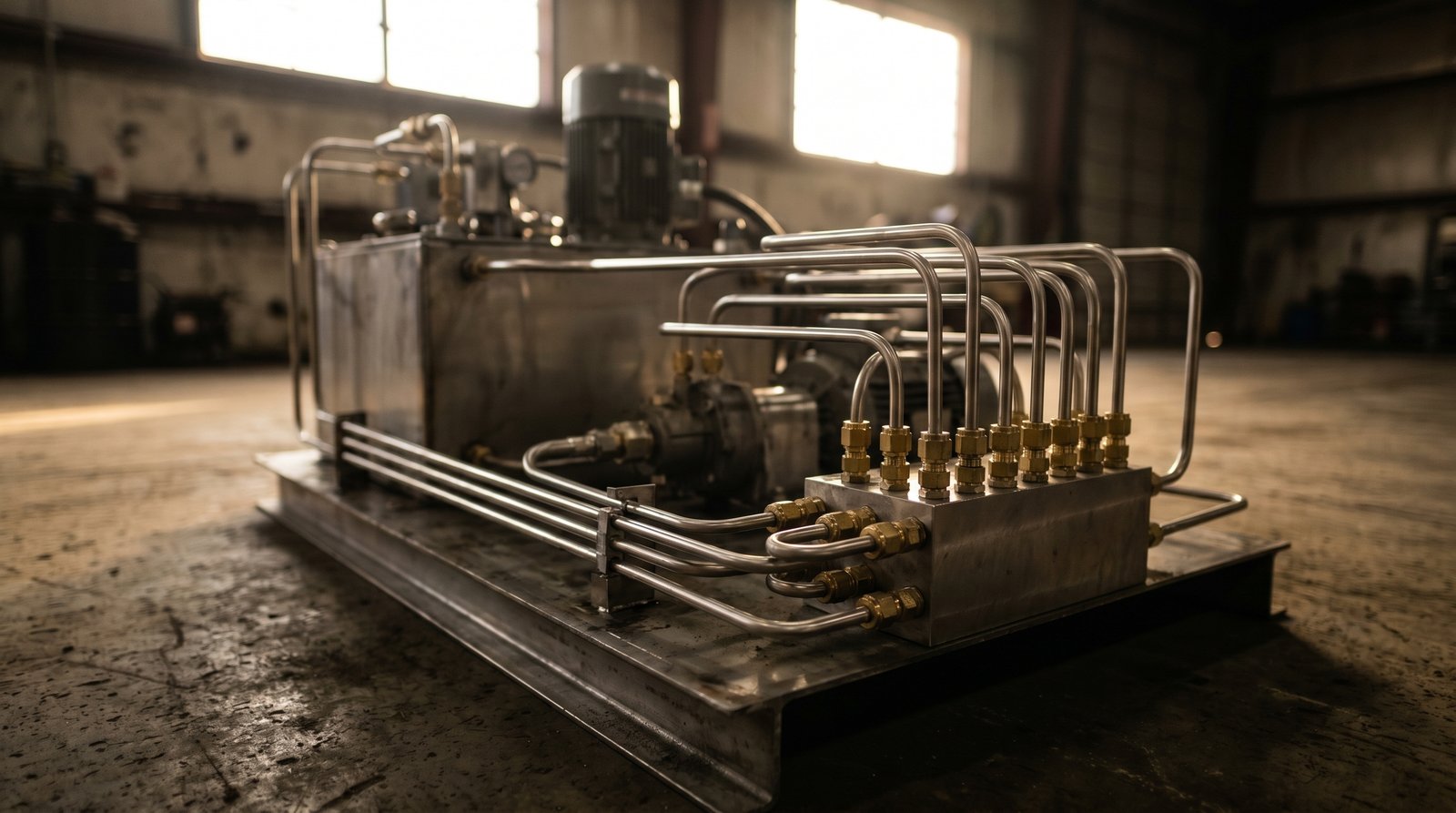
- Hydraulic distribution. Heavy-equipment manufacturers, mobile equipment, hydraulic power units. Parker’s deep stock and hydraulic-specific configurations dominate the segment.
- Pneumatic utility lines. Instrument air, plant air, breathing air, control air. Parker brass and stainless fittings carry deep depot stock.
- Large-bore process work. 3/4″ through 1″ tubing fittings — Parker’s stock depth on standard sizes routinely beats Swagelok on availability and cost.
- OEM equipment. Many original equipment manufacturers (compressors, generators, pumps) ship from the factory with Parker on the panel.
- Cost-driven projects. When the engineering spec allows either brand, Parker’s per-piece cost on standard configurations usually wins the bid.
The three-question filter
- What does the rest of the system run? Match the new install to the existing inventory. Brand mixing on a single fitting is non-negotiable — mixing across a panel or a skid wastes spare-parts stock.
- What is the service? Process control with sample integrity requirements: Swagelok. Hydraulic or pneumatic distribution: Parker. Mixed service: pick the brand that wins the largest segment.
- What does the local distributor stock? Same-day fulfillment is what makes the brand decision real. Collins-Oliver carries deep stock on both brands, so the local-stock answer is “yes” in either direction.
The non-decision: never mix at the fitting
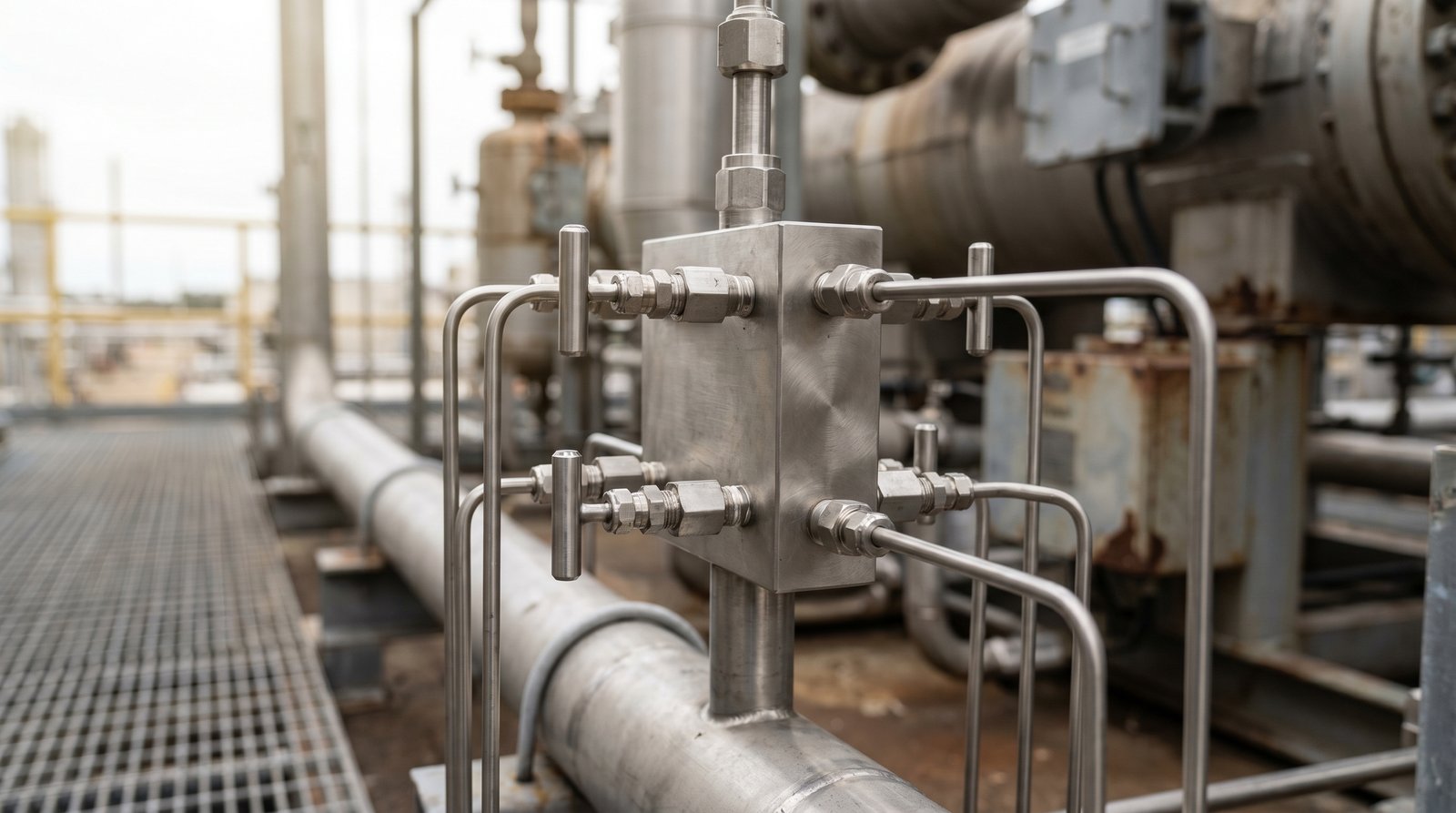
Whatever the brand decision at the system level, every individual fitting body, both ferrules, and the nut must come from the same brand. The geometry differences between Parker and Swagelok ferrules wreck the seal. The fitting may pass cold pressure test and leak under thermal cycling weeks later.
This rule applies to spare-parts inventory too. Label every ferrule box clearly. Keep Parker and Swagelok ferrules in separate bins. The cost of cross-contamination on the spare-parts shelf shows up as a leak six months later in the field.
Process-control specifics
For a typical process-control installation — pressure transmitters, flow meters, level instruments, sample taps — the recommendation is:
- Instrument process taps: Swagelok 316L double-ferrule, NACE-certified if the line is sour.
- Hydraulic actuator supply: Parker A-LOK, 316L or 316L NACE depending on environment.
- Pneumatic actuator control: Parker brass or stainless depending on instrument air quality.
- Sample isolation: Swagelok 316L, with double block-and-bleed manifolds for high-pressure or hazardous service.
- Hydrogen seal supply (generator): Swagelok 316L for the seal-oil side, Parker for the H2 supply panel.
What the brand decision does not change
Material selection, pressure rating, temperature derating, surface finish, certification requirements — these are service-driven specs, not brand-driven. Both Swagelok and Parker publish the same engineering data and meet the same industry standards. The brand decision affects availability, stock depth, and consistency with the existing plant. It does not change whether 316L is appropriate for the service.

Need help spec’ing process-control fittings? Read the Parker vs Swagelok in-depth comparison or call Collins-Oliver. Deep stock on both brands, same-day shipping nationwide.