
TL;DR
- Weld fittings join by welding for a permanent, leak-tight connection.
- Socket weld inserts the tube into a socket and fillet-welds it; simple and common.
- Butt weld aligns and welds the ends, best for high pressure and full-bore flow.
- Pipe weld and tube weld ends differ; match the weld end to your line.
Choosing weld fittings sounds simple until you stand at the fab table with three end styles in front of you. This weld fittings guide sorts out socket weld, butt weld, and pipe weld ends so you specify the right joint the first time. You will see the governing standards, the size ranges where each style dominates, the pressure classes, and the inspection realities that decide which end belongs on your line. When you are ready to order, Collins-Oliver stocks the fittings and tubing to back it up.
What Are Weld Fittings and Why Do Ends Matter?
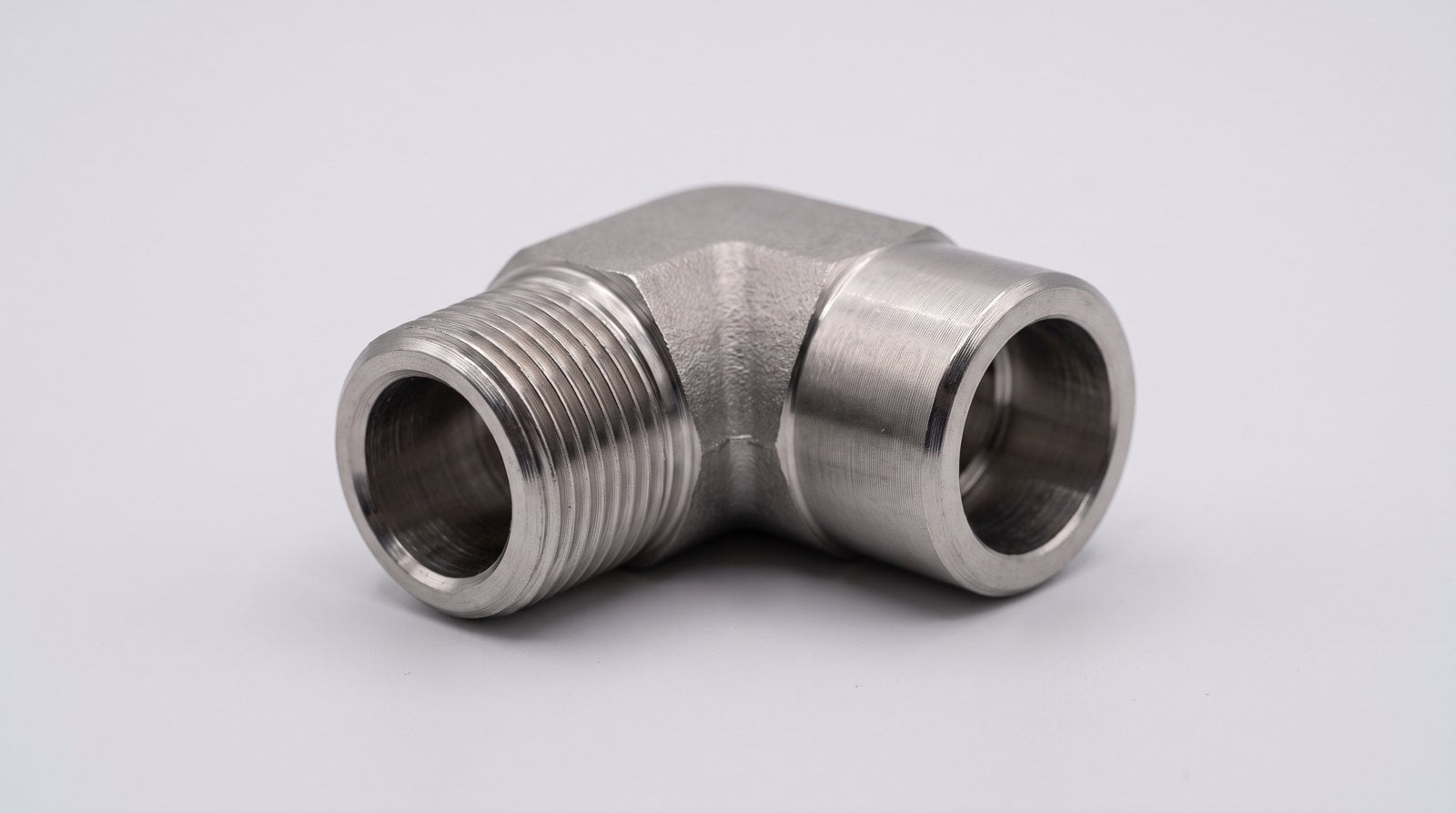
Weld fittings connect pipe, tube, or instrument components with a permanent welded joint instead of a threaded or mechanical seal. The weld end is the geometry where filler and heat fuse the fitting to the line. That geometry controls flow, strength, and how you inspect the joint. Pick the wrong end and you invite crevice corrosion, flow restriction, or a weld you cannot examine. Pick the right end and you get a joint that outlasts the equipment around it.
What Is a Socket Weld Fitting?
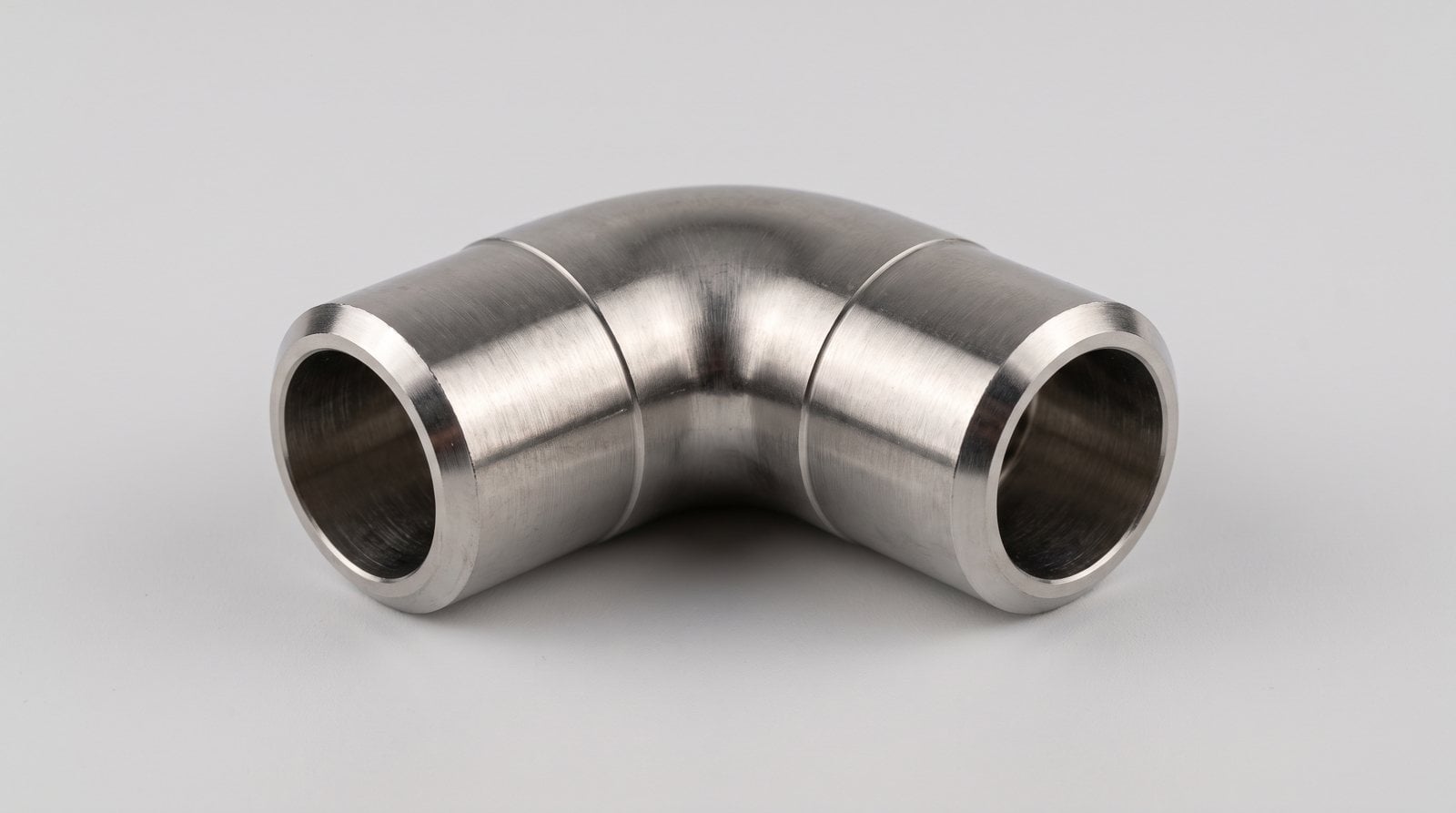
A socket weld fitting has a recessed bore, a socket, that receives the pipe or tube. You slide the pipe in, back it off slightly to leave a root gap, then lay a fillet weld around the outside. That small gap matters. It gives the weld room to expand and keeps the root from cracking.
Socket weld fittings follow ASME B16.11 for forged steel and stainless fittings. They shine on small-bore lines, typically 2 inch nominal pipe size and below, where a butt weld would be fussy to align. You get fast fit-up, no precise beveling, and a strong joint for high-pressure instrument and utility piping.
- Standard: ASME B16.11 (forged socket weld and threaded fittings).
- Common sizes: 1/8 in. through 4 in. NPS, most common at 2 in. and below.
- Pressure classes: 3000, 6000, and 9000 (also written 3M, 6M, 9M).
- Weld type: external fillet weld, no root pass.
The trade-off is the internal gap and the fillet geometry. They create a crevice that can trap corrosive media and a flow path that is not perfectly smooth. Where cleanliness and corrosion drive the design, that crevice can rule socket welds out.
What Is a Butt Weld Fitting?
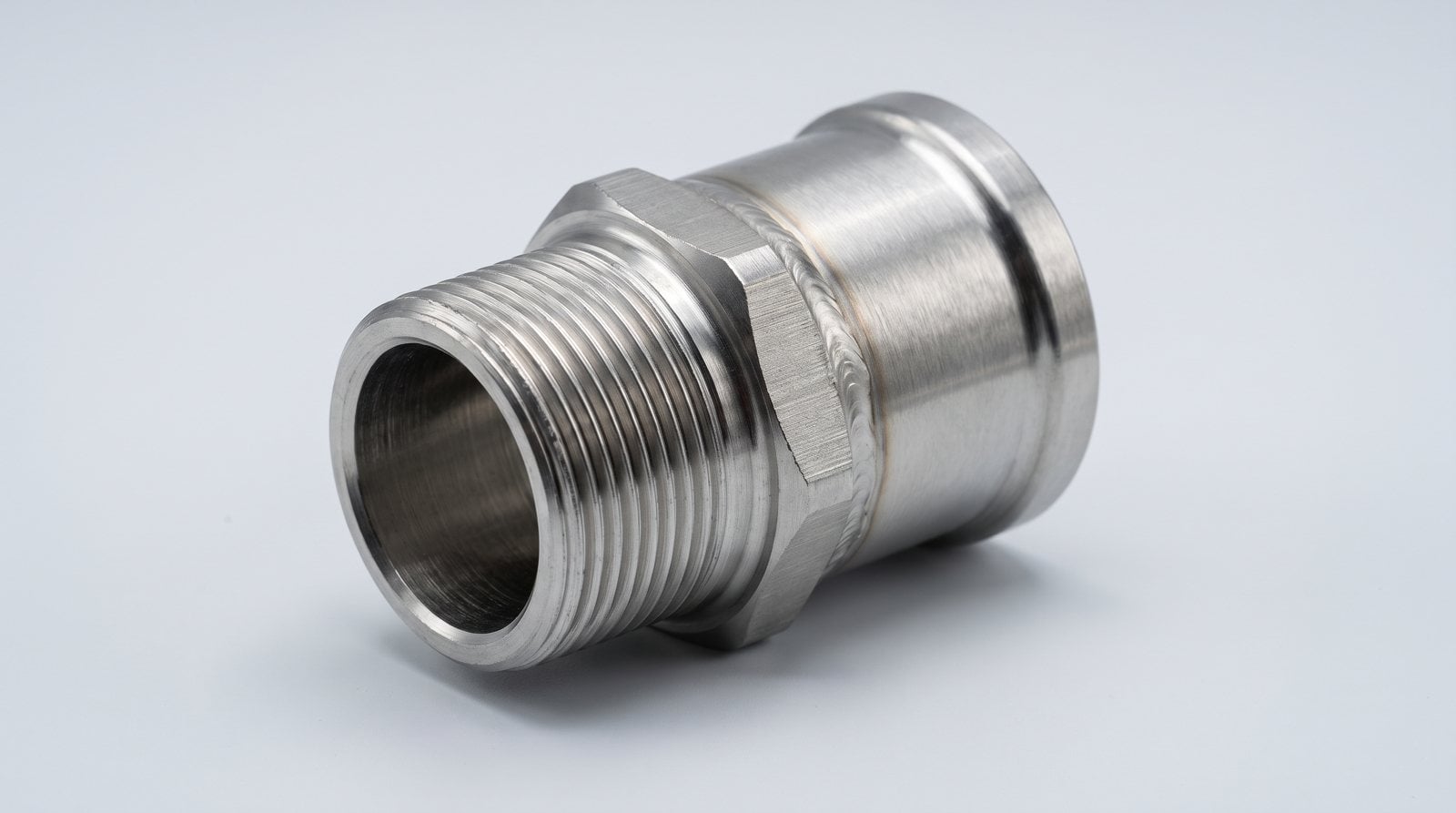
A butt weld fitting meets the pipe end to end. You bevel both ends, align them, run a full-penetration weld, and the fitting becomes a continuous part of the line. No socket, no crevice, no internal gap. The bore stays smooth from pipe to fitting.
Butt weld fittings follow ASME B16.9 for factory-made wrought fittings and ASME B16.25 for the welding-end preparation. They take over on larger bore lines, generally 2 inch nominal and up, and anywhere you need a clean, full-strength, inspectable joint.
- Standards: ASME B16.9 (dimensions), ASME B16.25 (weld-end bevel prep).
- Common sizes: 1/2 in. through 48 in. NPS and beyond.
- Strength: full-penetration weld develops the full strength of the pipe.
- Inspection: supports radiographic and ultrasonic examination of the weld.
Butt welds cost more labor. You bevel, fit, tack, and often need a certified welder and NDE. You buy that cost back on high-purity, high-temperature, and cyclic-load service where a smooth bore and a fully examinable weld are non-negotiable.
What Are Pipe Weld and Tube Weld Ends?
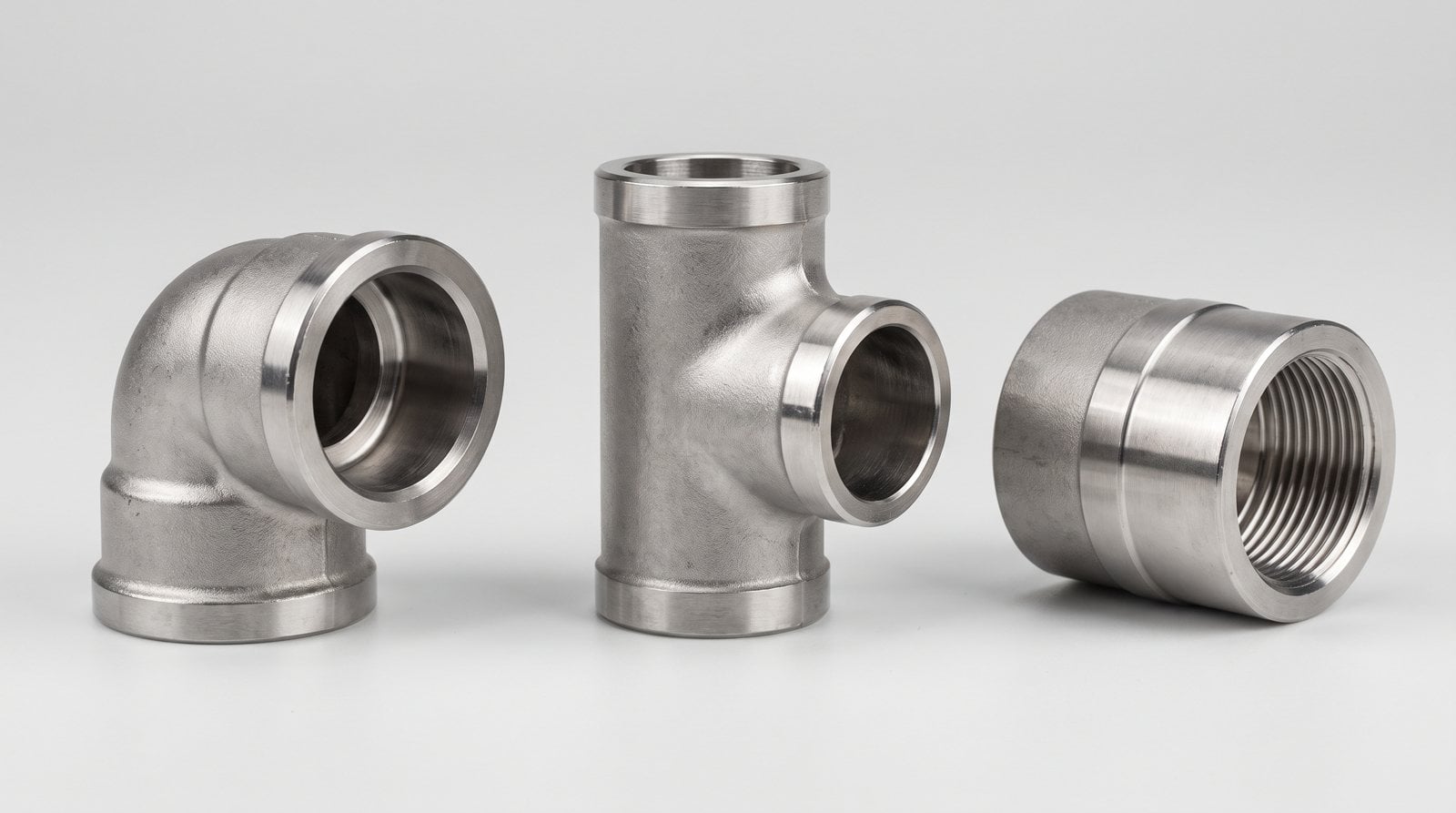
"Pipe weld end" and "tube weld end" describe fittings sized and prepared to weld directly onto pipe or onto instrument tubing rather than to thread or compression-connect. On instrumentation systems, tube weld ends let you fuse a fitting straight to seamless tubing for a leak-tight, permanent transition. Automatic orbital welding on those tube ends gives you a repeatable, high-purity joint that hand welding struggles to match on small diameters.
The key with any weld end is matching the fitting schedule and material to the line. A Schedule 40 fitting on a Schedule 80 pipe leaves a mismatched bore and a weak transition. Match wall thickness, match alloy, and match the weld-prep bevel.
Socket Weld vs Butt Weld vs Pipe Weld: Which Should You Choose?
Use this table to narrow the choice fast, then confirm against your line class and code.
| Factor | Socket weld | Butt weld | Tube/pipe weld end |
|---|---|---|---|
| Standard | ASME B16.11 | ASME B16.9 / B16.25 | Per component + tube spec |
| Typical size | 2 in. and below | 2 in. and above | Small-bore instrument tube |
| Bore smoothness | Internal gap/crevice | Smooth, full bore | Smooth when orbital welded |
| Fit-up effort | Low, no bevel | Higher, bevel + align | Moderate, prep + purge |
| Weld inspection | Fillet, surface + PT | Full RT/UT capable | Visual + RT on tube welds |
| Best for | High-pressure small-bore utility | Large-bore, high-purity, cyclic | Permanent instrument transitions |
What Governs Weld Fitting Quality?
Three things protect your joint. First, material traceability: keep mill test reports so your 316/316L fitting matches your tubing alloy. Second, weld-prep accuracy: a clean bevel per ASME B16.25 and a proper root gap set the weld up to pass. Third, purge and inspection: back-purge stainless to stop sugaring on the root, then examine the weld to your code. Skip any one and the joint becomes the weak link.
For related products, browse our weld and tube fittings or explore more in our resource library.
Frequently Asked Questions
When should I use socket weld instead of butt weld?
Use socket weld on small-bore lines, generally 2 inch and below, where fast fit-up matters and a crevice is acceptable for the media. Move to butt weld on larger bores and on clean or high-purity service that needs a smooth, fully inspectable joint.
Why do socket welds need a root gap?
You bottom the pipe in the socket, then back it off about 1/16 inch before welding. That gap gives the joint room for thermal expansion and reduces the chance of a cracked weld root. Welding a fully bottomed pipe risks stress cracks.
Are butt weld fittings stronger than socket weld fittings?
A full-penetration butt weld develops the full strength of the pipe with no crevice, so it is the stronger and cleaner joint. Socket welds are plenty strong for their pressure classes but carry an internal gap and a fillet weld.
What standards cover weld fittings?
Socket weld fittings follow ASME B16.11. Butt weld fittings follow ASME B16.9 for dimensions and ASME B16.25 for the welding-end preparation. Always weld to the applicable piping code for your service.
Can I weld directly to instrument tubing?
Yes. Weld-end fittings let you fuse straight to seamless tubing, and orbital welding gives a repeatable, high-purity joint on small diameters. Match the fitting alloy and wall to the tube and back-purge the root.
Order Weld Fittings From Collins-Oliver
Collins-Oliver is your authorized DK-LOK distributor in Baton Rouge, Louisiana, supplying socket weld, butt weld, and tube weld-end fittings plus 316 stainless tubing to refineries, petrochemical plants, and fabrication shops across the Gulf Coast. Bring us your line size, schedule, and alloy and we will match the fitting to your weld procedure. Call (225) 922-9324 or (800) 247-5756, email info@collins-oliver.com, or request a quote today.