
TL;DR
- Tube fittings are sized by tube outside diameter (OD), never the inside diameter.
- Fractional (1/16 in. to 2 in.) and metric (2 mm to 50 mm) fittings are not interchangeable.
- Measure the tube OD with calipers and match the fitting size exactly.
- Wall thickness is specified separately and sets the working pressure rating.
Pick the wrong size and you leak, you rework, you shut the loop down. This tube fitting sizing chart gives you the fractional and metric tube OD numbers you need to spec fittings right the first time. Tube fittings size to the outside diameter (OD) of the tube, not the inside diameter and not a nominal pipe size. Get the OD right and the ferrules bite where they should. Below you get the conversions, the standard stock sizes, and the traps that catch even experienced engineers.
How Do You Measure Tube for a Fitting?
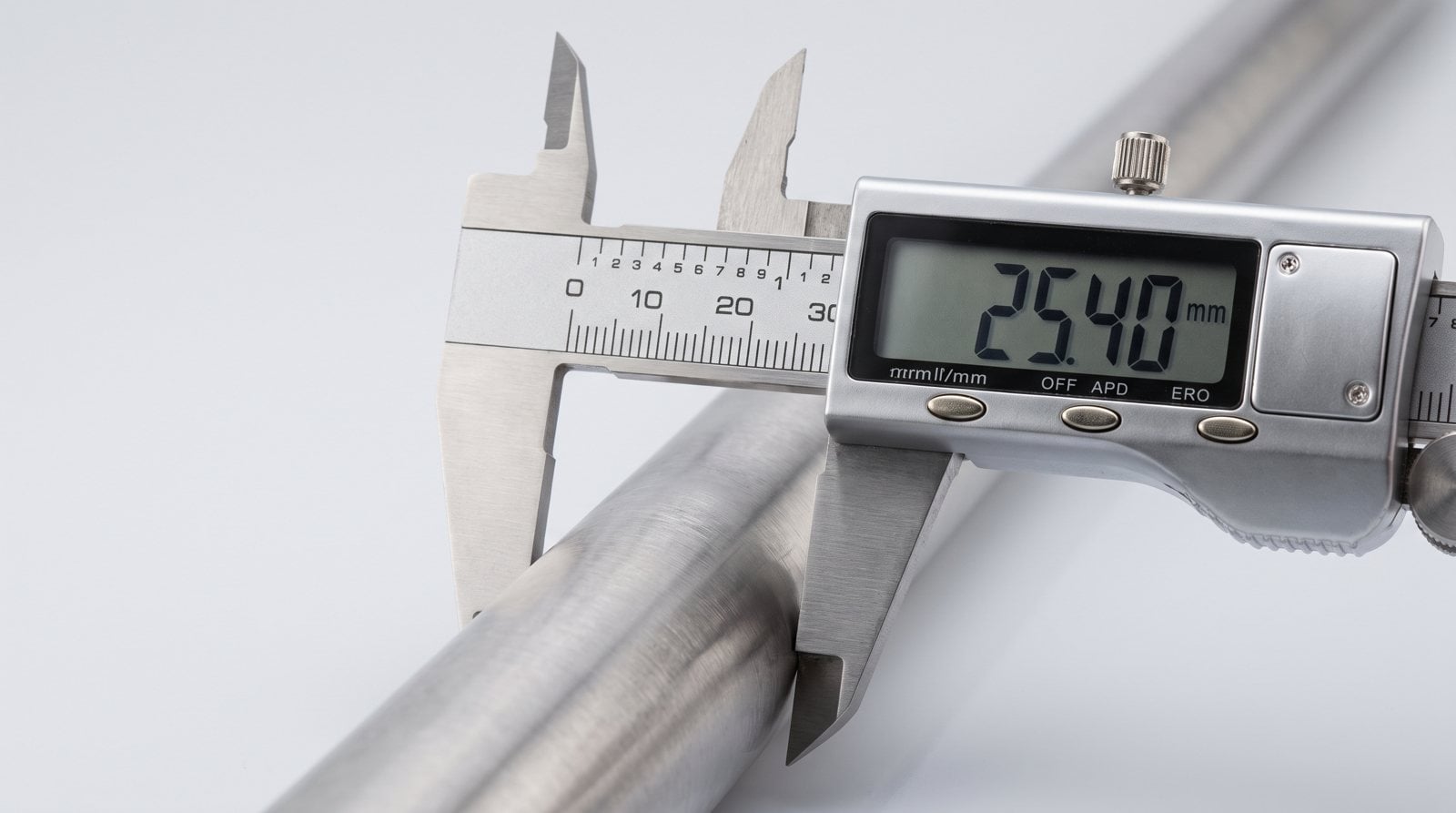
You measure the tube outside diameter. Put calipers across the OD and read it directly. A fitting stamped "1/2" fits 1/2 inch OD tube (0.500"), full stop. Pipe is different: pipe uses nominal sizes where the number is neither the OD nor the ID, so never assume a "1/2 inch pipe" and a "1/2 inch tube" share a dimension. When you order, you give the tube OD and the tube wall thickness. Wall matters because thin wall needs the right support and heavy wall changes how the ferrule sets. When you are unsure, measure twice and call for your application.
What Is the Fractional-to-Metric Tube OD Conversion?
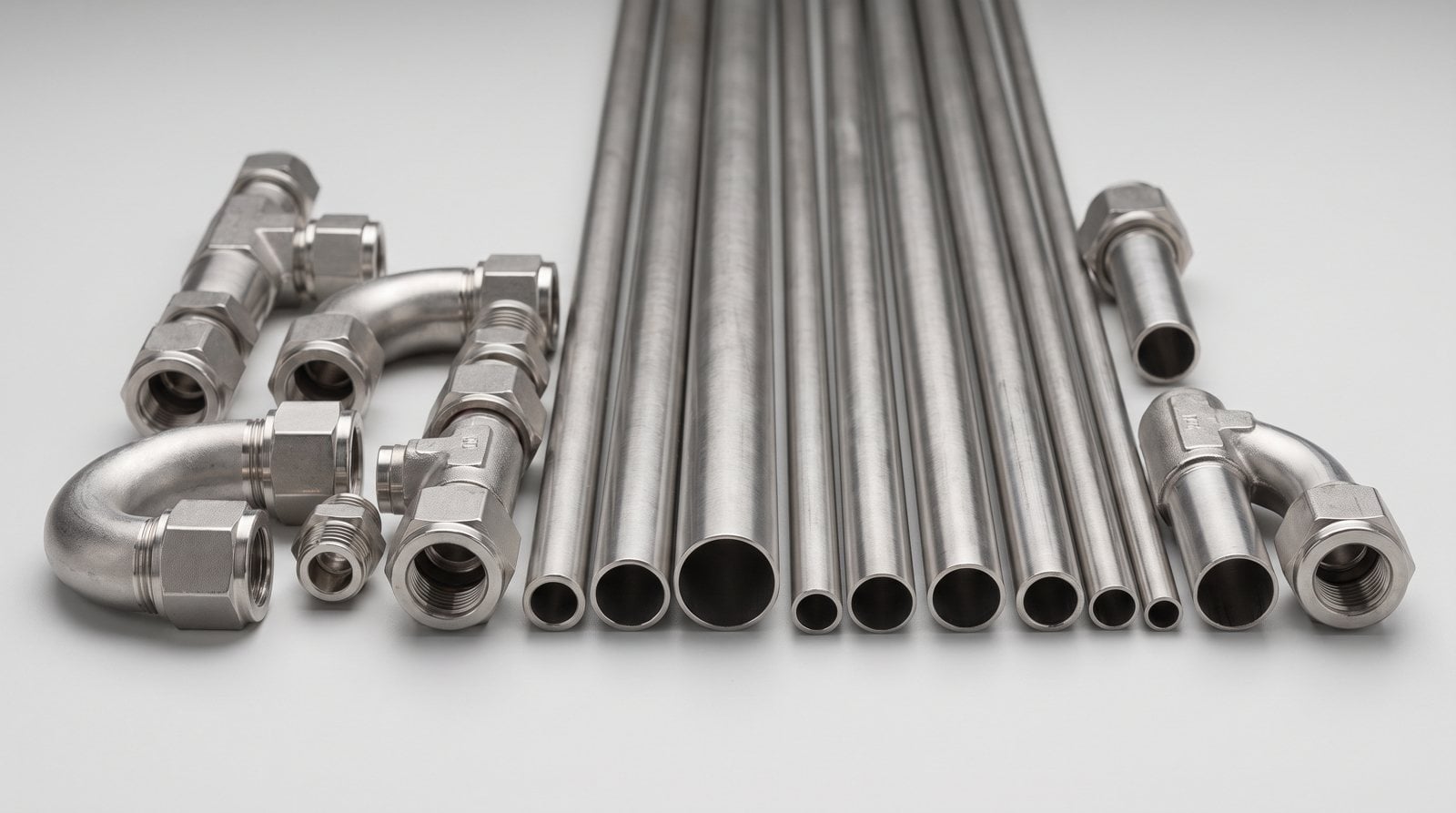
Here are the exact fractional inch tube ODs and their millimeter equivalents. These are true conversions, so they are precise. The right column shows the closest standard metric tube size, which is helpful but not interchangeable.
| Fractional OD (in) | Decimal (in) | Exact mm | Nearest metric tube OD (mm) |
|---|---|---|---|
| 1/16" | 0.0625 | 1.59 | 2 mm (not equal) |
| 1/8" | 0.125 | 3.18 | 3 mm (not equal) |
| 3/16" | 0.1875 | 4.76 | 5 mm (not equal) |
| 1/4" | 0.250 | 6.35 | 6 mm (not equal) |
| 5/16" | 0.3125 | 7.94 | 8 mm (not equal) |
| 3/8" | 0.375 | 9.53 | 10 mm (not equal) |
| 1/2" | 0.500 | 12.70 | 12 mm (not equal) |
| 5/8" | 0.625 | 15.88 | 16 mm (not equal) |
| 3/4" | 0.750 | 19.05 | 20 mm (not equal) |
| 7/8" | 0.875 | 22.23 | 22 mm (not equal) |
| 1" | 1.000 | 25.40 | 25 mm (not equal) |
| 1-1/4" | 1.250 | 31.75 | 32 mm (not equal) |
| 1-1/2" | 1.500 | 38.10 | 38 mm (not equal) |
| 2" | 2.000 | 50.80 | 50 mm (not equal) |
What Are the Standard Metric Tube OD Sizes?
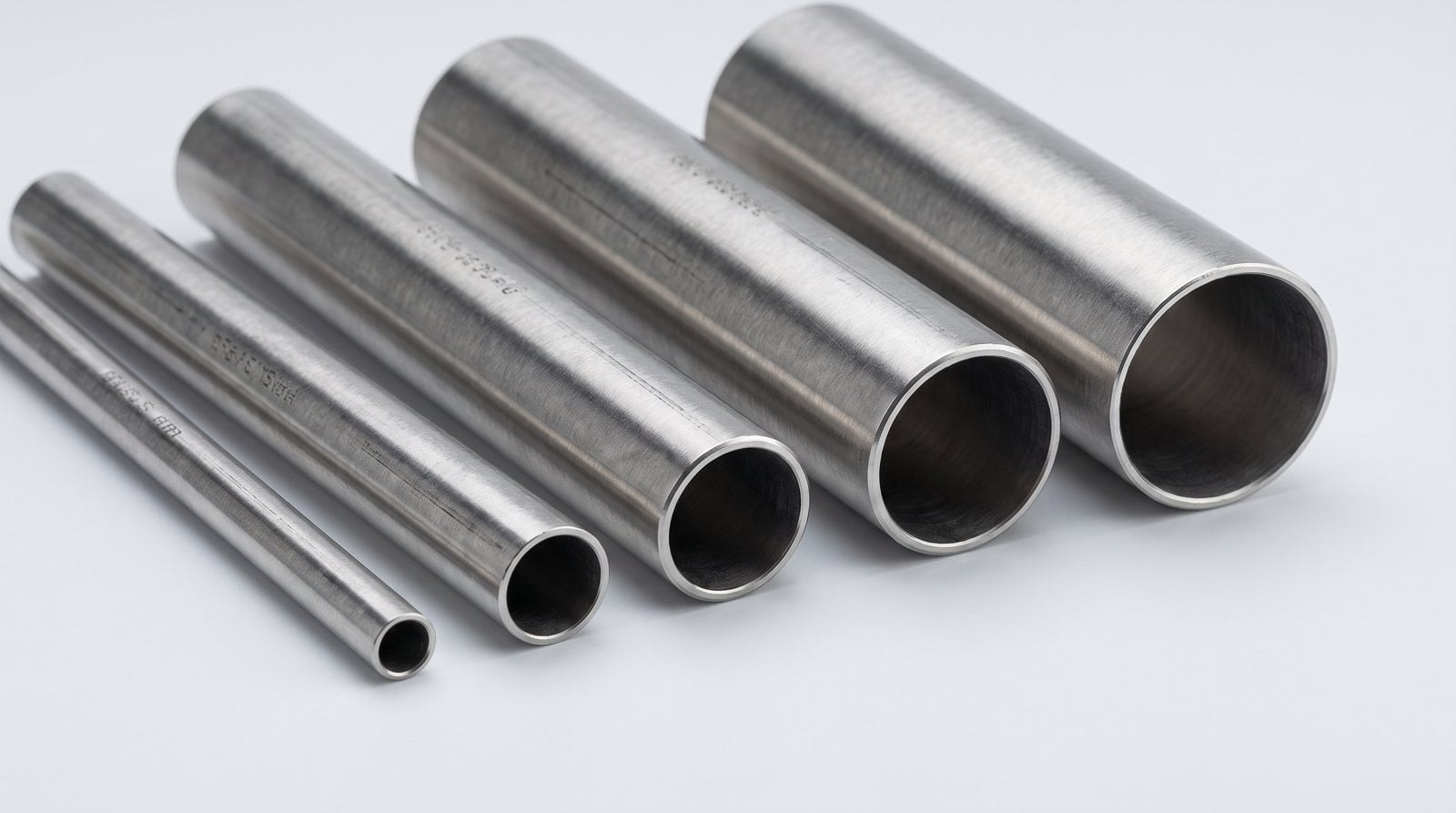
Metric instrumentation tube comes in its own set of stock ODs. You will see these on European and international builds and on many analyzer systems. The common sizes are: 2, 3, 4, 6, 8, 10, 12, 14, 15, 16, 18, 20, 22, 25, 28, 30, 32, and 38 mm. Each one gets a matched metric fitting. A 6 mm fitting takes 6 mm tube, a 12 mm fitting takes 12 mm tube. Do not push fractional tube into a metric fitting to save a trip. The gap is small and the seal fails.
Can You Mix Fractional and Metric Fittings?
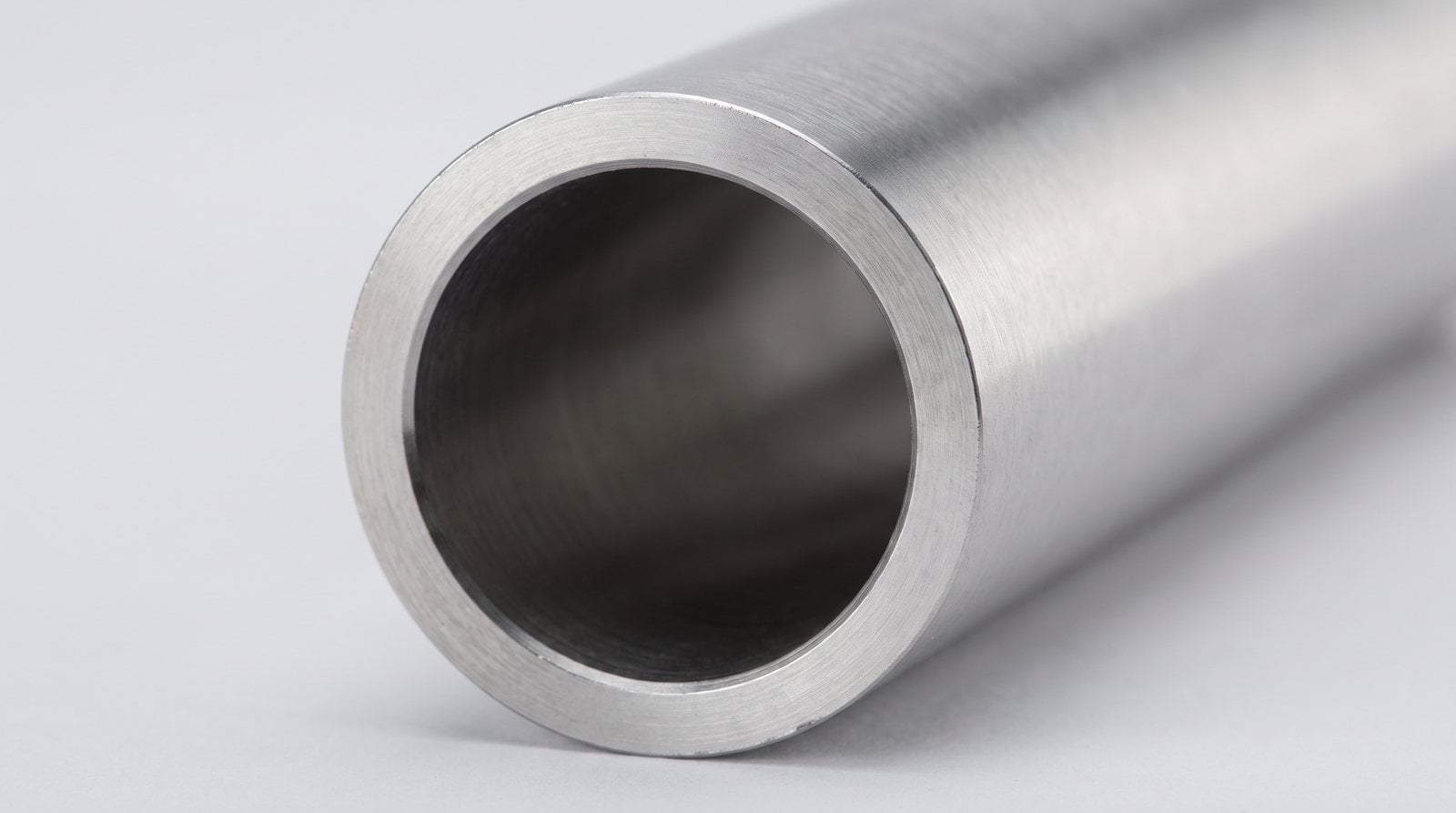
No. This is the mistake that bites hardest. A 1/4 inch fitting measures 6.35 mm and a 6 mm fitting measures 6.00 mm. That 0.35 mm looks like nothing on paper. In the field it means the ferrules never seat, the connection leaks under pressure, and you chase a phantom failure for hours. The same trap sits between 1/2 inch (12.70 mm) and 12 mm, and between 3/8 inch (9.53 mm) and 10 mm. Keep your fractional tube on fractional fittings and your metric tube on metric fittings. Mark the bins. Twin-ferrule fittings from different manufacturers can also differ in ferrule geometry, so match the fitting brand to the ferrule and the tube.
What Tube Wall Thickness Should You Order?
Wall thickness pairs with OD to give you the pressure rating and the bend behavior you need. Higher pressure or larger OD calls for thicker wall. Softer, fully annealed stainless holds the ferrule set better than hard-drawn tube. The exact allowable wall for a given fitting and pressure depends on the tube material, the temperature, and the service. We will not guess a wall for you. Give us your working pressure, temperature, media, and OD, and we will confirm the right wall and the right fitting for your application.
What Is Gauge Retention and Why Does It Matter?
After you pull up a twin-ferrule fitting, a gap inspection gauge tells you the nut turned far enough to set the ferrules. That check is tied to the tube OD too. A gauge cut for 1/2 inch tells you nothing on a 3/8 inch connection. Keep the right gauge with the right size, and keep your fractional gauges separate from your metric gauges. The gauge is your proof the joint is made, so treat it as part of the sizing system, not an afterthought. When you standardize your shop on one tube system, you cut errors, speed installs, and make every inspection repeatable.
For related products, browse our tube fittings or explore more in our resource library.
Frequently Asked Questions
Is tube size measured by OD or ID?
Tube fittings size by outside diameter. Measure the OD with calipers. Only wall thickness and pressure work involves the ID.
Is 1/4 inch the same as 6 mm?
No. 1/4 inch is 6.35 mm and 6 mm is 6.00 mm. They are close but they do not seal in the same fitting. Keep them separate.
What is the mm equivalent of 1/2 inch tube?
1/2 inch OD tube is exactly 12.70 mm. The nearest metric tube is 12 mm, which is not interchangeable with 1/2 inch.
How do I know which wall thickness to order?
Wall depends on your pressure, temperature, and media. Send those numbers to Collins-Oliver and we confirm the wall and the fitting for your service.
Can I reuse a fitting on a different tube size?
No. A fitting is machined for one OD. Match every fitting to its tube OD and material.
Get the Right Fitting from Collins-Oliver
Collins-Oliver is your authorized DK-LOK distributor in Baton Rouge, serving refineries, petrochemical plants, power generation, and instrumentation shops across the Gulf South since 1986. Bring us your tube OD, wall, and service, and we match the exact fitting. Call (225) 922-9324 or (800) 247-5756, or email info@collins-oliver.com for a quote.