TL;DR
- A missing $40 fitting can park a $40 million plant. The cost of the part is not the cost of the shortage.
- Most plant downtime caused by missing parts traces to single-distributor stock-outs on standard items.
- Inventory depth at the local distributor is the difference between a 4-hour repair and a 4-week project.
- “Need It Today” is a promise that only matters when the part is actually on the shelf.
- Collins-Oliver carries 1,000,000+ pieces across 19,000+ part numbers — built for the unscheduled call.
The math nobody likes to do

A refinery cracker running at design rate produces around $10-15 million of product per day. A 1,500 MW power plant generates around $1.5-2 million of electricity per day. A semiconductor fab outputs in the range of $5-10 million of wafer value per day. None of those numbers are exact — they vary by feedstock, market price, and capacity factor. All of them dwarf the cost of a tube fitting.
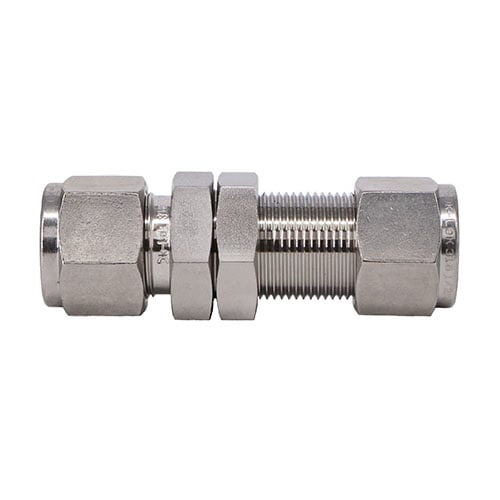
The math of an unplanned outage is brutal. A 1/4″ compression fitting costs $20-50 retail. The plant losing $10 million per day cannot wait the 4 weeks it takes the manufacturer to make and ship a single replacement. The distributor either has the part on the shelf today, or the plant operates degraded, defers maintenance, or shuts down.
What stock-outs actually look like in the field
A maintenance technician walks the plant during a planned turnaround. She spots a tube fitting that should be replaced. She pulls the requisition, calls the standard distributor. The distributor says: “We can have it Wednesday.” Today is Monday. The turnaround ends Tuesday at midnight.
Now the plant has three options:
- Defer the replacement. Run another cycle on a fitting that should have been replaced. The fitting fails 3 weeks later, unplanned.
- Extend the turnaround. Add 36 hours of outage to wait for the part. Burn through schedule margin.
- Find an alternative distributor with stock. Pay the premium, get the part today.
Why standard items still go out of stock

- Lean inventory practices. Manufacturers and distributors hold less inventory than they did 20 years ago. The math says working capital improvement justifies the risk.
- Supply chain shock. Pandemic-era lessons compressed lead times by exposing how thin some supply chains had become.
- Mill production runs. Specialty alloys (Inconel, Hastelloy) run on scheduled mill campaigns. Miss the campaign and the next run is 8-16 weeks out.
- SKU proliferation. Modern instrumentation requires more variants than legacy systems. Each variant means more SKUs to stock — distributors can’t carry everything.
- Demand spikes from regional outages. When one plant has a problem, similar plants nearby suddenly need the same part. Distributor stock evaporates.
What inventory depth actually means
Distributor websites usually quote “same-day shipping” without saying anything about the underlying stock. Real depth means thousands of pieces on the floor, across hundreds of SKUs, in the alloys the local industries actually run. The number on the inventory report is what matters.
Collins-Oliver’s warehouse holds:
- 1,000,000+ pieces total inventory
- 19,000+ unique part numbers
- Parker stainless ferrules: 52,546 pieces across 103 SKUs
- Swagelok stainless tees: 7,910 pieces across 205 SKUs
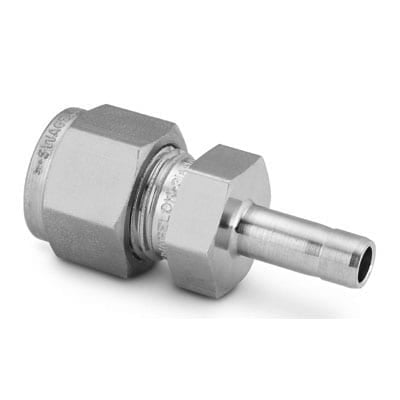
- Swagelok reducers: 9,907 pieces across 94 SKUs
- Stainless tubing: 8,391 pieces across 36 SKUs
That depth is what makes the same-day promise mean anything. When a plant calls at 7 AM, the order ships before lunch.
The rare and discontinued case

The harder problem is the legacy SKU that nobody stocks anymore. A 30-year-old refinery still running on Swagelok fittings from the original 1995 construction phase needs the same ferrule pattern. The new manufacturer revision is not a drop-in.
Collins-Oliver carries one of the deepest inventories of rare and discontinued tube fittings in the country. That niche is what built the business. When the manufacturer says “obsolete,” we usually still have it on the shelf.
What procurement teams should ask
- “How many pieces of [exact SKU] do you have on the shelf today?” Not “do you carry it” — how many.
- “What is the lead time if you don’t have it?” Mill lead times routinely run 8-16 weeks on specialty alloys.
- “Can I get it picked and shipped today if I order in the next hour?” The answer is either yes or no.
- “What is the freight option for an unplanned outage call?” Overnight, second-day, or same-day driver pickup.
- “Do you carry rare and discontinued SKUs from this brand?” Most distributors don’t. The ones that do, advertise it.
Why this matters for the next outage
Every plant maintenance organization has an outage story. The 2 AM call, the missing part, the cascade of decisions about whether to defer, extend, or scramble. The next one is going to happen. The question is whether the distributor on speed-dial is ready for it.
The economics favor a deep-stock relationship. The plant pays a modest premium for guaranteed availability and saves catastrophic costs on the one call that prevents an extended outage.

Need fittings that are actually in stock today? Call Collins-Oliver. 1M+ pieces, 19,000+ part numbers, same-day shipping nationwide. Rare and discontinued specialists.