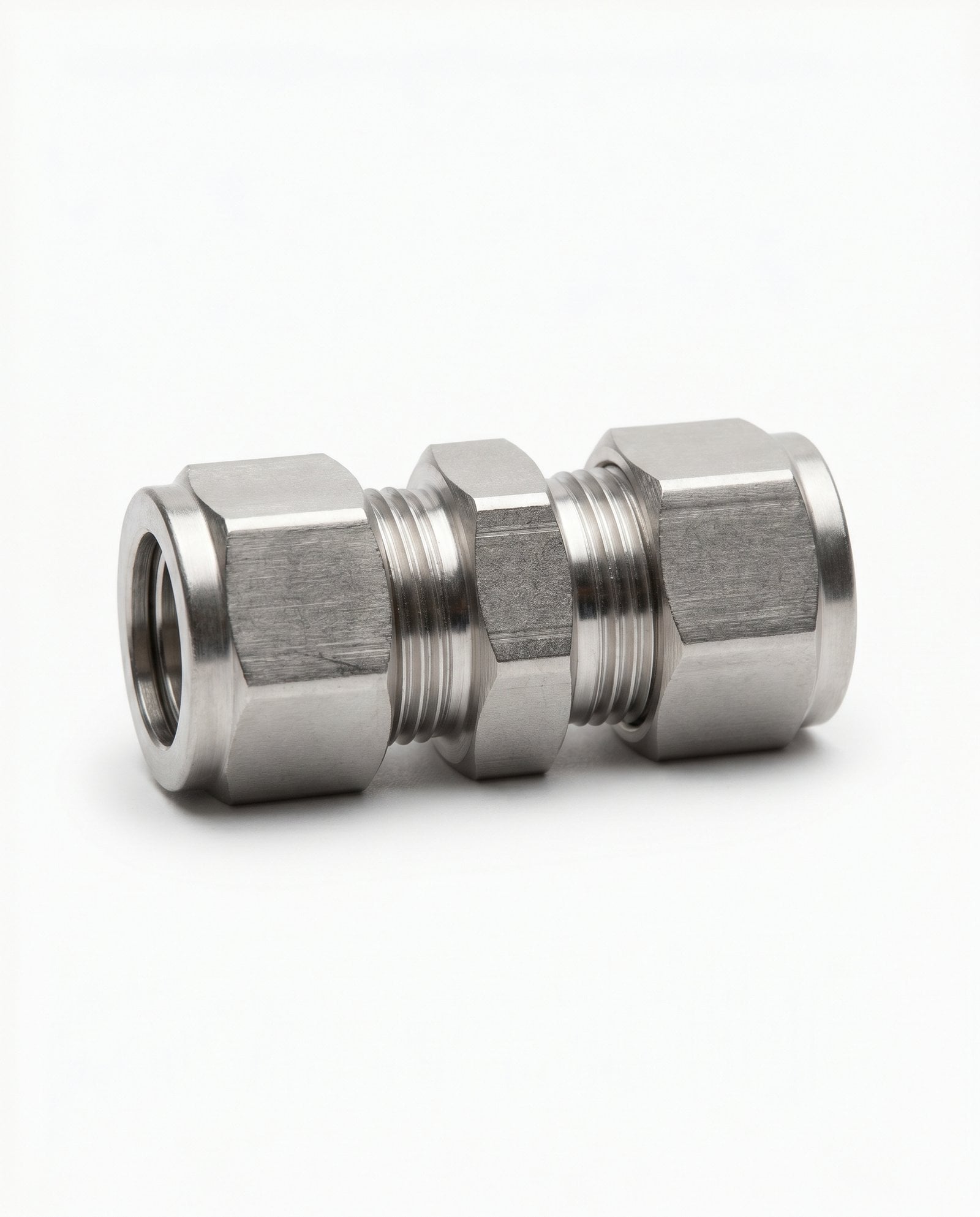
Your instrument runs on 1/4 inch tube, but the process header is 1/2 inch. Now what? You reach for reducing unions and reducers, the tube fittings built to join different tube sizes safely. Force a mismatched tube into the wrong port and you get a leak, a blowout, or a connection that never seals. Choose the right reducer and two tube sizes join with the same leak-tight grip you expect from any quality fitting. This guide shows you how these fittings work, how they differ, and how to pick the one your system needs.
TL;DR
- A reducing union joins two tubes of different outside diameters in a straight line, with its own nut and ferrules on each end.
- A reducer changes size between a tube end and a threaded port, or steps one tube into a fitting sized for another OD.
- A two-ferrule fitting seals with the front ferrule and grips with the back ferrule, so each end holds only the exact tube size it was built for.
- Reducing elbows and tees resize and route flow in one body, which trims leak paths.
- Confirm both tube ODs, end types, material, and pressure rating before you order.
Quick Answer
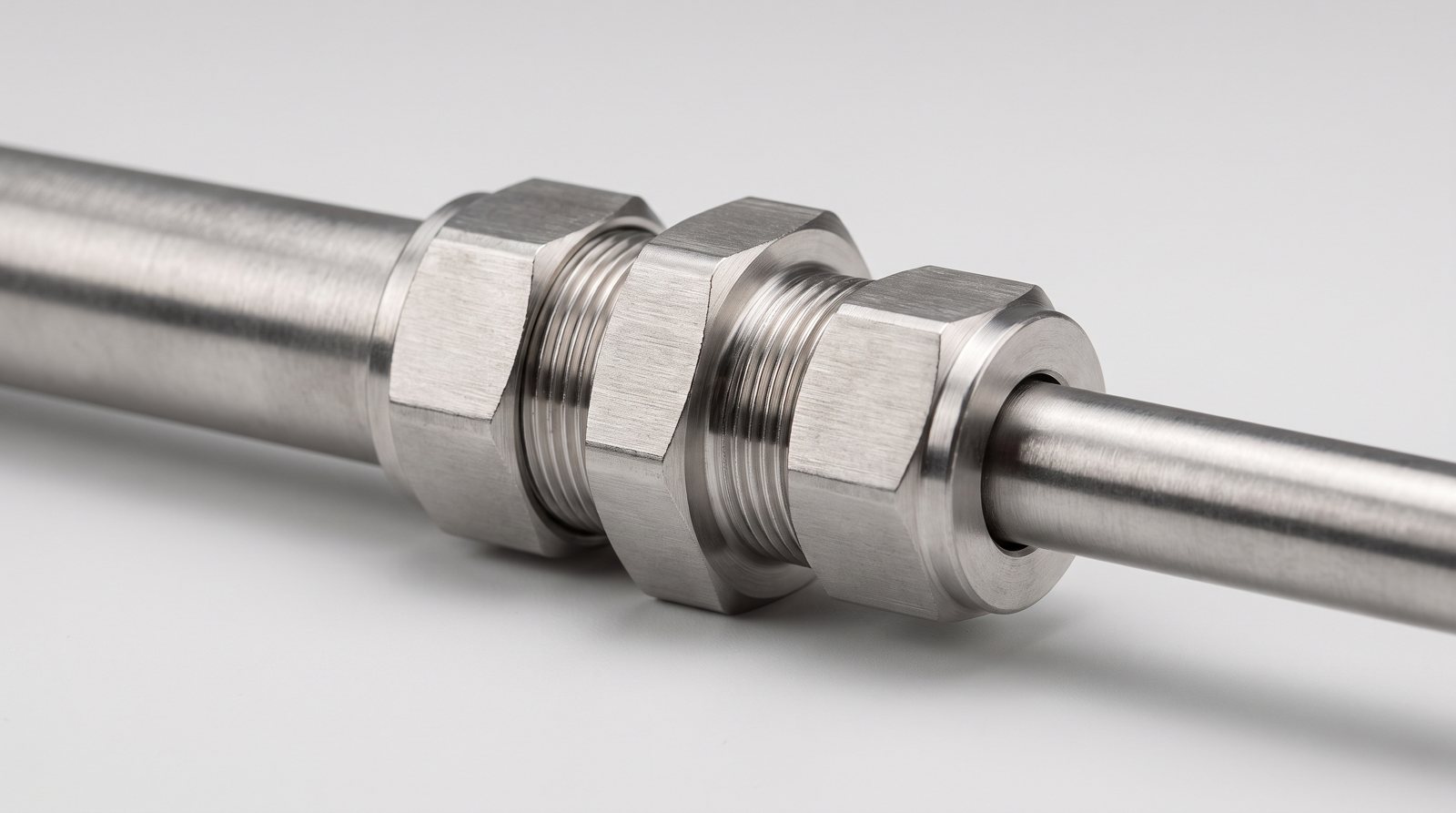
A reducing union connects two different tube sizes end to end, with a separate nut and ferrule set sized for each tube. A reducer instead adapts a tube to a threaded port or steps a tube into a fitting sized for a different OD. Both let you change size without forcing a mismatched tube into the wrong fitting, so every joint seals to the manufacturer standard.
What is a reducing union and how does it work?
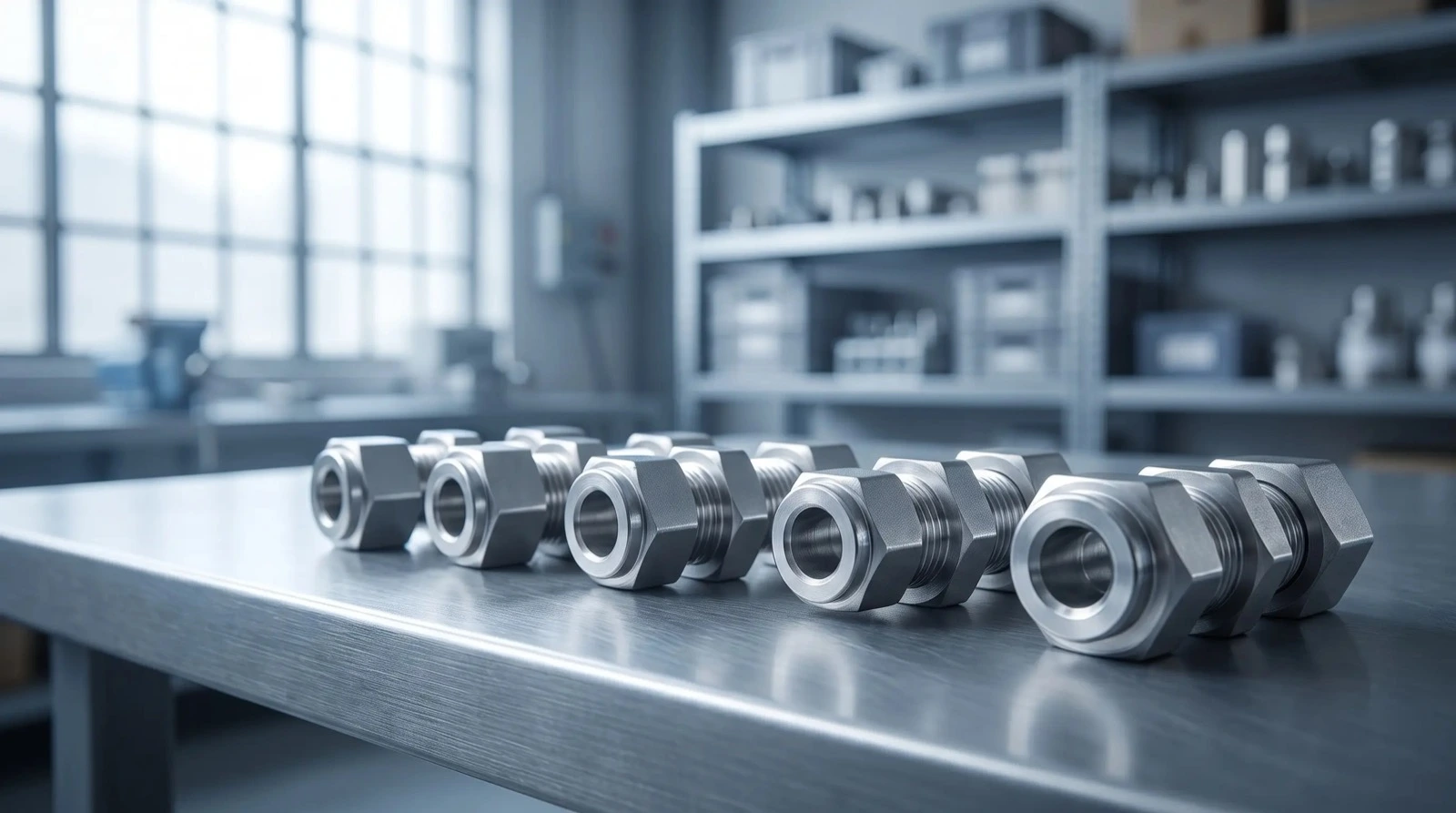
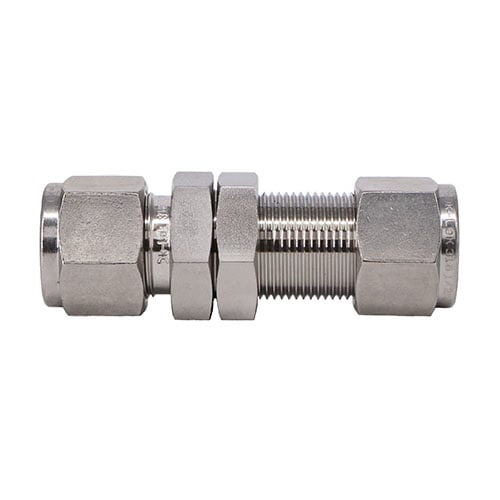
A reducing union connects two tubes of different outside diameters in a straight line. Each end carries its own nut and ferrule set sized for its own tube. Tighten the larger tube on one end and the smaller tube on the other, and the union bridges the two with proper ferrule makeup on each side.
The key point: the union does the size change inside its own body. You do not modify the tube. You do not cram a small tube into a large fitting. Each end grips and seals its matching tube OD, so both connections meet the same standard. That design turns a reducing union into a safe transition instead of a field improvisation.
Collins-Oliver stocks DK-LOK reducing unions as an authorized distributor, so both ends carry the ferrule geometry and tolerances your system demands. In our Baton Rouge warehouse we keep reducing unions in more than 20 size combinations, from 1/8 inch up through 1 inch tube, so your transition ships without a special order.
What is the difference between a reducing union and a reducer?
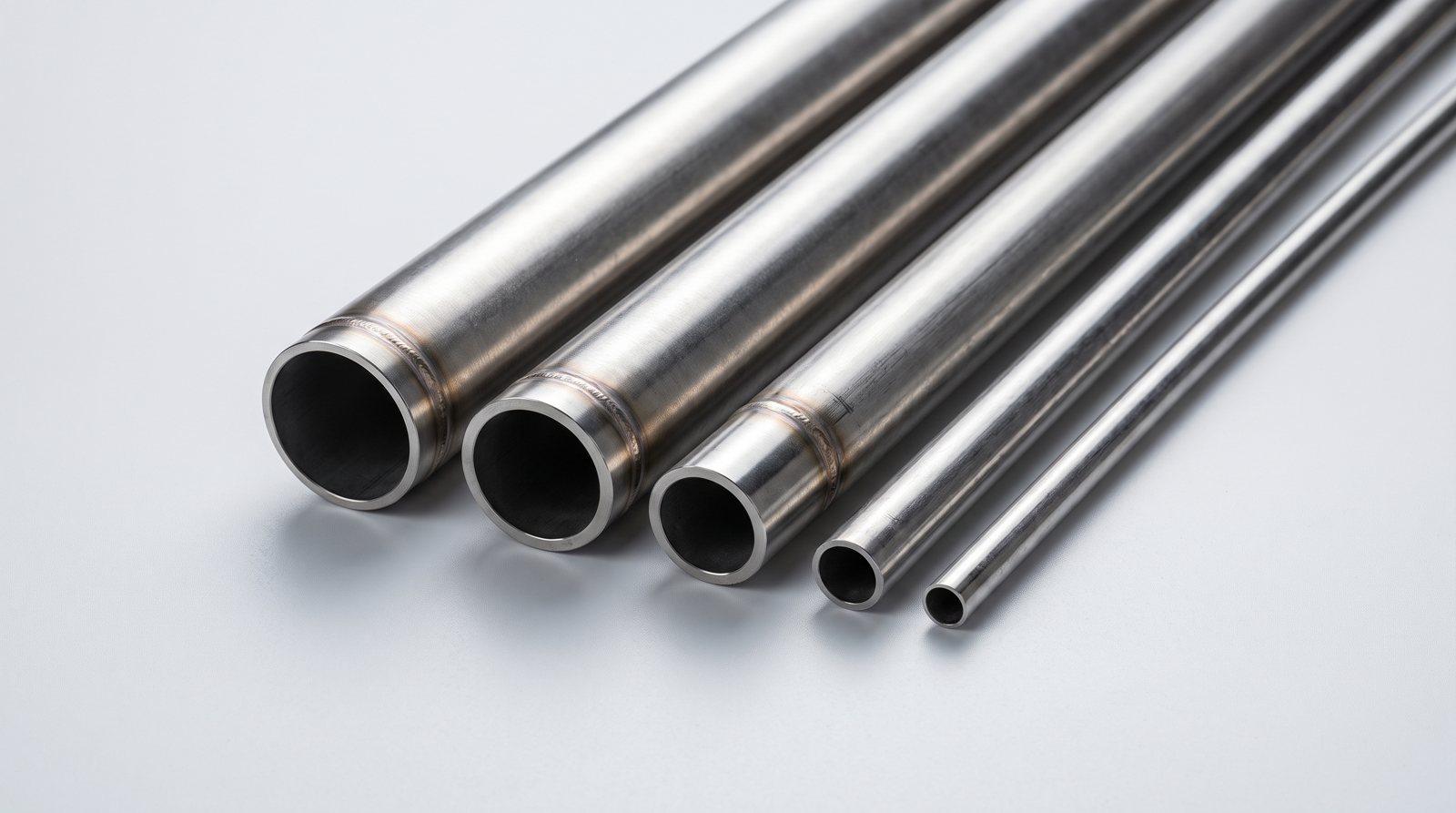
People use the words loosely, so it pays to know the distinction:
- Reducing union. A tube fitting with two tube ends of different sizes, each with its own nut and ferrules. It joins two lengths of tube.
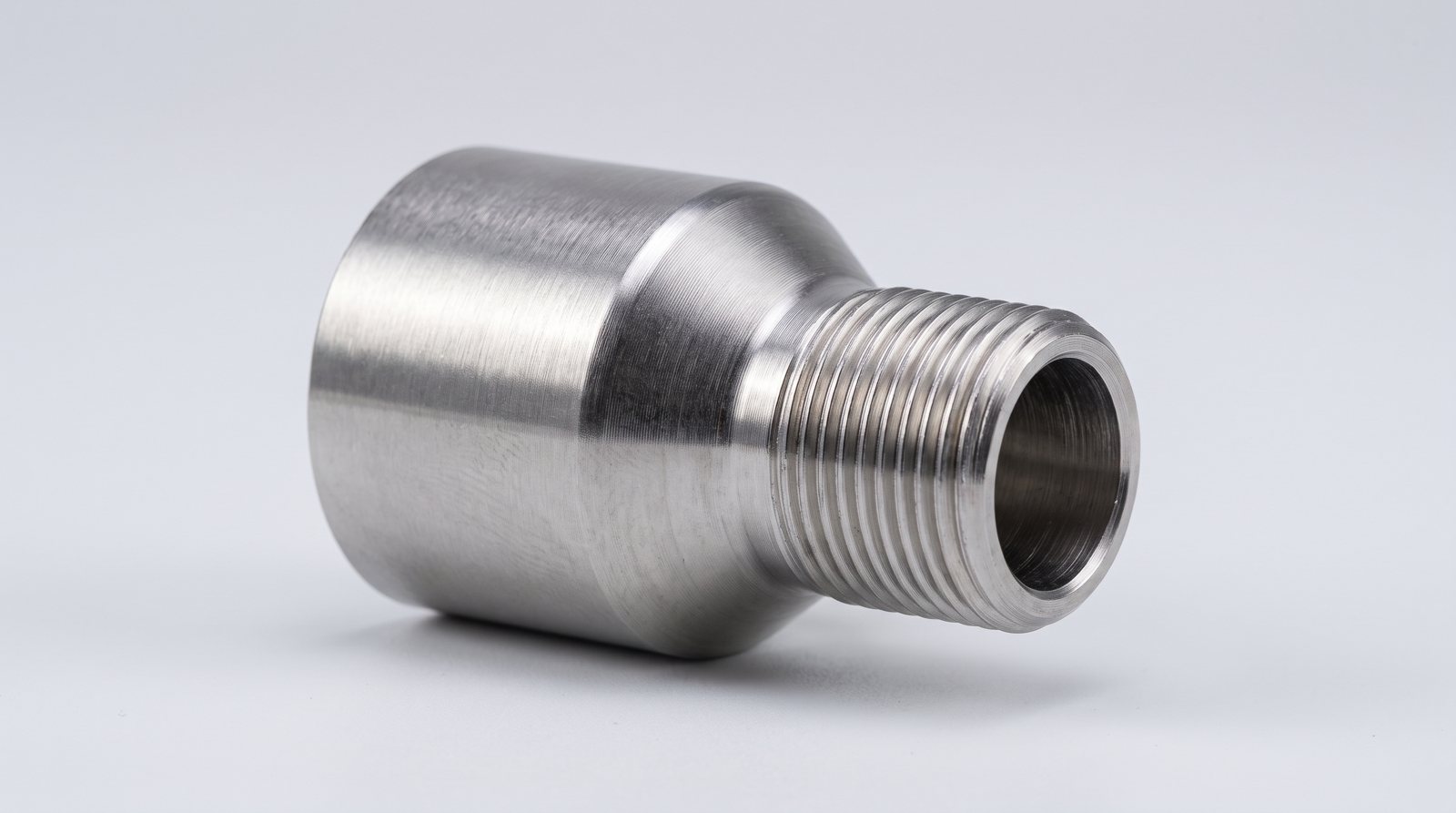
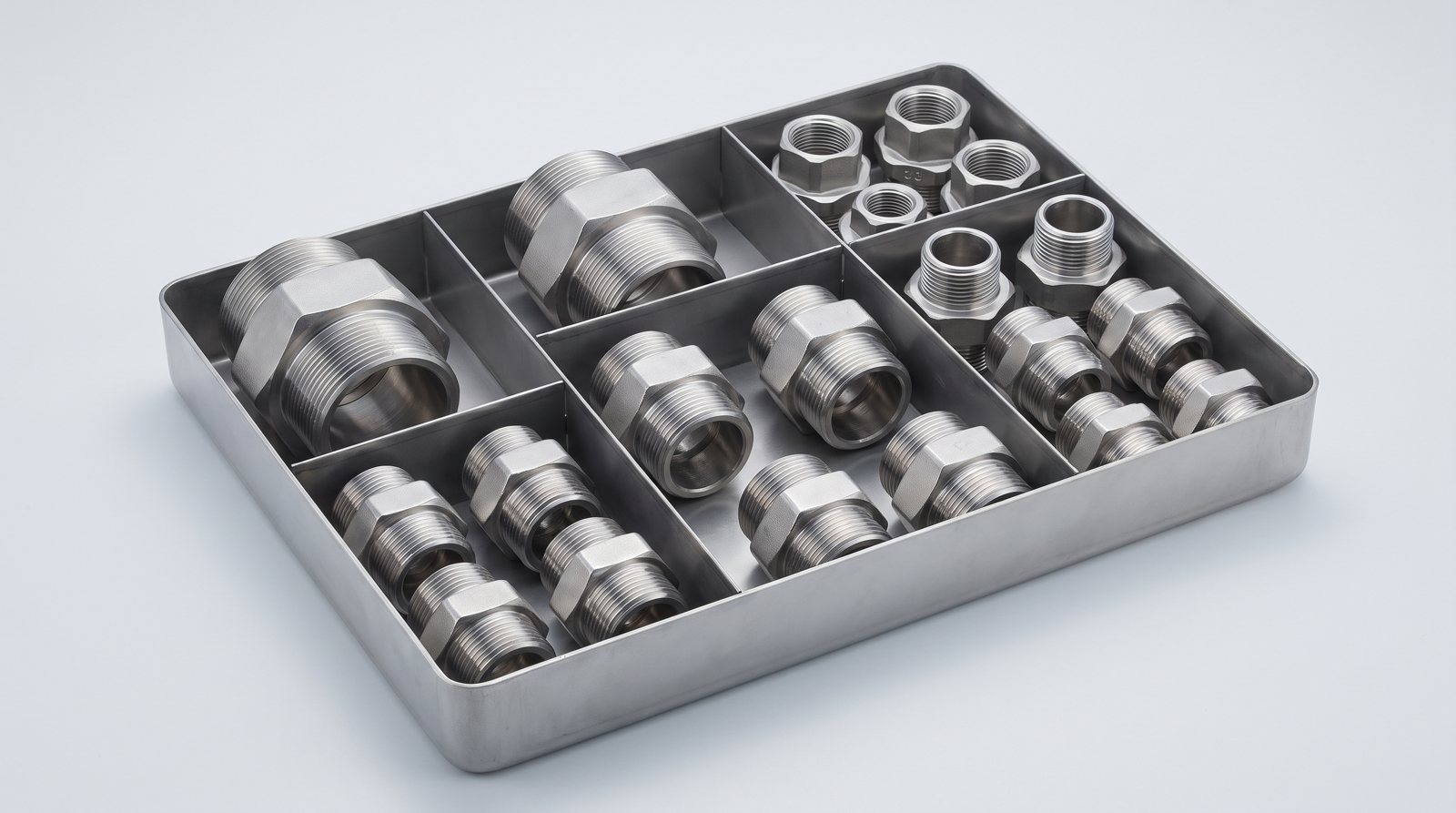
- Reducer (port connector or tube adapter). A component that changes size while it transitions between a tube end and a threaded port, or adapts one tube size into a fitting sized for another. It often installs into a fitting or valve body.
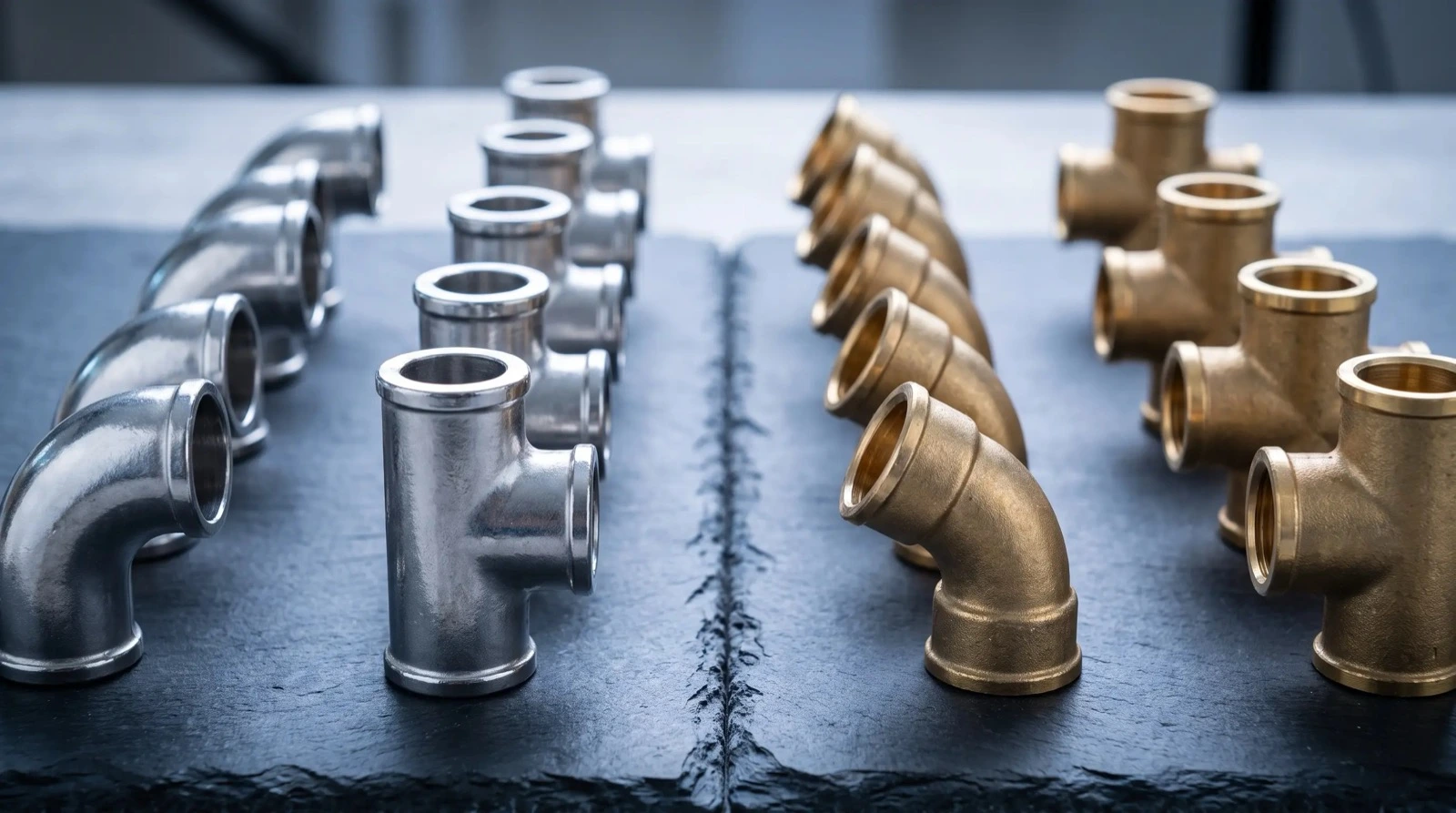
- Reducing fittings. Elbows, tees, and connectors that change size within the same body, so you resize and redirect flow in one part.
The distinction matters because it tells you what each end connects to. A reducing union joins tube to tube. A reducer often joins tube to a port or adapts into another fitting. Confirm the ends you need before you order, and browse the full range on our tube fittings page.
Why should you never force a small tube into a larger fitting?
Because the seal depends on a precise match between the tube OD and the ferrule. A compression fitting grips and seals only when the ferrule closes down on a tube of the exact size it was built for. Put an undersized tube in that fitting and the ferrule will not bite or seal.
Force the mismatch and you invite:
- Leaks, because the ferrule never seals against a wrong-size tube.
- Blowouts, because the grip will not hold the tube under pressure.
- Damaged components, because you deform the ferrule or the tube trying to make it fit.
- Failed inspections, because the joint does not meet the fitting design.
A reducing union or reducer removes the temptation. Each end sees the tube it was built for, so every connection makes up the way the manufacturer intended.
Which reducing fitting fits your layout?
| Your need | Choose |
|---|---|
| Join two different tube sizes in a straight run | Reducing union |
| Change tube size and turn a corner | Reducing elbow |
| Branch a line and change size at the branch | Reducing tee or port reducer |
| Adapt a tube into a threaded port of a different size | Reducer / port connector |
| Step a large tube down into a smaller fitting body | Tube reducer / adapter |
Draw your run, mark where the size changes, then pick the fitting that makes that change at that point. Fewer fittings mean fewer leak paths, so choose a reducing elbow or tee when one part lets you resize and route at the same corner. For port transitions into a gauge or valve body, check our instrumentation pipe fittings.
What should you confirm before you order a reducer?
Get these details right and the fitting drops straight in:
- Both tube ODs. Specify the exact size on each end, not only the larger one.
- End types. Tube ends, threaded ends, or a mix. Confirm whether you need tube-to-tube or tube-to-port.
- Material. Match the reducer to your line, such as 316 stainless for corrosive or high-purity service.
- Pressure and temperature. The reducer must rate to the more demanding side of the transition. Never assume; confirm the rating.
- Flow considerations. A size change alters velocity and pressure drop, so confirm the reduction suits your process.
When a transition sits on a critical line, do not guess. Call Collins-Oliver with both tube sizes and your operating conditions through our contact page, and we confirm the right reducing fitting for your application.
How does the two-ferrule design keep the seal tight?
Modern instrumentation reducers rely on a two-ferrule, mechanical-grip design. The front ferrule creates the seal against the fitting body and on the tube OD. As you turn the nut, the back ferrule drives the front ferrule forward and grips the tube with a strong radial bite. Splitting the seal and the grip into two ferrules lets each one do its job well, which is why these joints hold pressure and shrug off vibration even after you reassemble them.
Makeup is simple and repeatable. For 1/4 inch and larger fittings, you tighten the nut one and one-quarter turns from finger-tight, a standard spelled out in the Swagelok tube fitting instructions. DK-LOK follows the same two-ferrule principle, and you will find the full DK-LOK tube fitting range at dklokusa.com. Because the reducing versions use the identical ferrule set on each end, your size transition seals to the same spec as a straight union.
Frequently Asked Questions
What is a reducing union used for?
A reducing union connects two tubes of different outside diameters in a straight line. Each end has its own nut and ferrules sized for its own tube, so both connections seal correctly without modifying the tubing.
Will a smaller tube seal in a larger fitting?
No. The ferrule seals only against the exact tube size it was built for. An undersized tube will not grip or seal, and it will leak or blow out under pressure. Use a reducing union or a tube reducer instead.
What is the difference between a reducer and a reducing union?
A reducing union joins tube to tube in two different sizes. A reducer changes size while it transitions between a tube end and a threaded port, or adapts a tube into a fitting sized for another OD. Confirm the ends you need.
How does a size change affect flow and pressure rating?
Reducing the line changes flow velocity and pressure drop, and the fitting must rate to the more demanding side of the transition. Confirm both the flow effect and the pressure rating for your service before ordering.
Does Collins-Oliver stock reducing fittings in stainless?
Yes. As an authorized DK-LOK distributor in Baton Rouge, Collins-Oliver stocks reducing unions, reducing elbows and tees, and tube reducers in 316 stainless and other materials, plus Parker, Hoke, SSP, and Hy-Lok lines.
How tight should you make a tube fitting reducer?
For 1/4 inch and larger fittings, tighten the nut one and one-quarter turns past finger-tight. Mark the nut at finger-tight so you hit the correct makeup every time and avoid over- or under-tightening.
Connect Any Tube Size with Collins-Oliver
Bridge your tube sizes the safe way. Collins-Oliver has supplied reducing unions, reducers, and adapters to refineries, chemical plants, and power generators since 1986. As your authorized DK-LOK distributor in Baton Rouge, Louisiana, we match both tube sizes, end types, and ratings to your exact transition. Call (225) 922-9324 or (800) 247-5756 for a quote, and join your lines with confidence.
About Collins-Oliver
Collins-Oliver, Inc. has distributed instrumentation tube fittings, valves, and tubing from Baton Rouge, Louisiana since 1986. As an authorized DK-LOK distributor serving Louisiana refineries and process plants, our team helps you match reducing unions and reducers to your exact tube sizes and service conditions. Call us at (225) 922-9324 for hands-on help with your next transition.