TL;DR
- Oil and gas tube-fitting failures cluster into four root causes: wrong material for sour service, brand-mixed components, vibration fatigue, and over-torque on installation.
- The plant cost of each failure is usually 100-1000x the cost of doing the spec right at procurement.
- NACE MR0175 / ISO 15156 compliance is not optional in sour service. Verify on the mill cert before installation.
- Brand discipline at the ferrule level is the single highest-leverage failure prevention measure.
The four failure patterns that drive most oil-and-gas outages
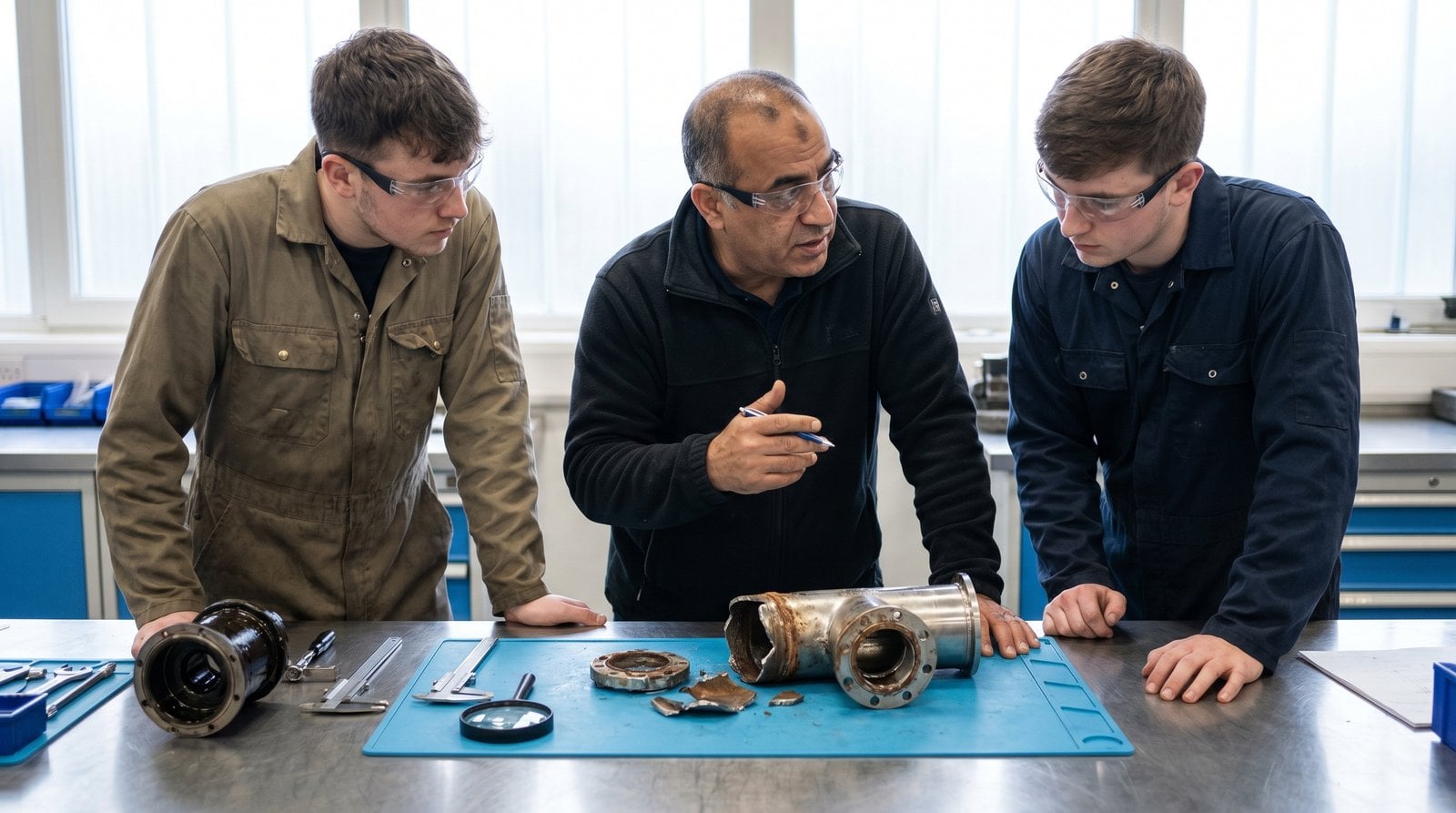
Pull tube-fitting failure reports from a few different oil-and-gas operators and the same patterns repeat. Wrong material for the service. Brand-mixed components on installation. Vibration fatigue on under-supported runs. Over-torque from inexperienced installation. Each one is preventable. Each one shows up over and over.
Root cause 1: Wrong material for sour service
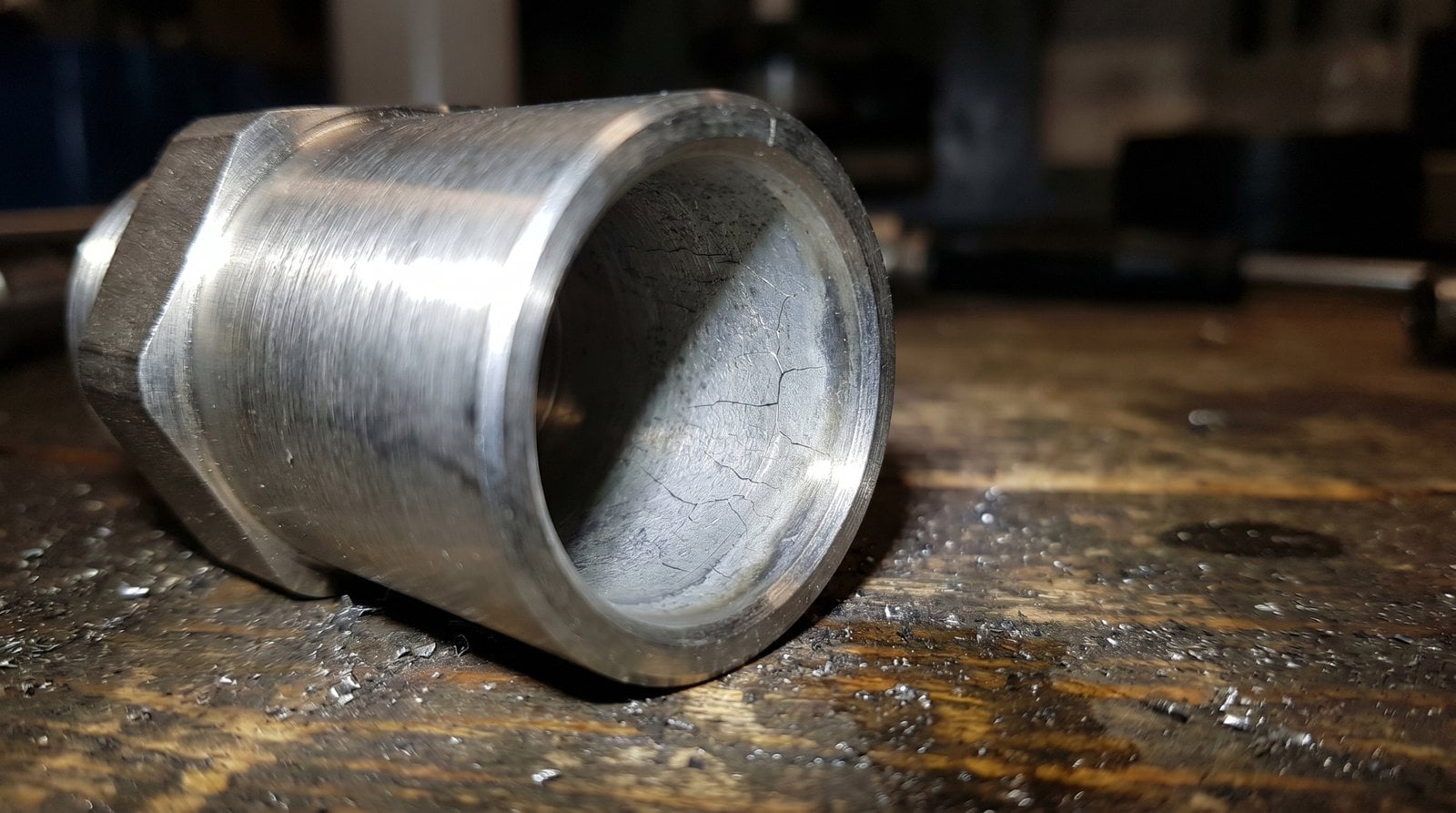
What it looks like: A fitting that has been in service for 6-18 months develops a slow weep, then cracks. Inspection shows hydrogen embrittlement cracking originating at the inside surface.
What went wrong: Standard 316L stainless was specified instead of NACE-certified 316L. Standard 316L often falls outside the NACE hardness limits — the ferrule especially can exceed the maximum allowed hardness for sour service.
The fix: Specify NACE MR0175 / ISO 15156 compliance on the purchase order, with documented hardness on the mill certification. For high H2S partial pressures, step up to Inconel 625 or Hastelloy C-276.
Root cause 2: Brand-mixed components
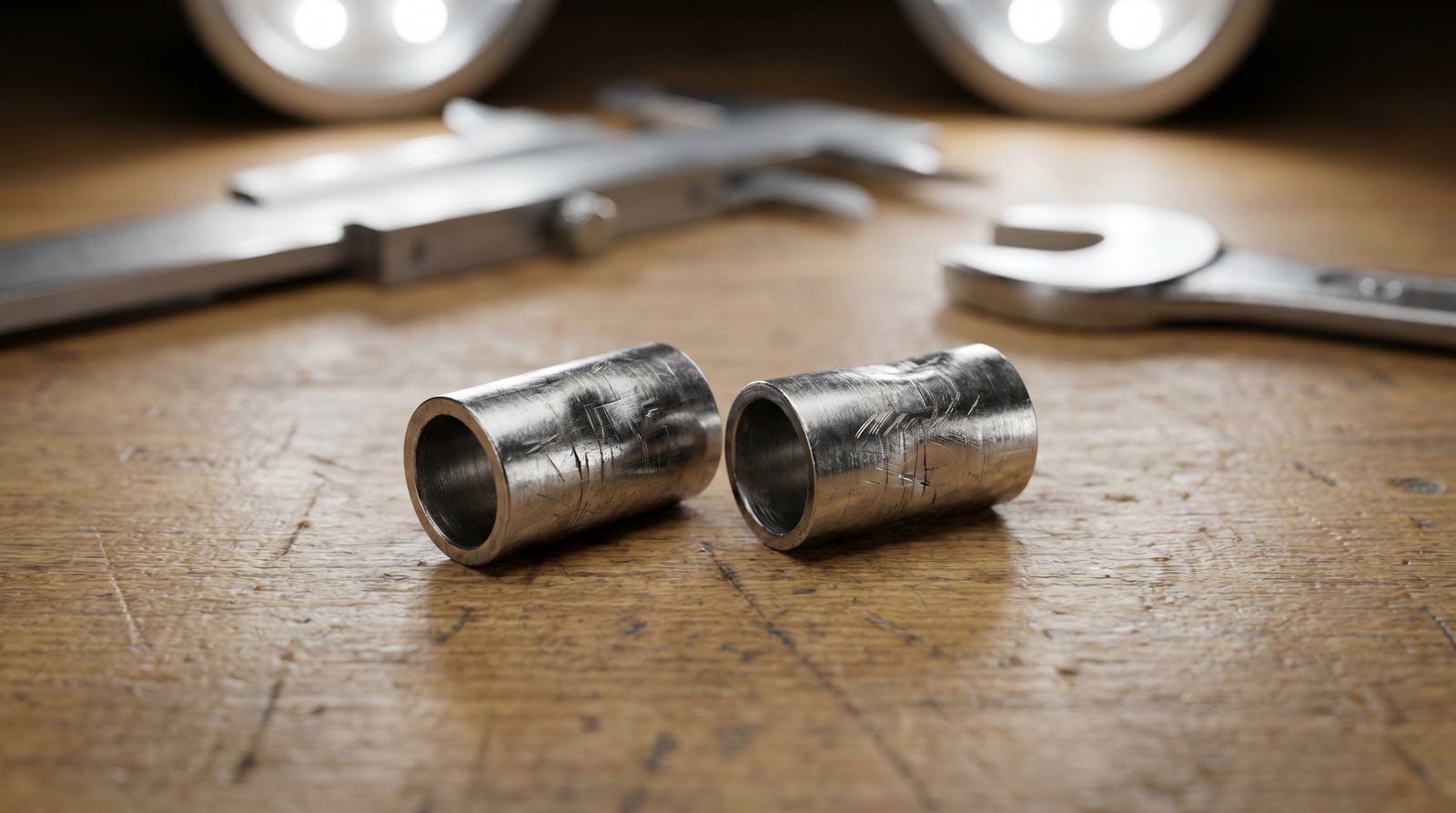
What it looks like: A leak develops at a fitting that just passed pressure test on installation. The leak gets worse with temperature cycling. Disassembly shows mismatched ferrule and body geometry.
What went wrong: The installation pulled a Parker ferrule from one bin and a Swagelok body from another. The geometry difference between brands prevents a proper seal.
The fix: Label all ferrule and body inventory by brand. Audit kits before sending to the field. Brand discipline at the storage level prevents the failure at the installation level.
Root cause 3: Vibration fatigue
What it looks like: A fitting on a pump discharge or a reciprocating compressor instrument line develops a leak after months of service. The tube shows fatigue cracking just upstream of the fitting body.
What went wrong: The tube run was not supported correctly. Vibration concentrated stress at the rigid fitting body, where the tube transitioned from supported to free-flexing.
The fix: Tube clamps every 18-24 inches on vibration-prone runs. Vibration-absorbing supports near reciprocating equipment. Use of high-vibration-rated fittings (e.g., Swagelok VEX series) on the most exposed connections.
Root cause 4: Over-torque on installation
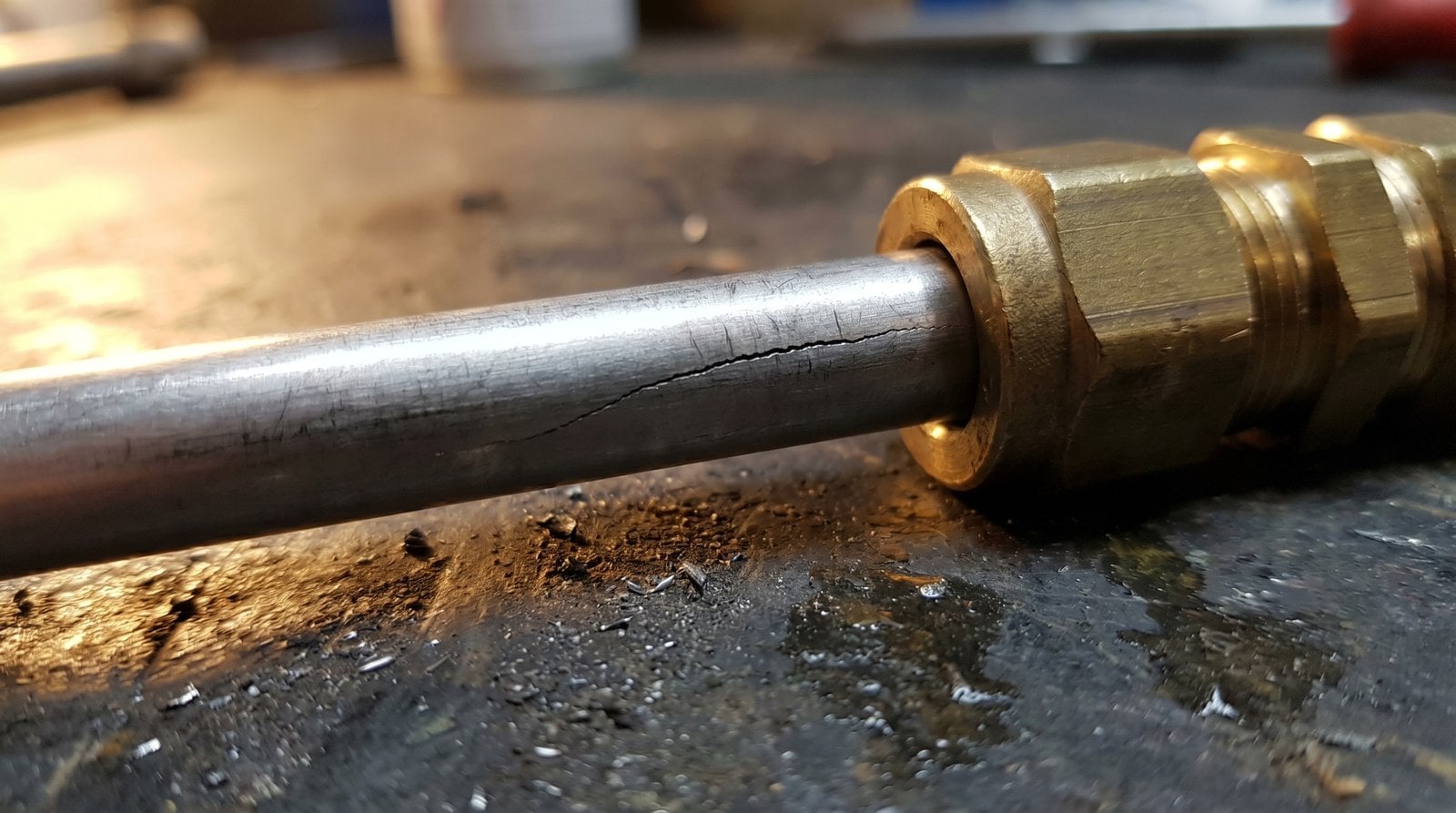
What it looks like: A fitting passes initial pressure test, then leaks under thermal cycling. The tube wall shows excessive deformation under the ferrule. The body shoulder is scored.
What went wrong: The installer torqued the fitting past the published 1-1/4 turns. The ferrule drove past its set point and damaged the tube. The seal formed initially but failed under expansion-contraction.
The fix: Use the published torque specification (1-1/4 turns past finger-tight on first installation). Mark the nut before torque and verify rotation. Use gap-verification tools on critical service.
The procurement angle
Three of the four failure modes have a procurement component. Material specification on the purchase order. Brand discipline at receiving. Vibration-rated fittings on equipment that produces vibration. Get those right at the buying stage and most field failures never happen.
The fourth (over-torque) is an installation-quality issue. The fix is training, torque tools, and verification at acceptance.
Inspection routine that catches the rest
- Visual inspection on every accessible fitting at every turnaround. Look for staining, weeping, body discoloration.
- Pressure test on every disturbed joint after maintenance work.
- Hardness verification on a sample of ferrules from each lot before sour-service installation.
- Tube-support audit on vibration-prone runs every 24 months.
- Cycle count tracking on high-frequency reassembly joints.
What the operations team can do
The operations team usually inherits the spec choices made at engineering and procurement. The lever they have is reporting: every fitting failure gets documented, root cause gets identified, and the lesson feeds back into the next purchase order. Most operations teams do half of this and stop. The full loop is what prevents the next failure.
What the engineering team can do
At the design stage, the engineering team has the most leverage: alloy selection, brand specification, tube support strategy, and vibration handling. Mistakes locked in at design cost the most to fix downstream.

Need oil-and-gas tube fittings specified correctly the first time? Read the oil-and-gas resource guide or call Collins-Oliver. NACE-certified materials, Inconel and Duplex coverage, same-day shipping nationwide.