by mark@spectralvision.media | May 14, 2026
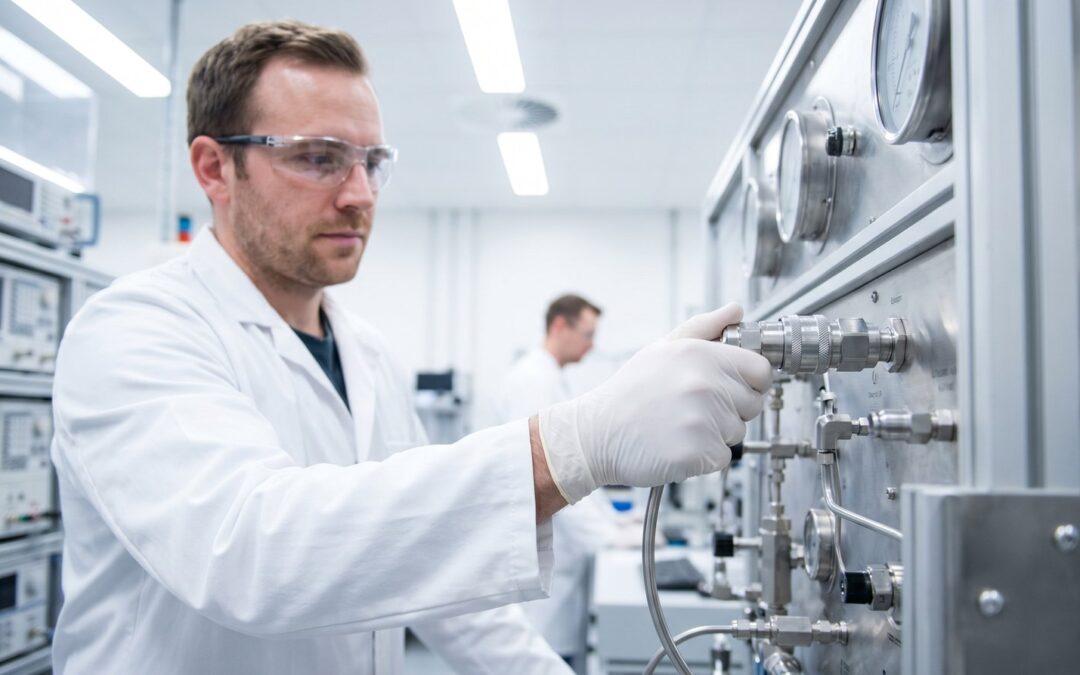
TL;DR Quick-connect tube fittings let you make and break a line in seconds without tools. Two main families dominate industrial work: dry-disconnect couplings (zero spillage) and shut-off couplings (auto-seal both sides). Swagelok carries the broadest stainless...
by mark@spectralvision.media | May 14, 2026
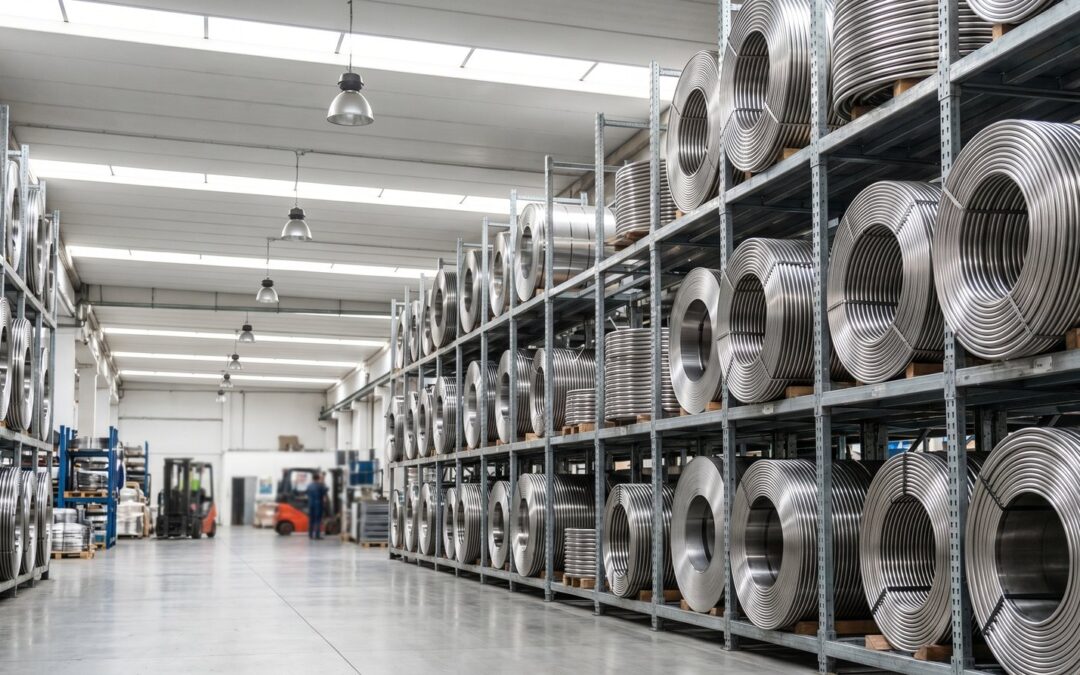
TL;DR 304 stainless covers general-service tubing. 316 and 316L step up corrosion resistance for chemical and marine environments. 316L has lower carbon than 316 — the L grade is mandatory for welded and high-temperature service to prevent chromium-carbide...
by mark@spectralvision.media | May 14, 2026
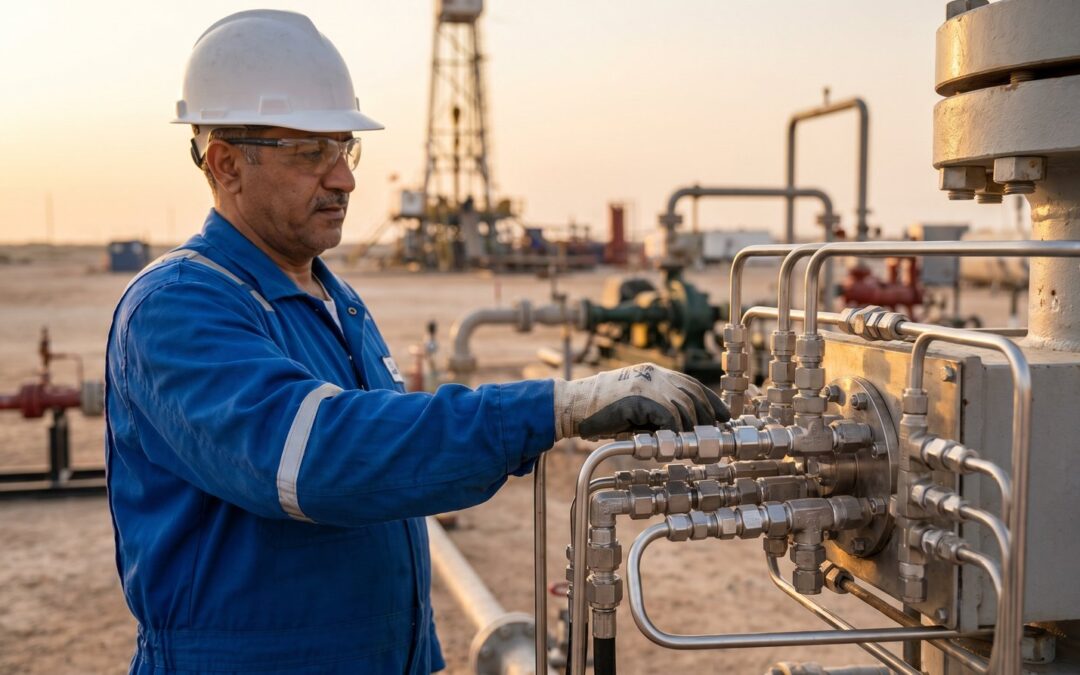
TL;DR Oil and gas service runs tube fittings hard: hydrogen sulfide exposure, high-pressure hydraulic control lines, instrument process taps, and offshore corrosion-resistant runs. NACE MR0175 / ISO 15156 governs sour-service material selection. Specify the certified...
by mark@spectralvision.media | May 14, 2026
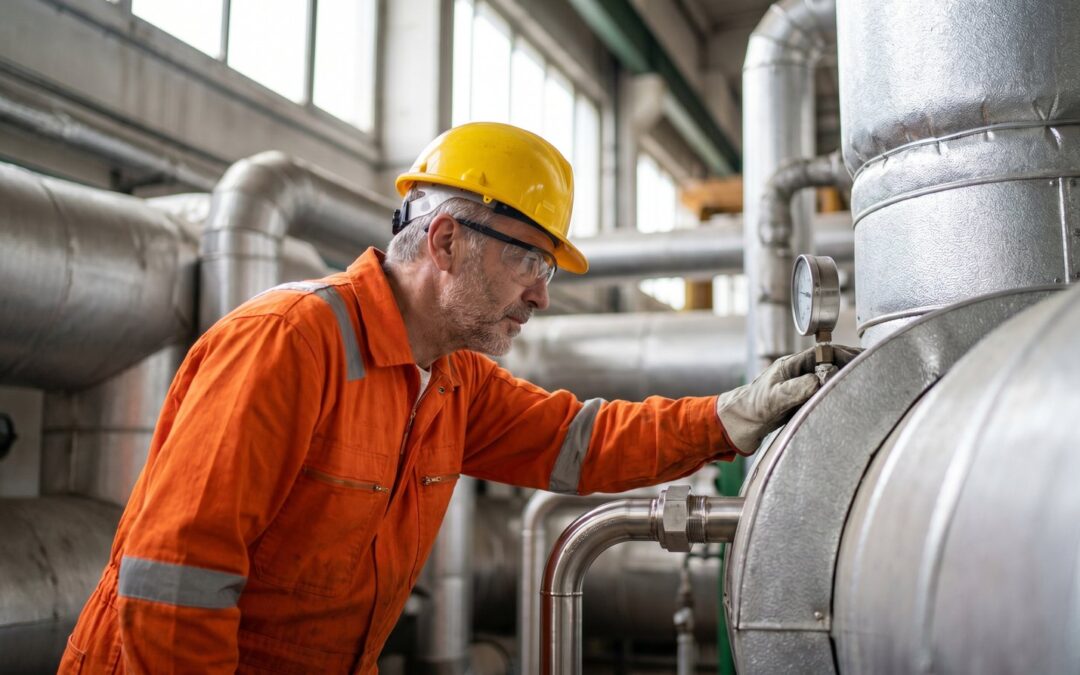
TL;DR Power generation runs tube fittings on instrument lines around boilers, turbines, condensers, and steam piping — pressure to 4,500 psi, temperature to 1,200°F. 316L stainless covers most water and steam service. Inconel 600, Inconel 625, and 321 stainless handle...
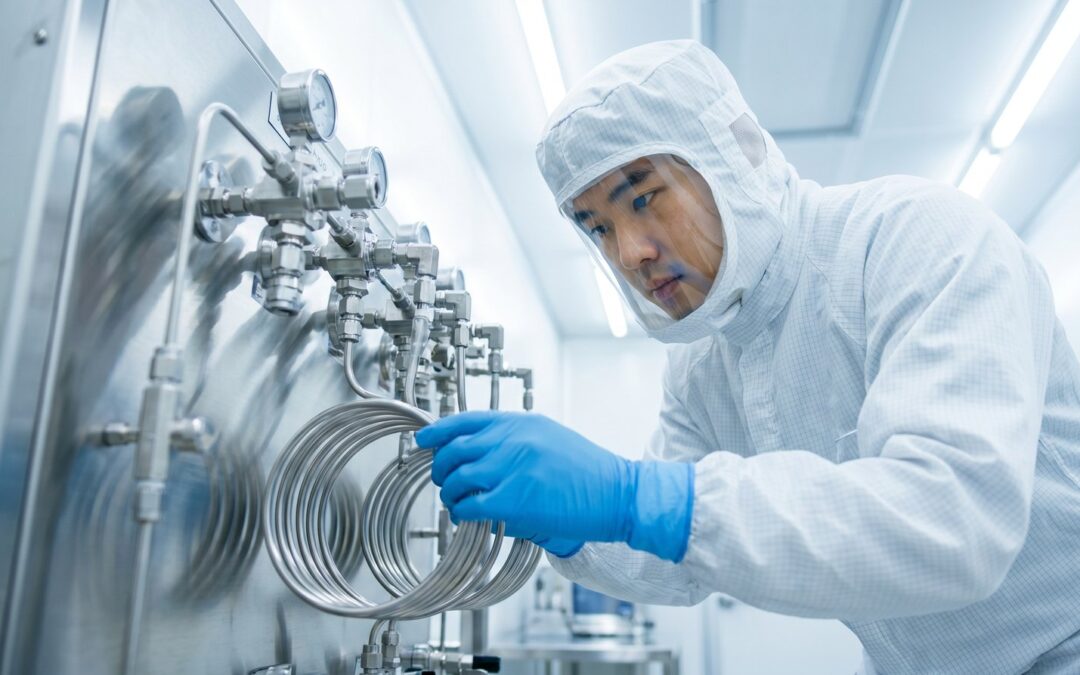
by mark@spectralvision.media | May 14, 2026
TL;DR Semiconductor fabs run on ultra-high-purity gas delivery. The fittings that connect those lines must contribute zero particulates and zero outgassing. VCR (metal gasket face seal) and VCO (o-ring face seal) dominate UHP service. Both are designed to leak rates...
