
TL;DR
- 316 and 316L are the default instrumentation grades; 316L lowers carbon for welding.
- Super duplex resists chloride pitting and stress-corrosion far better than 316.
- Alloy 20 is chosen for sulfuric acid and aggressive chemical service.
- Match the grade to the fluid, temperature, and chloride level; call for uncertain service.
The alloy you choose decides whether a fitting lasts twenty years or pits out in one turnaround. This guide to stainless steel grades for fittings puts the four you meet most in instrumentation side by side: 316, 316L, super duplex, and Alloy 20. Each one answers a different corrosion problem. Pick by your media, your chlorides, your temperature, and your budget. Below you get the compositions, the corrosion story, and a decision path. When your service is aggressive or you are unsure, call for your application.
What Is the Difference Between 316 and 316L?
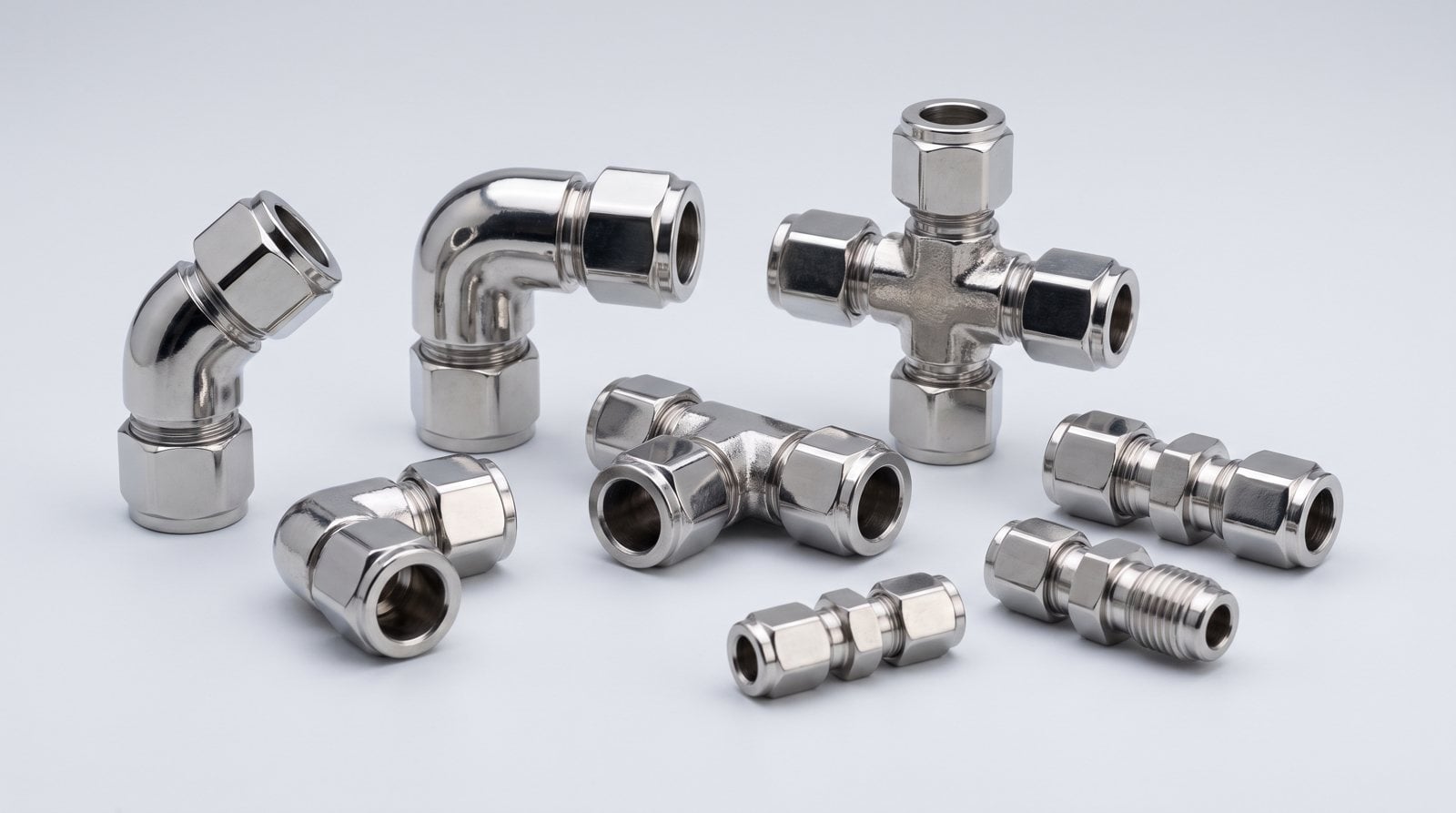
316 and 316L share the same base recipe. Both are austenitic stainless with roughly 16 to 18 percent chromium, 10 to 14 percent nickel, and 2 to 3 percent molybdenum. That molybdenum is what lifts them above 304 for chloride and pitting resistance, which is why 316 is the default for instrumentation. The one real difference is carbon. Standard 316 allows up to 0.08 percent carbon. The "L" in 316L means low carbon, capped at 0.030 percent. Lower carbon matters when you weld. It resists the carbide precipitation (sensitization) that robs corrosion resistance in the heat-affected zone. Most modern fittings ship dual-certified as 316/316L, so one part meets both.
| Property | 316 | 316L |
|---|---|---|
| Max carbon | 0.08% | 0.030% |
| Chromium | 16 to 18% | 16 to 18% |
| Nickel | 10 to 14% | 10 to 14% |
| Molybdenum | 2 to 3% | 2 to 3% |
| Weldability | Good | Better (resists sensitization) |
| Typical use | General instrumentation | Welded assemblies, corrosive service |
When Do You Need Super Duplex Instead of 316?
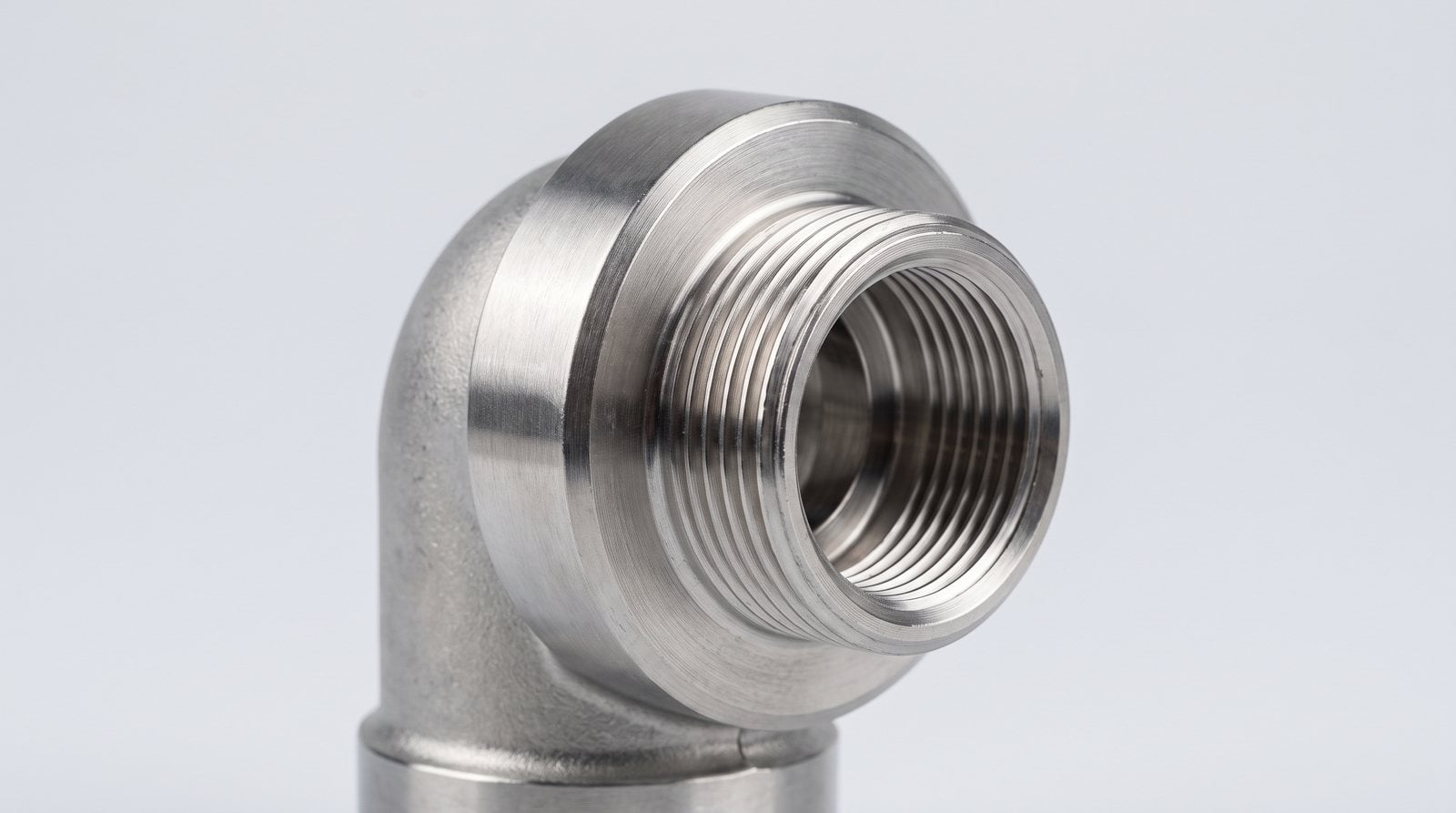
You step up to super duplex when chlorides overwhelm 316. Super duplex grades such as 2507 (UNS S32750) run a two-phase austenitic-ferritic structure with roughly 25 percent chromium, about 7 percent nickel, near 4 percent molybdenum, and added nitrogen. That chemistry does two things. It roughly doubles the yield strength of 316, so you can run thinner walls at higher pressure. And it pushes the pitting resistance far past 316. The common yardstick is PREN, the pitting resistance equivalent number, calculated as %Cr plus 3.3 times %Mo plus 16 times %N. 316 sits around 24 to 25. Super duplex clears 40. For seawater, offshore, produced water, and high-chloride brines, super duplex earns its higher cost.
When Do You Need Alloy 20?
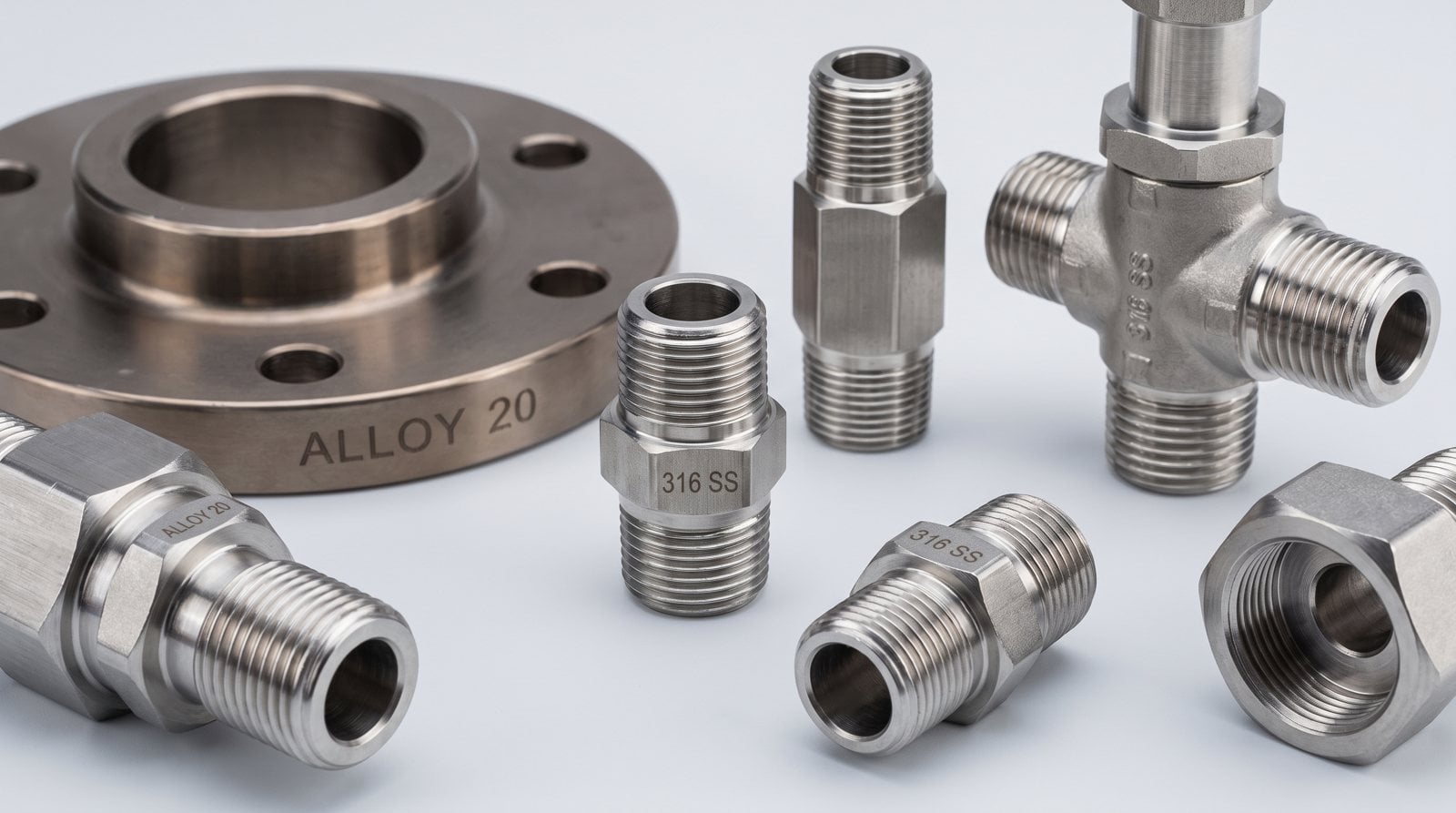
Alloy 20 (Carpenter 20, UNS N08020) exists for one enemy: sulfuric acid. It is a nickel-iron-chromium alloy with about 34 percent nickel, 20 percent chromium, 2.5 percent molybdenum, and a copper addition near 3.5 percent. That copper is the key. It gives Alloy 20 standout resistance to hot sulfuric acid across a wide concentration range, along with strong resistance to stress-corrosion cracking that can crack standard austenitics. If you handle sulfuric acid, certain phosphoric acid streams, or pickling service, Alloy 20 outlasts 316 by a wide margin. For most other media it is more alloy than you need.
How Do the Four Grades Compare?
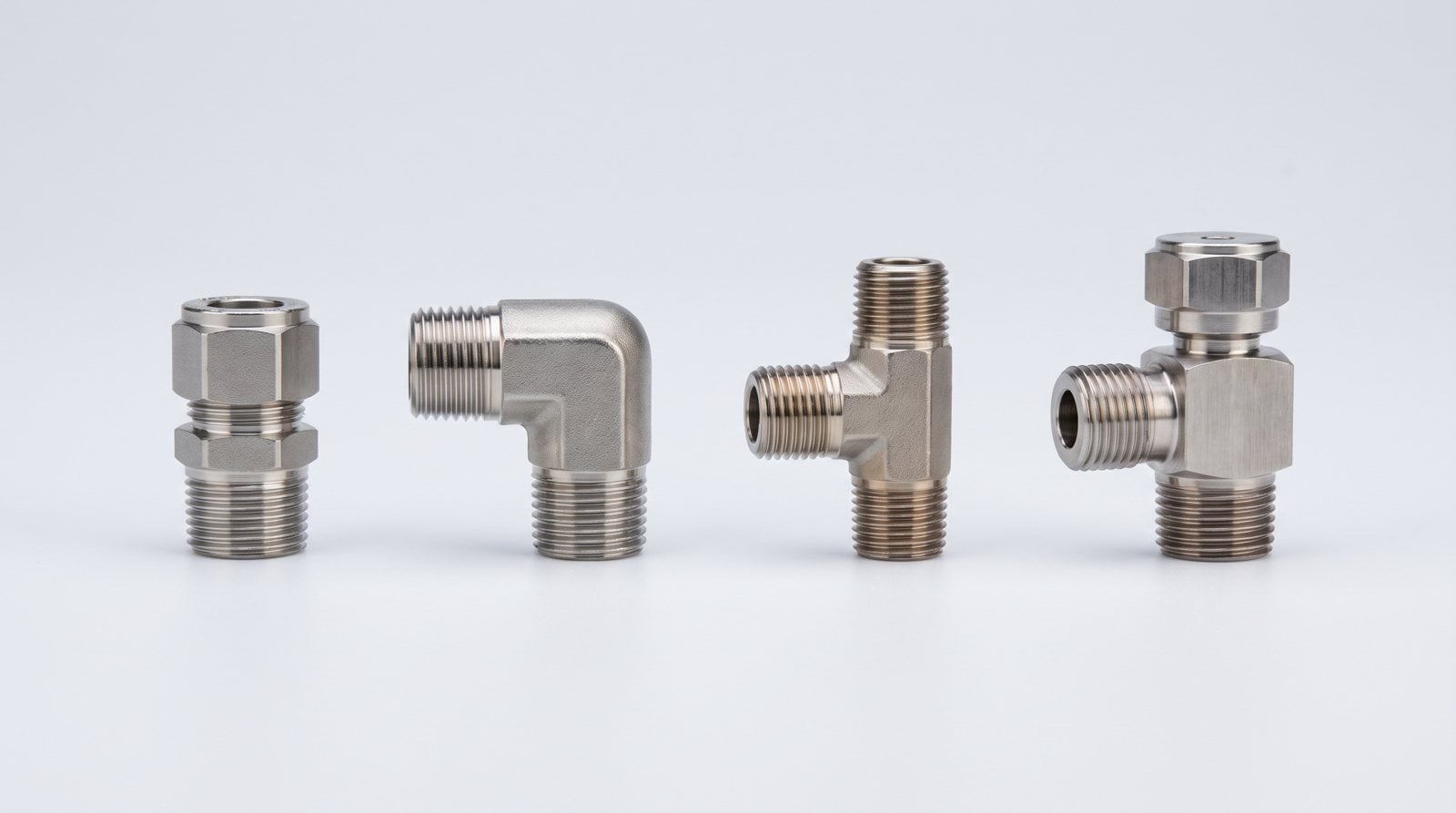
| Grade | Standout strength | Approx. PREN | Best service |
|---|---|---|---|
| 316 | All-round corrosion, low cost | ~24 to 25 | General instrumentation, refinery utility |
| 316L | Weldable version of 316 | ~24 to 25 | Welded systems, corrosive process |
| Super duplex | Chloride and pitting resistance, high strength | >40 | Seawater, offshore, high-chloride brine |
| Alloy 20 | Sulfuric acid resistance | Varies by product form | Sulfuric acid, pickling, aggressive acids |
PREN figures are approximate and depend on the exact heat and product form. Use them to rank grades, not as a guarantee. Verify the certified chemistry for a critical service.
How Do You Pick the Right Grade?
Work through it in order. Start with 316/316L. It handles the bulk of refinery and instrumentation service at the best price. If your media carries high chlorides, salt water, or runs hot enough to pit 316, move up to super duplex and gain strength as a bonus. If your enemy is sulfuric acid or a similar aggressive acid, go straight to Alloy 20. Match the fitting alloy to the tube and the valve so you never build a galvanic mismatch into the loop. When two grades look close, send us the media, temperature, chloride level, and pressure, and we confirm the grade for your application.
What Else Affects Corrosion Beyond the Grade?
The grade on the certificate is the start, not the whole story. Temperature swings the picture, because a grade that shrugs off a media cold can pit in the same media hot. Chloride concentration drives pitting and crevice attack more than almost anything else, so a small rise in chlorides can push you a grade higher. Surface finish matters too. A smooth, passivated surface resists attack better than a rough one that traps deposits. And a galvanic pairing of two mismatched metals can corrode the weaker one fast. Spec the alloy for the worst case your fitting sees, not the average day. When the service runs hot, salty, or cyclic, tell us the full picture and we confirm the grade.
For related products, browse our stainless steel fittings or explore more in our resource library.
Frequently Asked Questions
Is 316L stronger than 316?
No. 316L has slightly lower strength because of its lower carbon. Its advantage is weldability, resisting the sensitization that harms corrosion resistance near welds.
What does PREN tell me?
PREN, the pitting resistance equivalent number, ranks how well an alloy resists chloride pitting. Higher is better. 316 sits near 24 to 25 and super duplex clears 40.
Can I mix 316 fittings with duplex tube?
Do it only with care. Mismatched alloys can create galvanic or strength mismatches. Match the fitting, tube, and valve grade for a critical service, and verify with us.
Why does Alloy 20 resist sulfuric acid so well?
Its copper and high nickel content give it strong resistance to sulfuric acid and to stress-corrosion cracking that can crack standard austenitic stainless.
Is super duplex worth the extra cost?
For high-chloride, seawater, or offshore service, yes. It resists pitting far better than 316 and its higher strength can allow thinner walls. For mild service, 316 is enough.
Spec the Right Alloy with Collins-Oliver
Collins-Oliver is your authorized DK-LOK distributor in Baton Rouge, stocking 316/316L fittings and sourcing super duplex, Alloy 20, and other alloys for refineries, chemical plants, and power generation since 1986. Send us your media, chlorides, temperature, and pressure, and we match the grade. Call (225) 922-9324 or (800) 247-5756, or email info@collins-oliver.com for a quote.