
TL;DR
- Tubing quality decides whether a fitting seals; order fully annealed, fitting-grade tube.
- Seamless resists pressure better; welded-and-drawn is economical for lower pressure.
- Wall thickness sets the pressure rating and must suit the tube OD.
- Hardness must stay soft enough (ASTM A269/A213) for the ferrules to grip.
Tubing selection for instrumentation decides whether your tube fittings seal for years or leak on the first pressure test. The fitting is only half the joint. The tube is the other half, and the wrong tube ruins a perfect fitting. This reference walks you through seamless versus welded tube, wall thickness, hardness, and material grade so you buy tube that grips, bends, and holds. Get the tube right and the connection takes care of itself. When you need it, Collins-Oliver stocks the tube and the fittings together.
Why Does Tubing Quality Decide Fitting Performance?
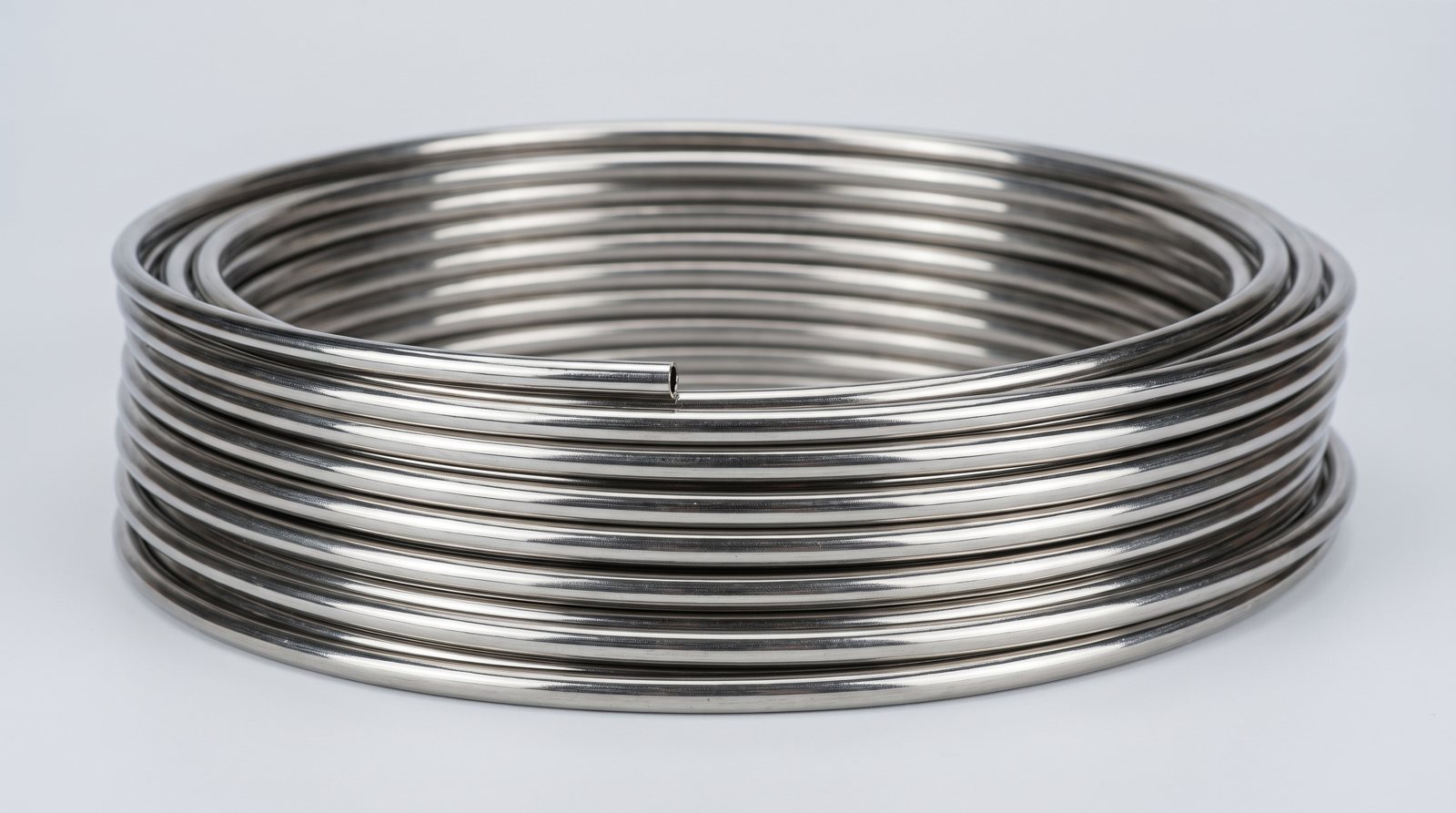
An instrumentation tube fitting seals by biting a ferrule into the tube surface. That bite needs a tube that is round, smooth, correctly sized, and soft enough to swage but hard enough to hold. Oversize, out-of-round, scratched, or too-hard tube fights the ferrule and leaks. So tube quality is not a detail. It is the foundation of every gaugeable connection on your panel.
Seamless vs Welded Tubing: Which Should You Choose?
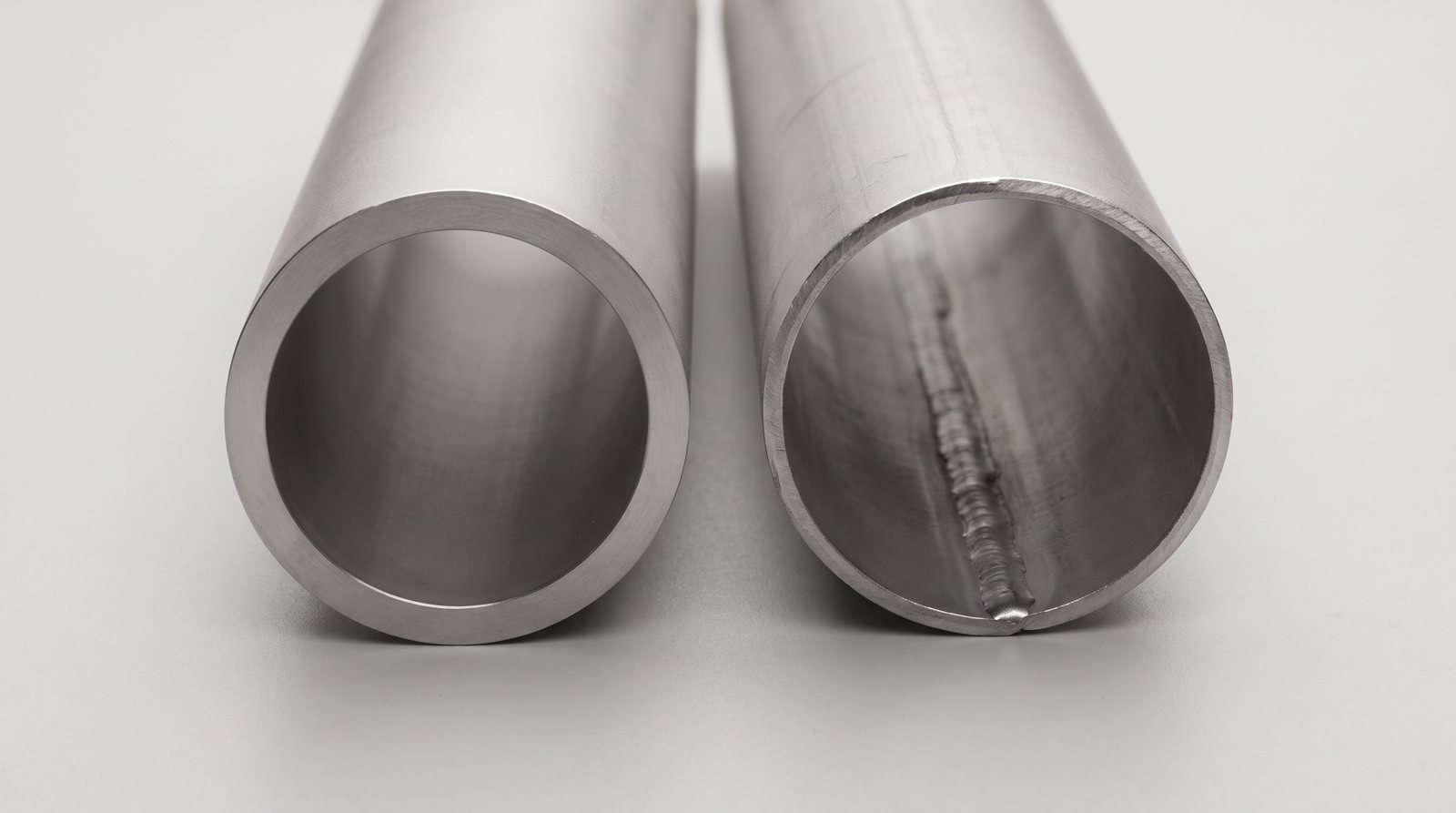
Both seamless and welded tube serve instrumentation, and both appear in ASTM A269, the general-service austenitic stainless tubing spec. The choice comes down to your pressure, your budget, and your inspection appetite.
| Factor | Seamless tubing | Welded tubing |
|---|---|---|
| How it is made | Extruded/drawn from solid billet, no seam | Strip rolled and fusion welded, then drawn |
| Weld line | None | One longitudinal weld |
| Pressure duty | Higher, no weak seam | Good; often welded-and-drawn for strength |
| Consistency | Can vary more in wall/OD | Very uniform OD and wall |
| Cost | Higher | Lower |
| Best for | High-pressure and critical service | General instrument and utility lines |
Seamless wins where pressure runs high and you cannot risk a seam. Welded-and-drawn tube, cold-worked after welding, gives you tight tolerances and lower cost for the bulk of instrument air, sample, and utility lines. Many plants standardize on high-quality welded-and-drawn 316 for most work and reserve seamless for the hardest duty. Confirm the class your line class requires.
What Wall Thickness Do You Need?
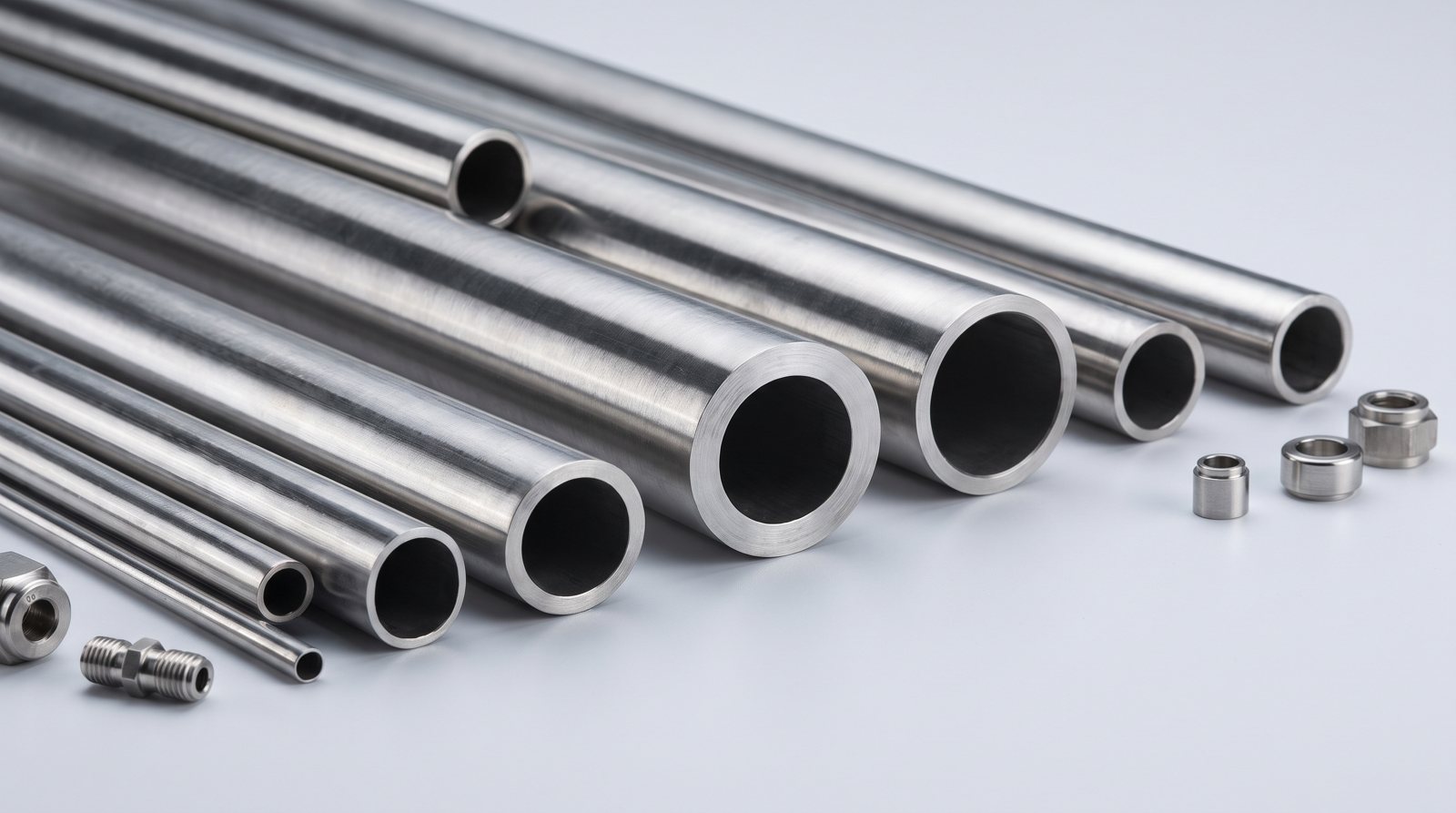
Wall thickness sets the pressure rating and the bendability of your tube. Thicker wall holds more pressure but bends harder and needs more ferrule force. Thinner wall bends easily and flares clean but tops out at lower pressure. Size the wall to your working pressure with a safety margin, using the manufacturer allowable-pressure tables for your exact OD, wall, and material.
- Match wall to pressure: read the maker's pressure table for your OD and wall, then add margin.
- Mind the minimum: too thin, and the ferrule can crush or the tube can collapse on a bend.
- Mind the maximum: too thick for the fitting series, and the ferrule cannot swage properly.
- Check the fitting range: every tube fitting series lists an allowable wall range per tube size. Stay inside it.
Common instrument tube runs 1/8 in. through 1 in. OD with walls chosen from the pressure table. Do not guess the wall. Pull the number from the rating table or call for your application.
How Hard Should Instrumentation Tubing Be?
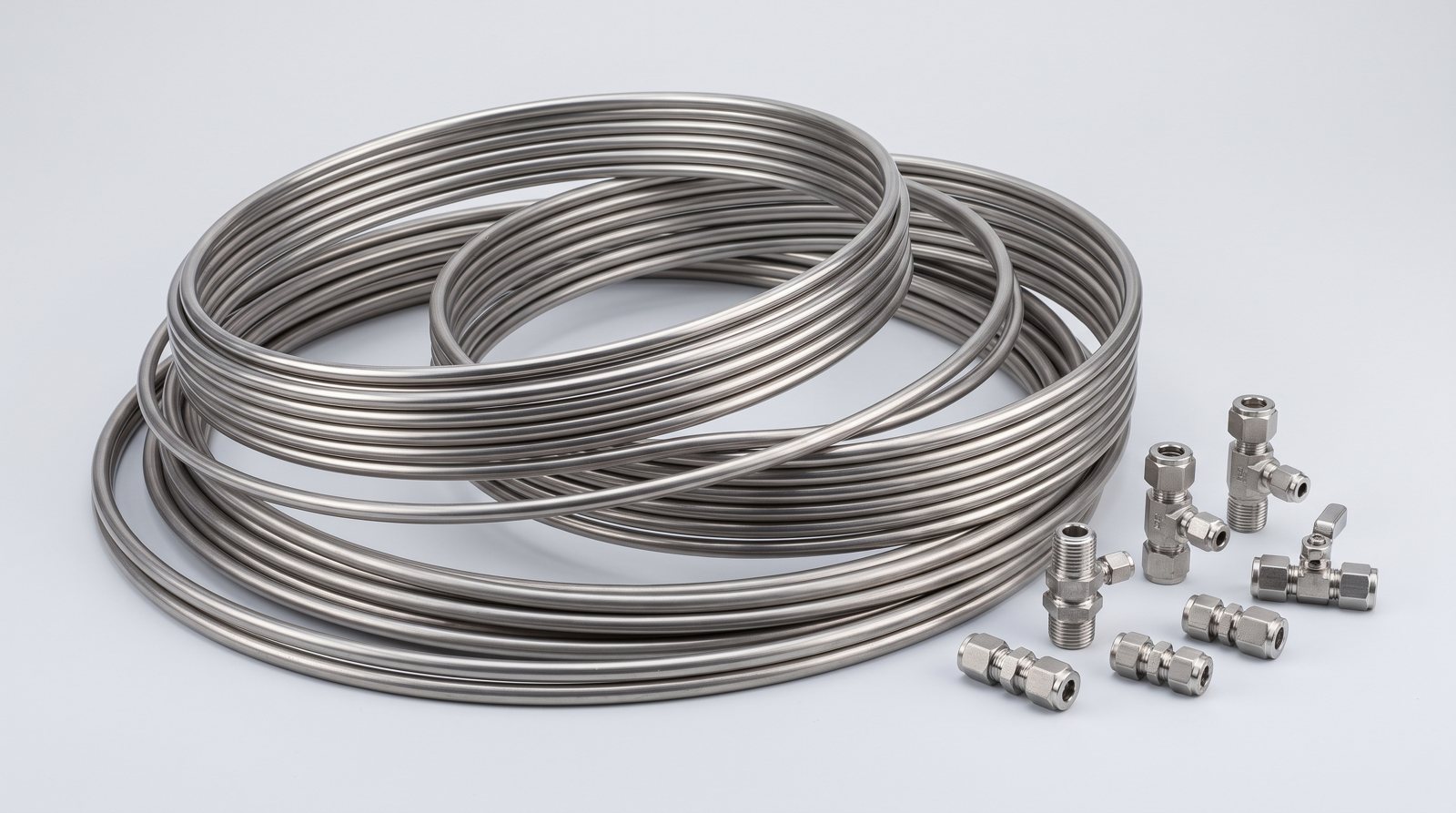
Hardness is the spec people forget, and it causes more sealing trouble than any other. Tube must be soft enough for the ferrule to bite. Fully annealed stainless tubing to ASTM A269 or A213 should measure no harder than 90 HRB (Rockwell B) or 200 HV, per Swagelok's tubing recommendations. Harder tube resists the ferrule, so the fitting cannot form a proper seal, and you get leaks or a joint that will not remake. Ask your supplier to confirm the hardness on the mill test report, not just the alloy.
Softness helps sealing, but the tube still has to be free of deep scratches and true to round. A soft tube with a longitudinal scratch under the ferrule leaks right along that scratch. Inspect the surface before you swage.
Which Material Grade Fits Your Service?
Match the alloy to your media and environment. Along the Gulf Coast, chlorides and humidity push most instrument work toward 316.
- 316/316L stainless: the instrumentation workhorse, with strong corrosion resistance and low carbon (L) for weldability.
- 304/304L stainless: economical for less-corrosive service and clean utilities.
- Alloy 400, alloy 625, and other exotics: for aggressive chemistry, high chloride, or extreme temperature.
- Carbon steel: for standard hydraulic and non-corrosive lines.
Keep the tube alloy compatible with your fitting alloy so galvanic corrosion does not attack the joint. When your media is unusual or your temperature swings hard, call Collins-Oliver with the details and match the grade to the application.
What Should You Check Before You Buy Tube?
Run this quick checklist before a tube order goes out:
- Material grade confirmed against media and temperature (often 316/316L).
- Seamless or welded-and-drawn chosen for your pressure and inspection class.
- OD and wall pulled from the pressure table with margin, and inside your fitting's allowable wall range.
- Hardness confirmed fully annealed, 90 HRB or less, on the mill test report.
- Surface and roundness free of deep scratches, within OD and ovality tolerance.
For related products, browse our stainless tubing or explore more in our resource library.
Frequently Asked Questions
Is seamless tubing always better than welded for instrumentation?
No. Seamless has no seam and suits the highest pressures, but high-quality welded-and-drawn tube is cold-worked after welding, holds tight tolerances, and serves most instrument lines well at lower cost. Choose seamless for critical high-pressure duty and welded-and-drawn for general service.
Why does tubing hardness matter for tube fittings?
The ferrule has to bite into the tube to seal. Fully annealed stainless at 90 HRB or less lets the ferrule swage properly. Harder tube resists the bite and leaks or will not remake, so confirm hardness on the mill test report.
What wall thickness should I use?
Match wall to your working pressure using the manufacturer's allowable-pressure table for your exact OD and material, then add a safety margin. Also stay inside the wall range your fitting series allows for that tube size. When in doubt, call for your application.
What tubing grade is best for a Gulf Coast refinery?
316 or 316/316L stainless is the common choice because chlorides and humidity attack lesser alloys. For aggressive chemistry or high chloride, step up to alloy 400, 625, or another exotic. Match the alloy to your specific media.
Can I use hardware-store tube in a tube fitting?
No. Ornamental or structural tube is often too hard, out-of-round, or scratched to seal in a gaugeable fitting. Use instrument-grade tube certified to ASTM A269 or A213 with confirmed hardness and tolerances.
Get Instrument-Grade Tubing From Collins-Oliver
Collins-Oliver is your authorized DK-LOK distributor in Baton Rouge, Louisiana, stocking 316 stainless instrumentation tubing, tube fittings, and valves for refineries, petrochemical plants, and instrument shops across the Gulf Coast. Tell us your pressure, media, and fitting series and we will match the tube grade, wall, and hardness to your system. Call (225) 922-9324 or (800) 247-5756, email info@collins-oliver.com, or request a quote today.