TLDR: You specify VCR face seal fittings by matching the gland, nut, gasket and mating body to your connection drawing. Record tube OD, VCR size, gasket material, plating and retention style before ordering. You specify a complete VCR connection by matching your gland, nut, metal gasket and mating body or gland, then identifying each end connection and its size.
What makes VCR face seal fittings seal?
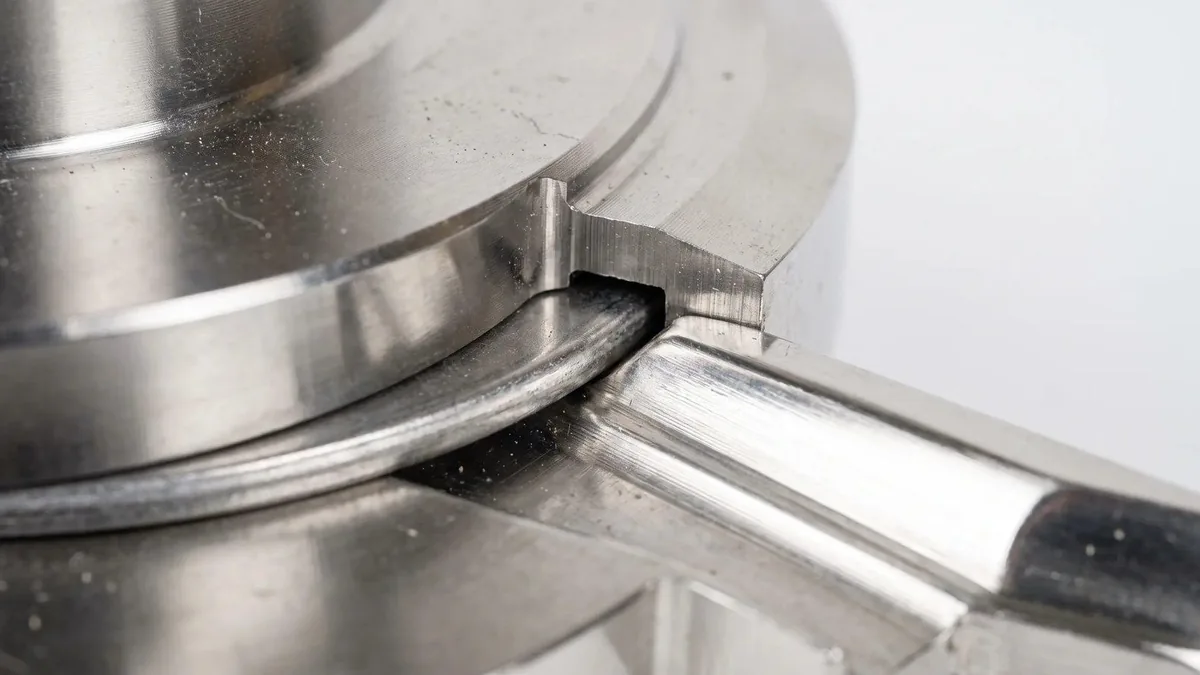
Start at the sealing faces. Your gasket sits between opposing beads. Tightening the threaded assembly compresses the gasket to form a metal gasket face seal, as illustrated in Swagelok’s VCR catalog, MS-01-24. The nut supplies the assembly force.
Distinguish component roles. Your gland carries the sealing face and connects toward the tubing. A socket weld VCR gland, SS-4-VCR-3, has a 1/4 in. VCR end and a 1/4 in. tube socket weld end. Specify the weld form explicitly.
Select the nut separately when building your assembly from individual components. The SS-4-VCR-1 female nut is a 1/4 in. VCR component. The gasket supplies the sealing element, while a connector body provides the opposing face and another connection type. Each part has a distinct job.
Read the assembly drawing before counting parts. Your joint might join a gland to a body, or join opposing glands with male and female nuts, as the catalog illustrates. A body is therefore a configuration choice rather than a universal extra component. Build the order around the actual joint.
Which VCR gasket material and plating belong on your order?
Specify material and plating independently. Your material field identifies the gasket substrate. The catalog’s gasket ordering section lists nickel, stainless steel and copper, with separate ordering details for plating and retention. Write every applicable choice on the requisition.
| Gasket material | Material designator | Plating and ordering distinction |
|---|---|---|
| Nickel | NI | Silver-plated and unplated choices, with VS identifying unplated gaskets |
| 316L stainless steel | SS | Silver-plated and unplated choices, with VS identifying unplated gaskets |
| Copper | CU | Unplated as standard, with no copper side-load retainer style |
You should avoid an incomplete material description. Your request for a silver-plated gasket still needs its substrate, size and style. Swagelok identifies SS-4-VCR-2-GR as a silver-plated 316L stainless steel gasket retainer assembly. Plating alone does not identify the part.
Include the service requirements too. Put your process fluid, temperature conditions and cleanliness requirements beside the requested gasket designation. Resolve material selection against the approved system specification before purchasing, then preserve the resulting part number through receiving and installation. A familiar material name is an incomplete order.
Carry the selected coating into the receiving check. Compare your delivered package designation with the approved requisition before releasing the gasket to the bench. A description shortened to stainless gasket drops the plating and retention decisions made during specification. Keep those fields visible on the stores label.
How do retained and non-retained gaskets differ?

Choose how the gasket is positioned. Your retained selection includes a retainer and gasket as an assembly. Swagelok’s gasket assembly instructions in the catalog require the retainer and gasket to be installed together and exclude non-retained gaskets from retainer assemblies. Treat the styles as separate orderable configurations.
Start your request from the retained gasket assembly listing. For your technical comparison, Swagelok specifies a 1/4 in. gasket size for this assembly. Carry the complete designation onto the order.
Use the non-retained gasket listing for your separate request. Your comparison must account for size as well as retention, because Swagelok identifies SS-8-VCR-2 as a 1/2 in. silver-plated 316L stainless steel gasket. These examples differ in both size and style.
Check the mating hardware too. Your drawing needs enough detail to distinguish a conventional retainer assembly from a side-load arrangement. The catalog flags components incompatible with gasket retainer assemblies. Confirm the exact combination before building the maintenance kit.
Compare like sizes when evaluating styles. The retained and non-retained listings above illustrate separate purchasing choices, so your substitution review must hold connection size constant before comparing retention. Write the required size at the top of the review sheet. Then resolve the gasket construction against the mating assembly.
How do you size VCR face seal fittings by tube OD?
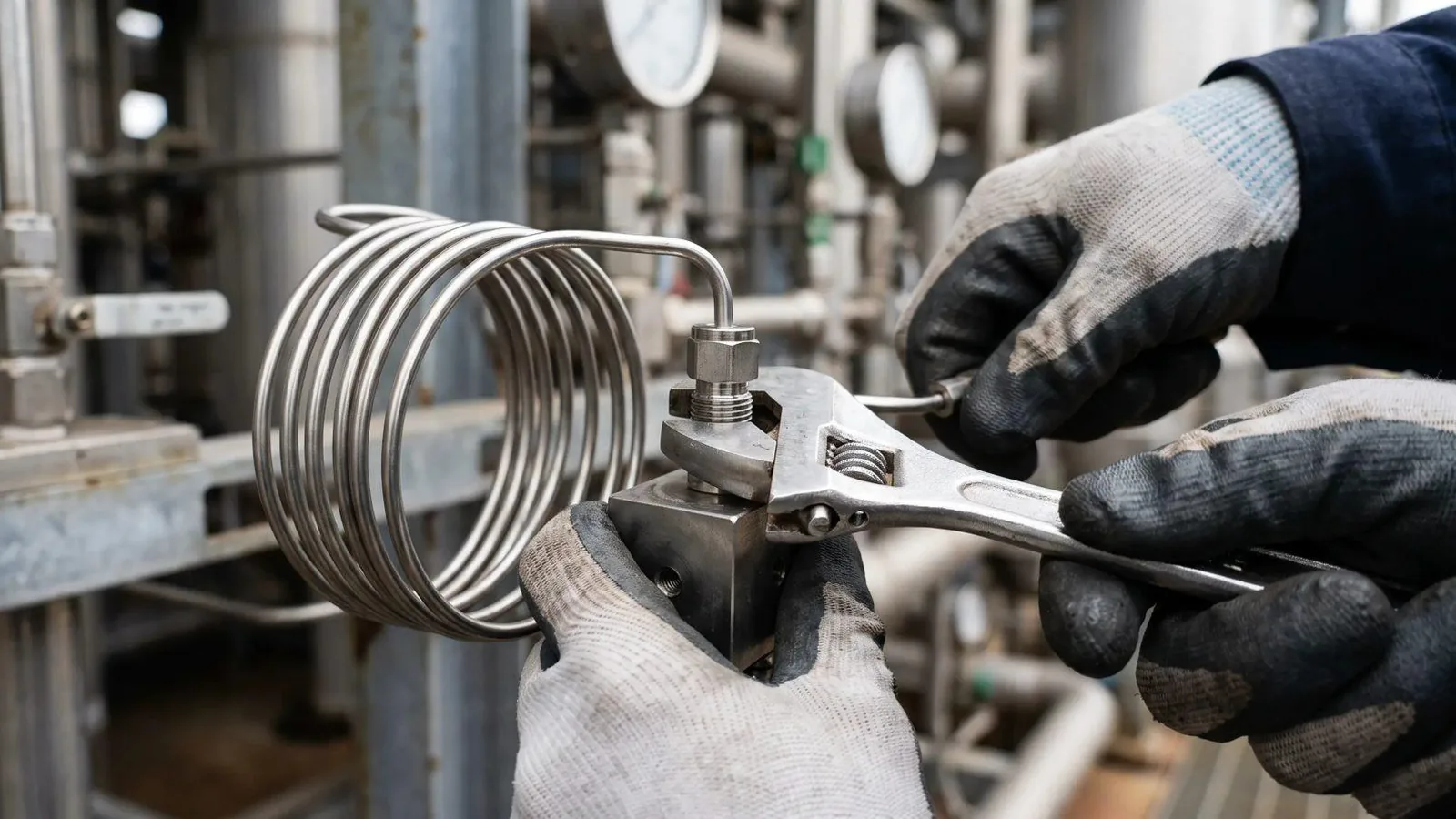
Begin with the tube outside diameter. Your order must also identify the VCR interface size. Swagelok separates those fields in its gland listings, so a tube measurement alone leaves the face seal connection unresolved. Record each connection independently.
Retain the original units. Your metric tubing does not require a metric designation on every mating feature. For example, 6LV-4-VCR-3S-6MTB7 connects a 1/4 in. VCR gland to a 6 mm tube butt weld end. This is a cataloged combination, not a unit conversion.
Include the complete suffix as well. Your search for SS-4-VCR finds a family of component descriptions rather than a finished specification. The gland, nut and connector examples above share this prefix while performing different jobs. Copy the entire ordering number from the approved component record.
Give the fabricator the tube information before releasing the order. Include your tube OD, wall specification, weld style and required gland geometry in the drawing package. For the metric example, Swagelok’s product title explicitly identifies the tube butt weld configuration. Keep the connection description beside the number.
Read each size beside its connection label. Your VCR field describes the face seal interface, while the tube field describes the weld end and the NPT field describes a pipe thread connection. Do not copy a bare size into every field. Preserve the manufacturer’s complete end descriptions.
When should you pick a VCR connector body?
Select a connector body when your joint must transition to another connection form. The SS-4-VCR-1-2 manufacturer specification identifies a 316 stainless steel body with a 1/4 in. VCR connection and a 1/8 in. male NPT connection. The ends serve different interfaces. Specify both before ordering.
Choose this arrangement for your drawing calling for those exact face seal and threaded ends. Use the VCR to male NPT connector body listing to organize your request. Match the receiving port’s thread type and size against the equipment drawing. The connector designation must describe both sides.
Account for the mating components too. Your request for a connector body should identify whether the nut, gland and gasket are separate line items or already present in the installation. Mark each item as required or already accounted for on the assembly schedule. Confirm the supplied contents before closing the order.
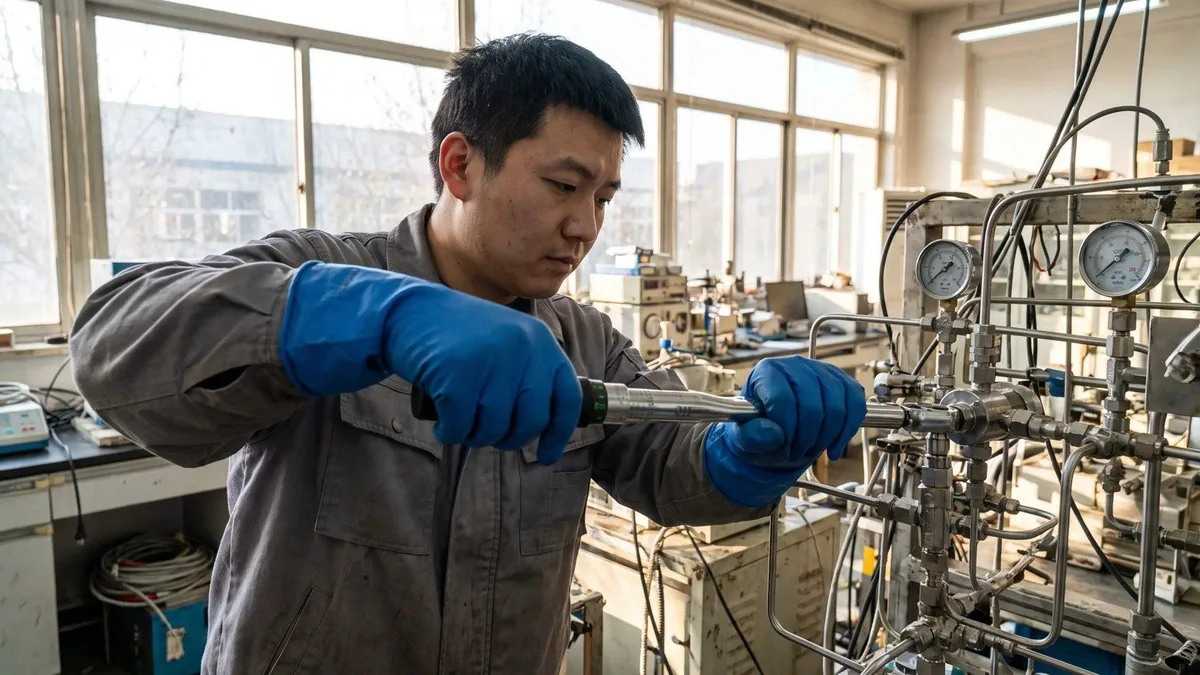
Preserve assembly access too. Your layout must accommodate the stationary body and the rotating mating nut. The catalog’s fixed-thread component instructions require fixed-thread VCR components to remain stationary during normal installation. Resolve wrench access before releasing the layout.
What belongs on a complete specification?
A connection schedule makes purchasing easier. Your schedule should identify the parts separately while keeping them tied to the same joint. Attach the approved drawing and specify whether the request covers a complete assembly or replacement components. Give purchasing a defined scope.
- Identify your manufacturer and complete component ordering numbers.
- Record your tube OD, wall specification and gland connection style.
- Separate your VCR size from the opposite end’s type and size.
- Name your gasket material, plating and retention style.
- State your cleaning, packaging and surface finish requirements.
- Provide your quantities, joint references and delivery destination.
Distinguish new construction from maintenance purchasing. For your new assembly, identify every mating component on the bill of materials. For a replacement request, identify the installed assembly and the precise component being replaced. A clear scope prevents a gasket request from becoming an incomplete assembly order.
Make proposed substitutions visible. Ask purchasing to return any changed ordering number with its full description for comparison against your drawing. Check the connection form, gasket construction and processing fields before accepting the change into the bill of materials. Update the assembly record when the selection is approved.
Close the technical selections before requesting fulfillment. Keep your approved part numbers together with the drawing revision and project requirements. If the system choice remains unresolved, the VCR versus VCO comparison article covers the separate comparison topic. This specification sheet should identify the selected VCR connection.
Where do you source the specified parts?
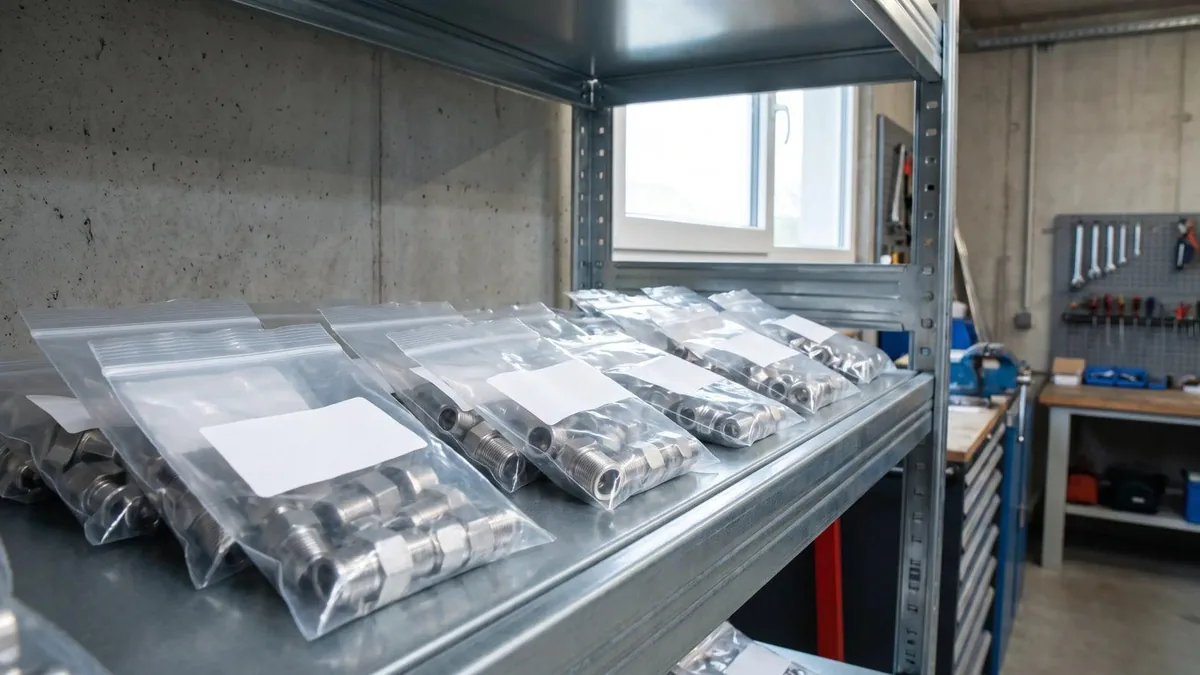
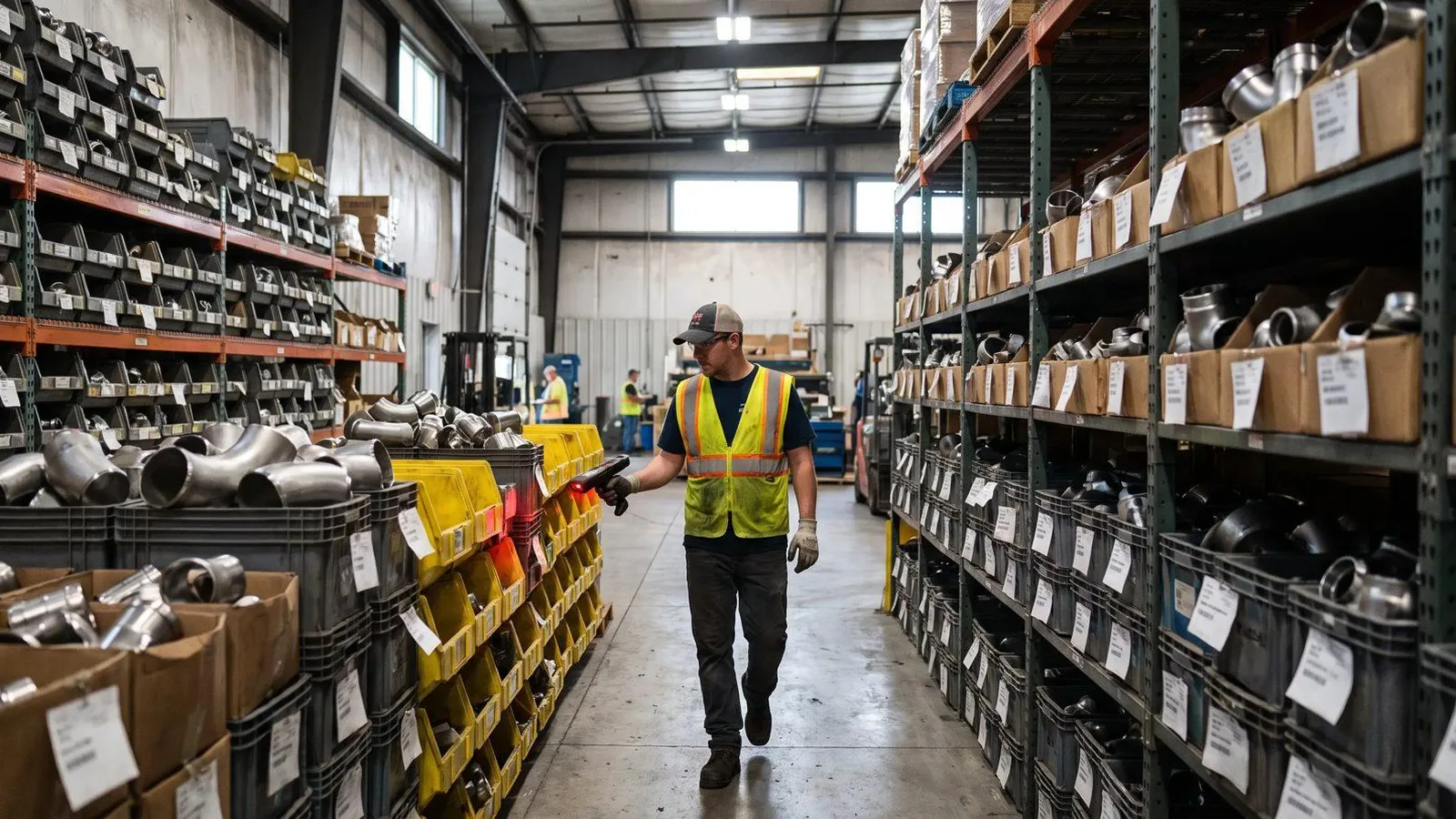
You have access to Collins-Oliver’s stock depth of 19,000+ part numbers. Your purchasing team gets same-day pickup in Baton Rouge and nationwide shipping. Start with the VCR component category and bring the complete ordering numbers to the conversation. Match availability to the actual requirement.
You get more from a parts conversation when your requirements are explicit. Ask to speak with a person who knows the part, with the drawing and component list at hand. Identify the gland, nut, gasket and body requirements before discussing pickup or shipping. Keep the quote tied to the specified components.
Questions buyers ask about VCR connections
Does a VCR fitting automatically meet ultra-high-purity requirements?
Specify your processing designation explicitly. Your ultra-high-purity specification should identify the required surface finish and cleaning, because Swagelok distinguishes standard cleaning from ultrahigh-purity processing. The connection family alone does not specify the processing.
Are the nut threads silver plated too?
Distinguish your nut plating from gasket plating. Your cleaning procedure must preserve the female nut’s silver plating, which Swagelok identifies as protection against thread galling. Damaging or removing it risks damage during assembly.
How far should a VCR fitting be tightened?
You start from finger-tight. For your stainless steel or nickel gasket, Swagelok’s installation sheet specifies 1/8 turn, while copper requires 1/4 turn. Apply the illustrated procedure for the actual assembly and gasket material.
Is a blind gasket the same as a normal sealing gasket?
You need to identify an intentional closure. Your blind gasket is undrilled and carries a separate BL ordering suffix. Record the closure function explicitly so it does not enter a flowing connection’s parts list.
How is the gland material identified after unpacking?
You have more than the package label to check. Your glands and shapes carry a material heat code, and Swagelok describes manufacturer and material identification markings. Preserve the package information alongside the receiving record for component identification.
Where does leak testing connect to the fitting?
Account for test access in your layout. Your assembly drawing should preserve access to the test ports illustrated in the VCR catalog. Include the project’s leak-test procedure in the installation package.
Have your part list ready. Call (800) 247-5756 or request a quote for your specified VCR fittings. Bring the complete ordering numbers.
Want more of this in your Google feed? Tap here and Google shows you our articles first.