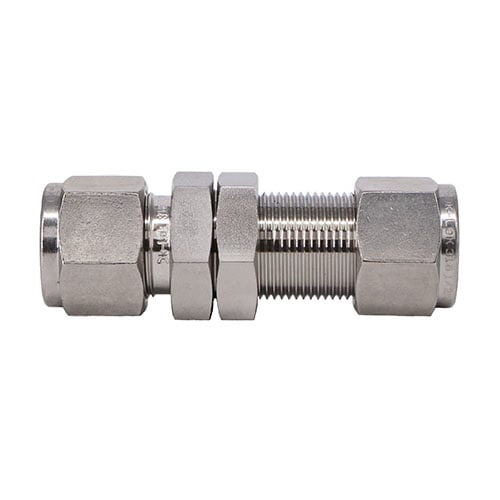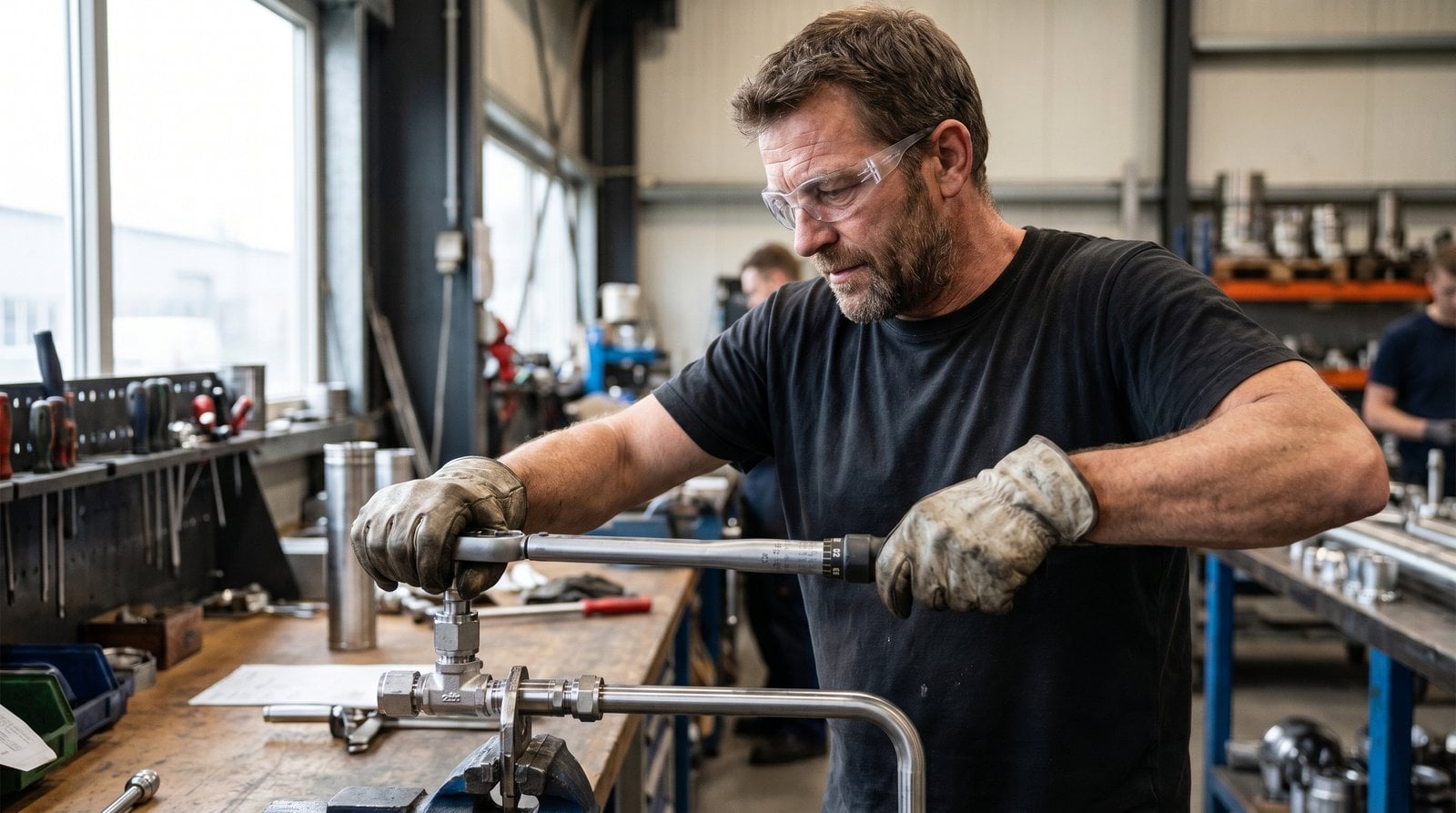
TL;DR
- The same fitting on the same tube, at the same joint, retightens reliably to spec.
- Re-using a ferrule on a different tube or in a different body causes leaks.
- Reassembly torque is 1/4 turn past finger-tight from the original tightened position — not 1-1/4 turns like first installation.
- Each disassembly cycle takes the ferrule closer to its set limit. Track cycle counts on critical joints.
- If the joint cannot be reused, the right answer is a quick-connect coupling, not a fresh compression fitting every cycle.
What “re-use” actually means for a compression fitting
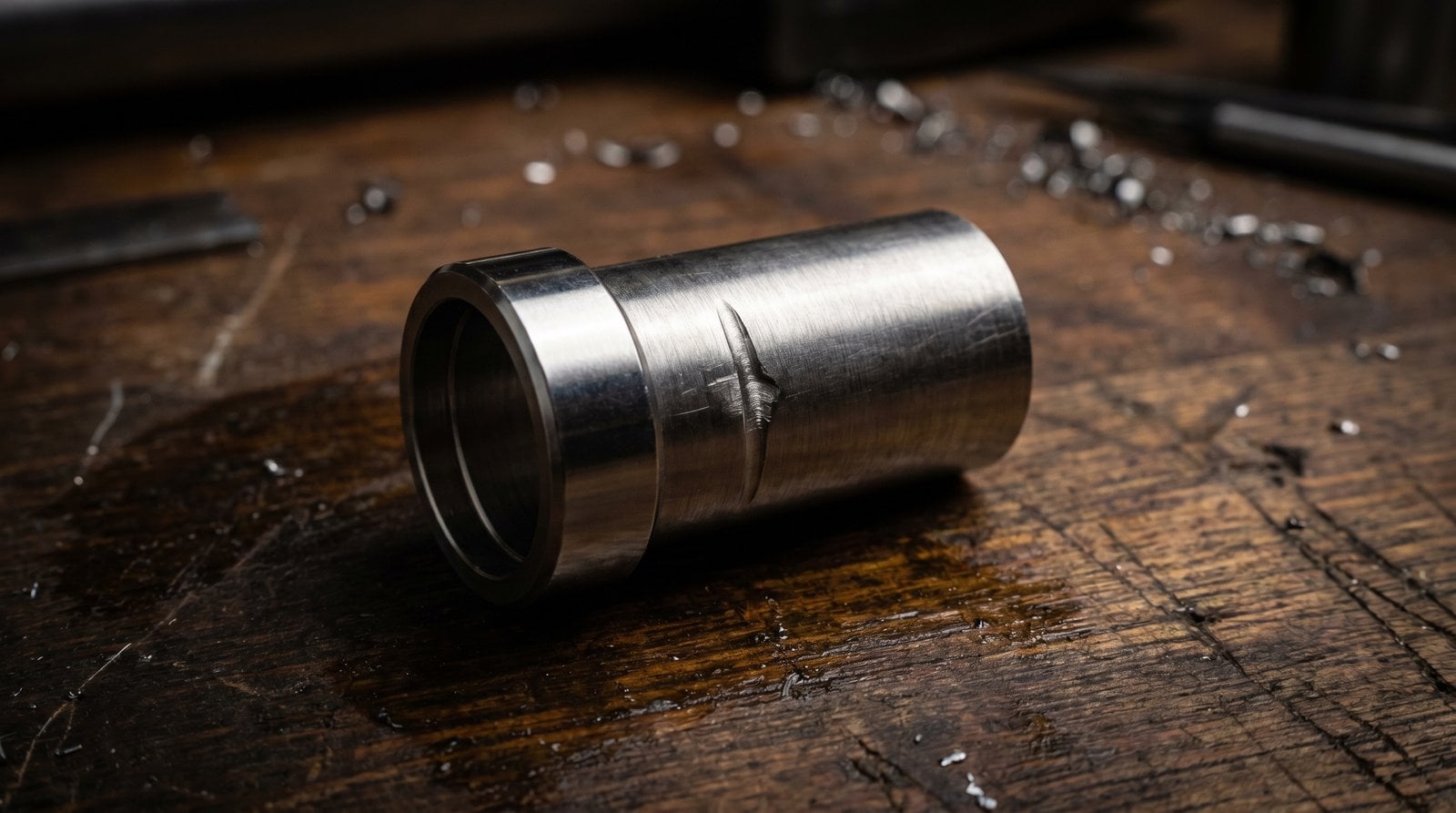
Re-use means the joint comes apart for service and goes back together at the same location. Same fitting body. Same nut. Same ferrules. Same tube end. Everything stays in its original geometry.
That kind of re-use works. Swagelok publishes reassembly torque of 1/4 turn past finger-tight from the original tightened position. Parker publishes the same approach. The ferrule has already taken its set against the tube wall. Reassembly to the original position recreates the original seal.
What does not count as re-use
- Moving the ferrule to a different tube. The original tube has its impression in the ferrule. New tube does not match that impression.
- Moving the ferrule to a different body. The body has its own ramp angle. Different body, different ramp, different seal.
- Re-using ferrules across brands. Parker ferrules in Swagelok bodies, or vice versa, never seal correctly.
- Re-using fittings that have shown leaks. Once a fitting has weeped, the ferrule or the body shoulder is damaged. Replace.
Reassembly procedure that works
- Inspect the ferrule and tube for damage before reassembly. Pitting, scoring, or impact marks fail the joint.
- Clean the body shoulder and the ferrule with a lint-free cloth. Any debris between the ferrule and the shoulder prevents the seal from developing.
- Push the tube into the body until it bottoms against the shoulder.
- Slide the nut and ferrules onto the tube, returning them to their original position.
- Finger-tighten the nut until it stops.
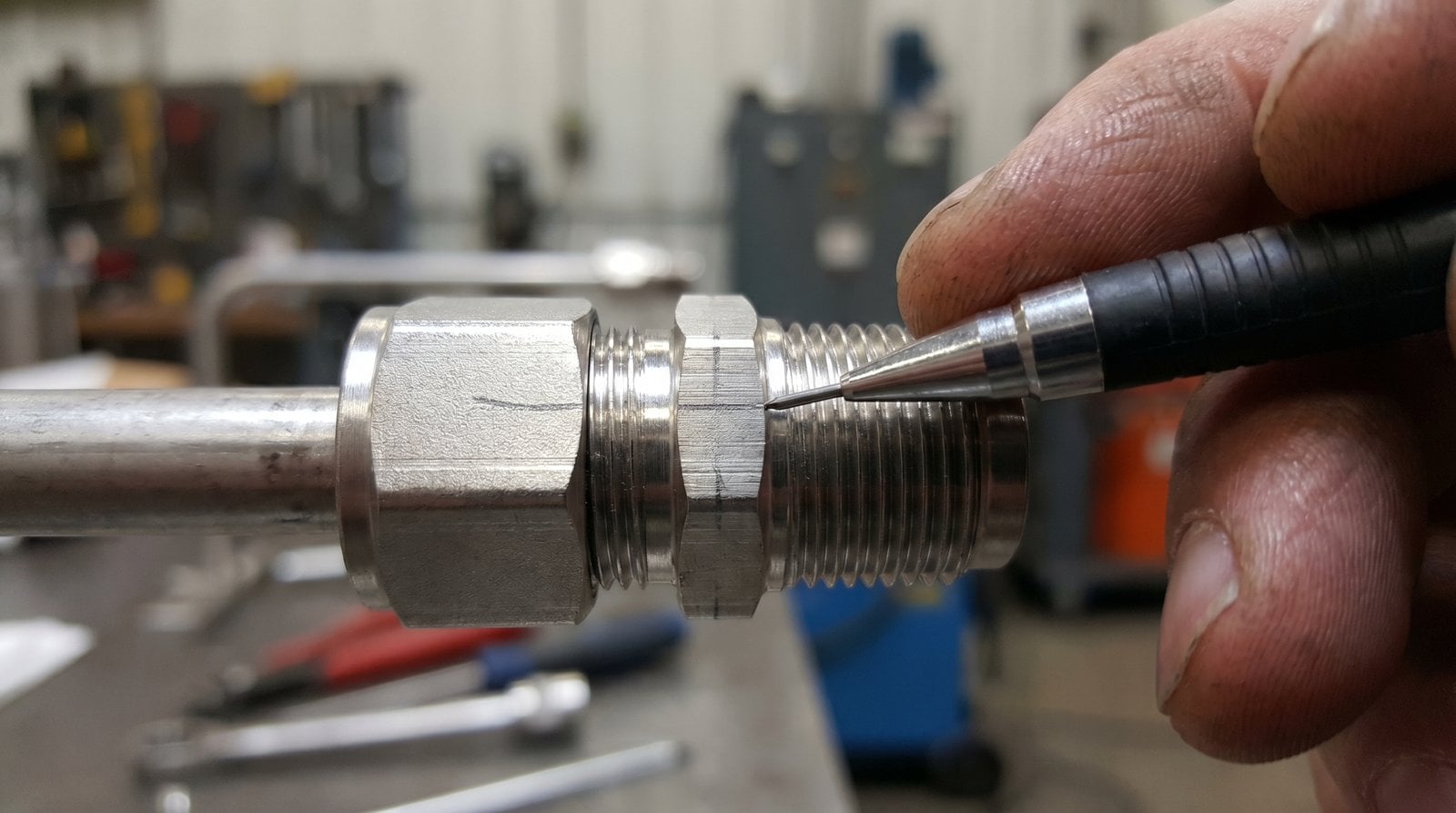
- Mark the nut and body with a pencil line at 12 o’clock.
- Tighten the nut 1/4 turn past finger-tight. The pencil line should rotate to 3 o’clock.
- Verify there is no visible gap between the nut and the body.
The torque difference between first installation and reassembly
First installation: 1-1/4 turns past finger-tight. The ferrule drives into the tube wall and creates the initial seal. Reassembly: 1/4 turn past finger-tight from the original tightened position. The seal already exists — you only need to re-engage it.
Confusing the two ruins joints. 1-1/4 turns on reassembly drives the ferrule past its set point and damages the tube wall. The fitting may pass cold pressure test and leak under thermal cycling weeks later. 1/4 turn on first installation leaves the ferrule riding short. The fitting weeps from the moment it is pressurized.
Cycle limits
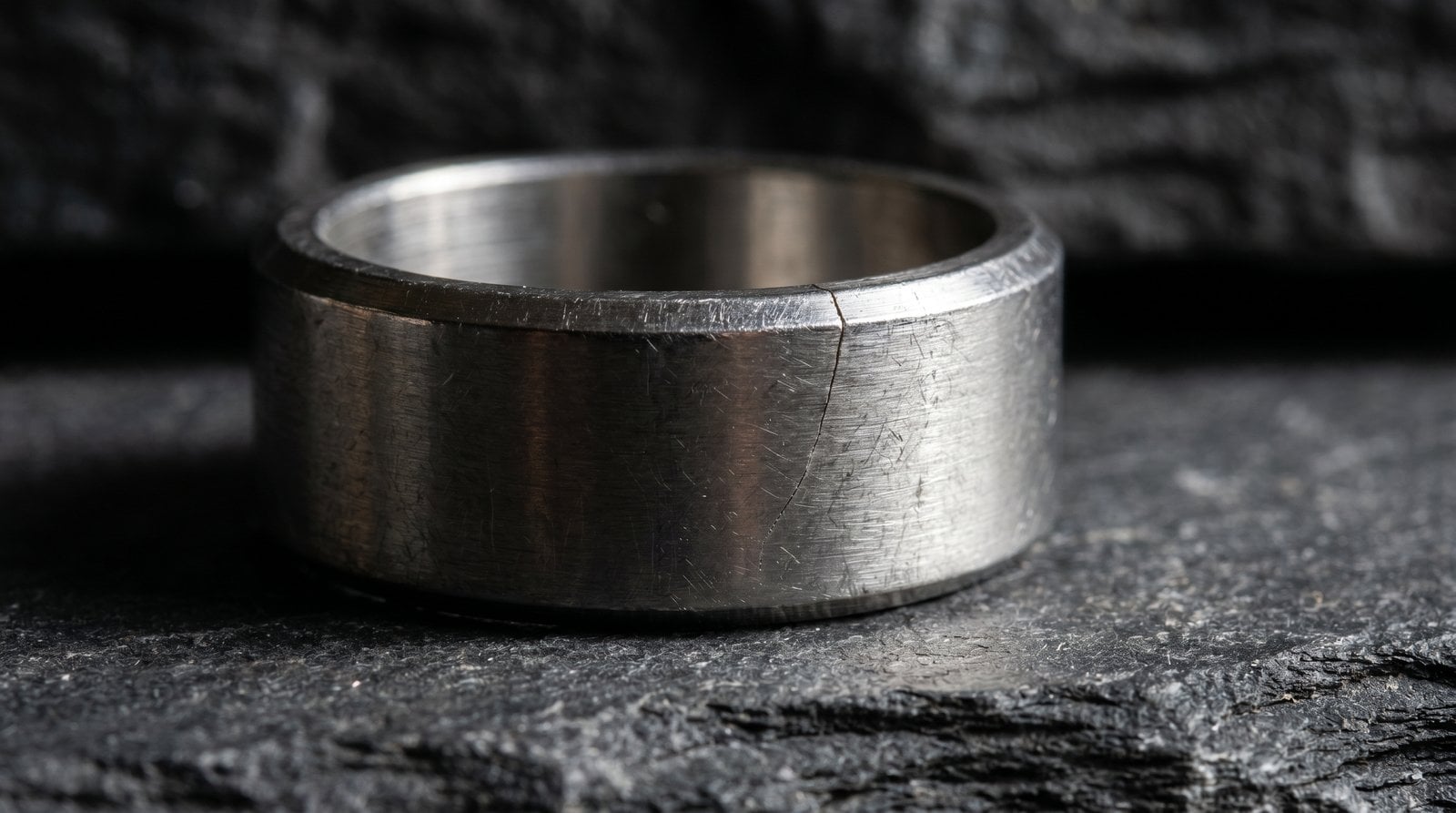
Swagelok publishes guidance for repeated disassembly cycles on critical joints. The number of safe reuse cycles depends on the tube material, the pressure, and the service. Most published guidance puts the practical limit at 25-50 reassembly cycles before the joint should be retired and replaced.
For routine plant work, this limit is rarely the binding constraint. Most joints get disassembled fewer than 5 times in their service life. For high-frequency reassembly work (test fixtures, calibration carts), the limit matters — and the right answer is usually a quick-connect coupling, not a compression fitting.
Field signs that a joint should not be reused
- Visible cracking on the ferrule. Once cracked, the ferrule cannot reseat.
- Pitting or scoring on the tube wall under the ferrule.
- Damage to the body shoulder where the front ferrule seals.
- A prior leak history at the joint. Even if the cause was external, the joint’s seal margin has been compromised.
- Heat discoloration from prior overheating events.
- Any sign that the original installation used the wrong tube material or hardness.
Common mistakes during reassembly
- Mixing components between joints. The ferrule from joint A and the nut from joint B will not seal correctly. Keep components together with a clamp or a labeled bag during disassembly.
- Reassembling onto a tube that has been cut or refaced. Even a small change to the tube end shifts the ferrule seating geometry.
- Using a torque wrench at the published first-installation torque on reassembly. The torque difference is real and significant.
- Reassembling a fitting that has been exposed to a different fluid in the interim. Cross-contamination between services starts at the first reassembly.
- Skipping the post-reassembly leak test. Every reassembled joint gets a pressure check before returning to service.
When the joint must come apart more than 5 times
If the joint comes apart more than 5 times per year, the right answer is usually a quick-connect coupling or a flanged connection — not a compression fitting that gets reassembled. The labor cost of careful reassembly, plus the risk of a botched torque sequence, plus the cycle limit on the ferrule, all push toward a connection style designed for repeated cycles.
For routine sample-port access, calibration cart connections, and instrument bench work, quick-connects are the standard. Compression fittings stay on the permanent installation side of the system.
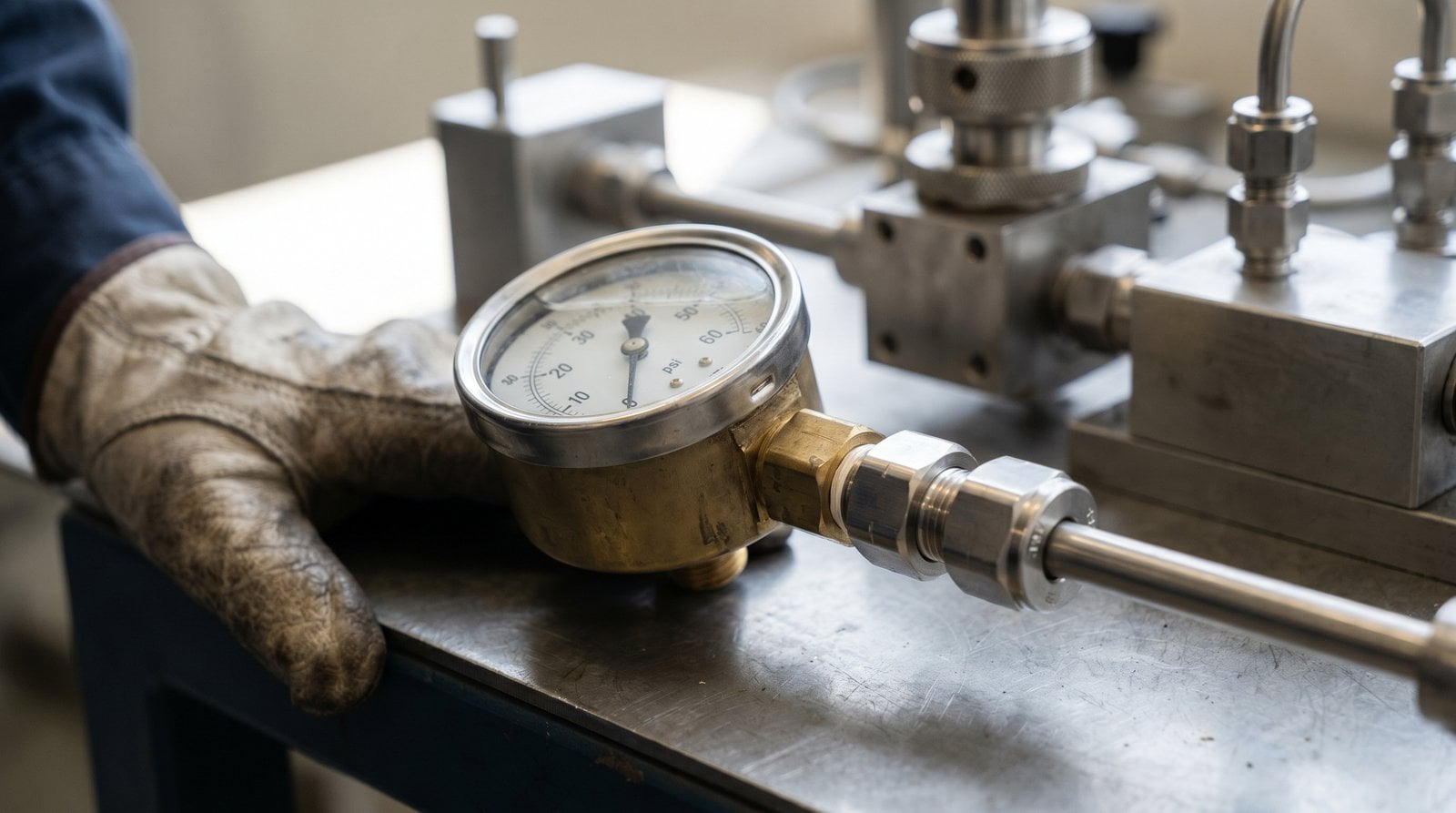
Need help on reassembly procedures? Read the compression-fitting in-depth guide or call Collins-Oliver. We carry replacement ferrules, nuts, and complete fittings — same-day shipping nationwide.