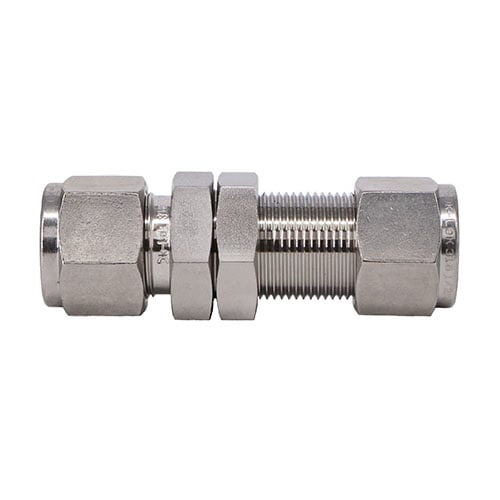
The twin-ferrule vs single-ferrule tube fittings question comes down to one thing: how a fitting grips your tube and holds a seal under pressure, vibration, and thermal cycling. Both designs work. Both keep fluids and gases where they belong. But they grip differently, and the difference decides how your line performs in hard service. This guide shows you how each design works, where each one earns its place, and how to choose with confidence.
TL;DR
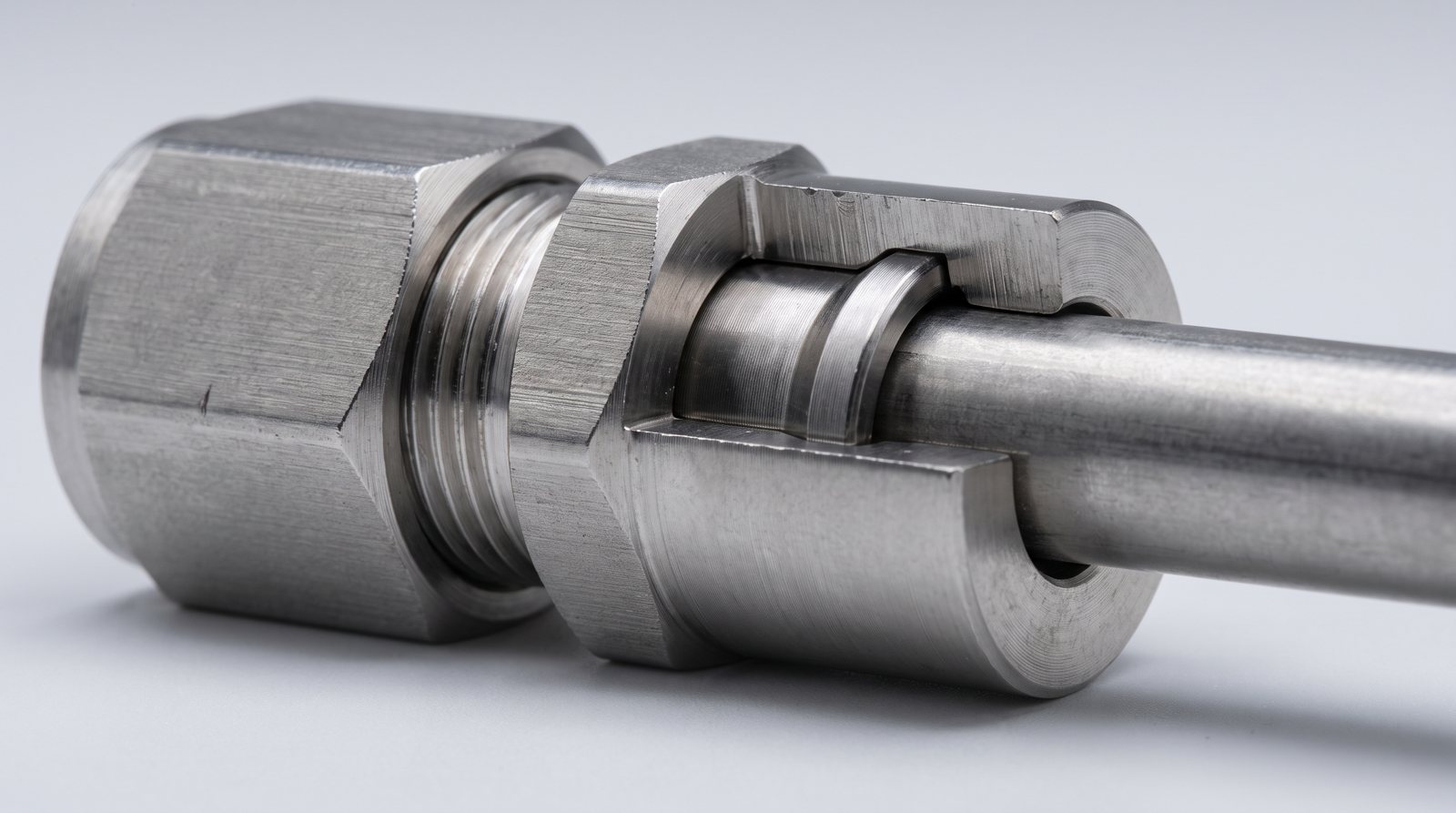
- A single-ferrule fitting uses one ferrule to seal and grip at the same time, which keeps part count and cost low for moderate-duty lines.
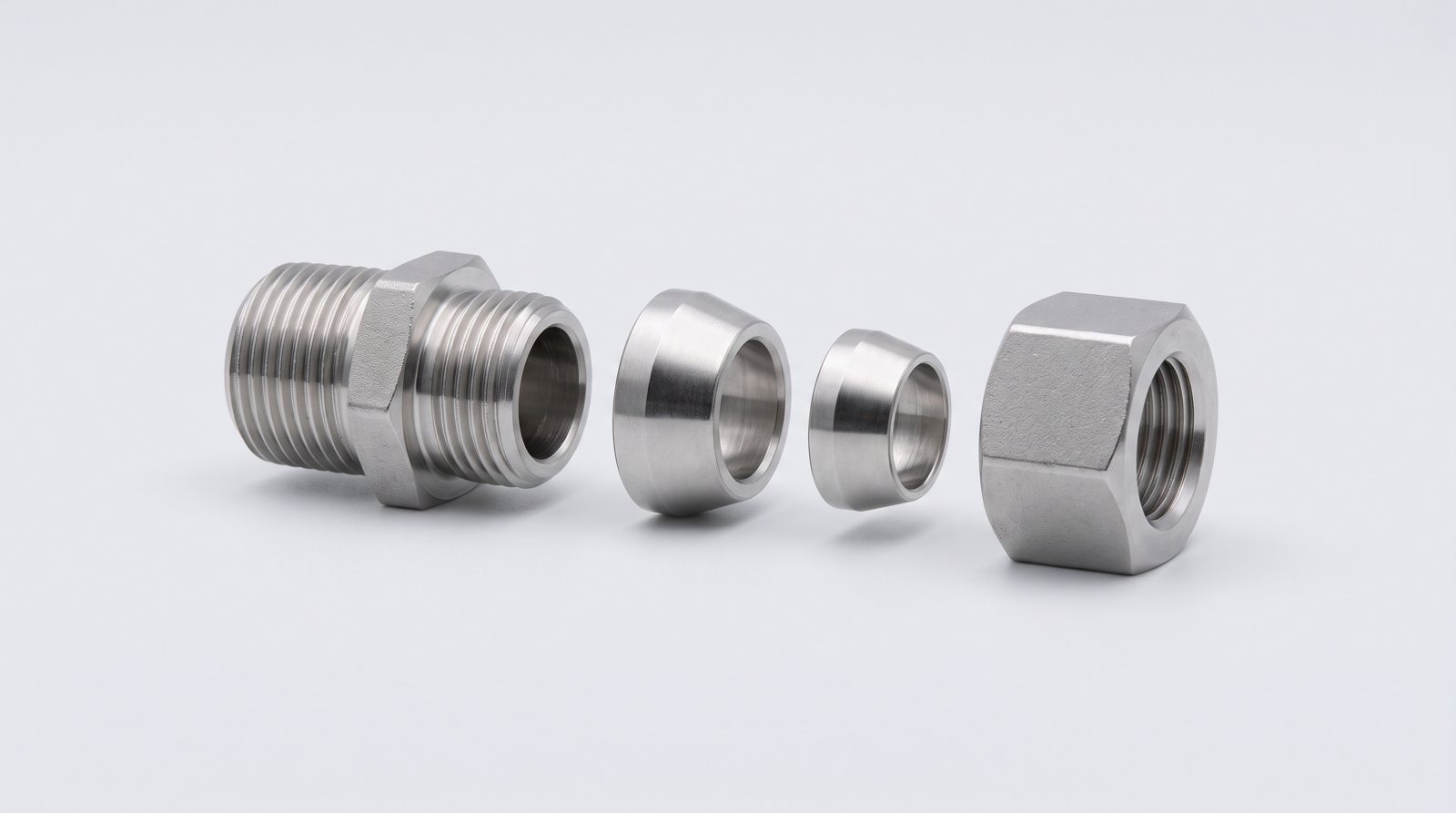
- A twin-ferrule fitting splits the work: the front ferrule seals, the back ferrule grips and live-loads the joint against vibration and temperature swings.
- Twin-ferrule fittings win in high-vibration, high-pressure, and thermally cycling service such as refinery instrumentation and analytical systems.
- DK-LOK, Swagelok, Parker, and other leading brands build their instrumentation fittings on the twin-ferrule design, installed with a 1-1/4 turn of the nut past finger-tight.
- Never mix ferrules, nuts, or bodies across designs or brands unless the maker warrants it, and buy from an authorized distributor so the parts match.
Quick Answer
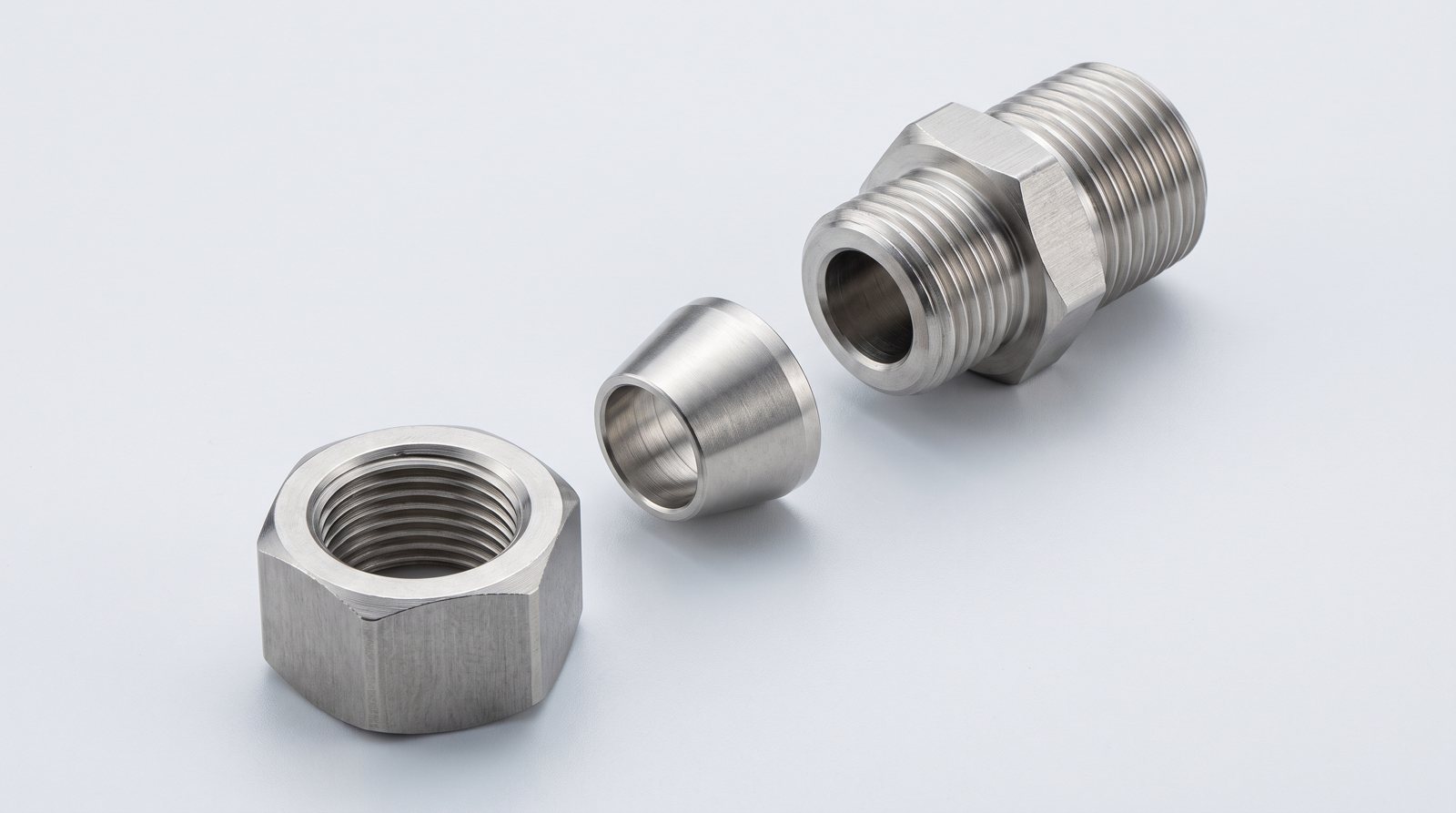
Twin-ferrule fittings separate sealing from gripping, so the front ferrule forms the seal while the back ferrule grips the tube and adds live-loading spring action for vibration and thermal cycling. Single-ferrule fittings ask one ferrule to do both jobs, which lowers part count and cost. Choose twin-ferrule for critical, high-vibration, high-pressure lines. Choose single-ferrule for moderate, general-service runs where simplicity and price matter most.
What is a ferrule, and what does it do?
A ferrule is the metal sleeve inside a compression tube fitting. It bites onto the tube when you tighten the nut. As the nut advances, it drives the ferrule against the tube and into the fitting body. The action produces two results your system depends on: a leak-tight seal and a mechanical grip strong enough to keep the tube from blowing out under pressure. The number of ferrules, one or two, changes how the fitting divides those two jobs.
Both designs share the same core mechanism. Each one deforms a ferrule to clamp the tube as the nut forces it into a taper. The difference is how many ferrules share the load, and whether a single component or a dedicated pair handles the seal and the grip. You will find both designs across our tube fittings range, matched to the tube and pressure class you run.
How does a single-ferrule fitting work?
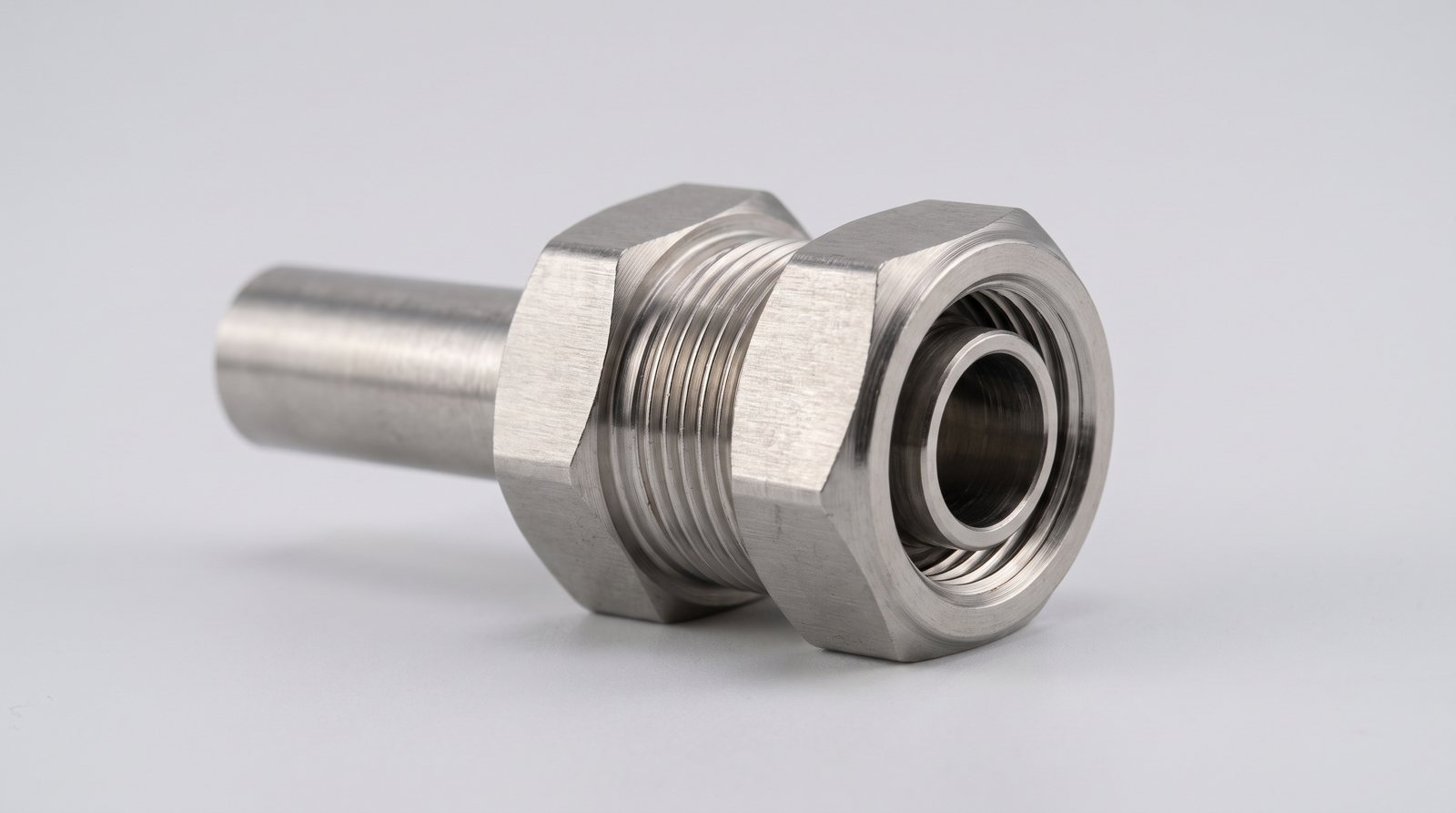
A single-ferrule fitting uses one ferrule to handle both sealing and gripping. Tighten the nut and the lone ferrule swages onto the tube, forms the seal, and holds the line. The design keeps things simple. Fewer parts mean faster assembly, easier inventory, and a lower price per fitting.
Single-ferrule fittings serve you well when:
- Your service stays moderate in pressure and vibration
- You want fast, straightforward make-up
- You favor a lower part count and simpler stocking
- Your tubing is soft or easily deformed and benefits from a single controlled bite
The single ferrule asks one component to do two demanding jobs at once. It works fine in many systems. But when the line sees heavy vibration or aggressive thermal cycling, splitting those jobs across two ferrules pays off. The twin-ferrule design steps in here.
How does a twin-ferrule fitting work?
A twin-ferrule fitting divides the labor between two dedicated parts. The front ferrule creates the seal against the fitting body and on the tube outside diameter. As the nut turns, the back ferrule advances the front ferrule axially and grips the tube radially, hinging and colleting to build surface-to-surface contact with the tube wall. The grip resists blowout, and it live-loads the joint like a spring, so vibration gets absorbed by the back ferrule without loosening the seal. Each ferrule does one job and does it well. The Swagelok two-ferrule design overview walks through the same sealing-and-gripping split in detail.
The separation gives twin-ferrule fittings a real advantage in demanding service:
- Stronger tube grip to resist vibration and pressure surges
- Reliable performance across wide temperature cycling
- Consistent, repeatable make-up you gauge and inspect
- Confident sealing on instrumentation and analytical systems
DK-LOK, Swagelok, Parker, and other leading brands build their high-performance instrumentation fittings on the twin-ferrule design for exactly these reasons. DK-LOK, for one, installs on a 1-1/4 turn of the nut past finger-tight, a rotation count rather than a torque figure, as its published tube-fitting documentation spells out. When you refuse to risk a leak, the two-ferrule approach earns its keep. Explore the full DK-LOK line across our instrumentation fittings.
Which design should you choose for your system?
Match the fitting to the demands of the line. Neither design is universally better. The right choice depends on pressure, vibration, temperature, and how critical a leak-free seal is to your operation.
| Factor | Single-Ferrule | Twin-Ferrule |
|---|---|---|
| Sealing and gripping | One ferrule does both | Front seals, back grips |
| Vibration resistance | Good | Excellent |
| Thermal cycling | Good | Excellent |
| Part count | Lower | Higher |
| Typical use | Moderate, general service | Critical instrumentation, high vibration |
| Cost per fitting | Often lower | Often higher |
For refinery instrumentation, analytical systems, high-pressure process lines, and anything vibrating or cycling hard, twin-ferrule fittings deliver the security you need. For simpler, moderate-duty runs where cost and part count matter, single-ferrule fittings do the job. When you spec a fitting, spec the matching tube and shutoff at the same time, since our valves and tubing carry the same ratings end to end.
Does one design install faster than the other?
Single-ferrule fittings usually make up faster because you handle fewer parts. Twin-ferrule fittings take a little more care to orient both ferrules correctly, but they reward the care with repeatable, gaugeable make-up. On both types, follow the manufacturer's tightening instructions to the letter, and hold the body with a backup wrench so you turn the nut, not the tube. Over-tightening or under-tightening ruins a seal no matter how many ferrules the fitting carries. A gap-inspection gauge confirms proper pull-up on twin-ferrule joints before you pressurize.
Is it safe to mix ferrule designs or brands?
No. Never mix ferrules, nuts, or bodies from different designs or different manufacturers unless the maker specifically warrants the combination. The geometry behind each fitting's seal is precise to thousandths of an inch. Mixing components wrecks the grip and the seal, and it voids the manufacturer's warranty. Keep every fitting one matched system, and buy from an authorized distributor so you know the parts belong together. Our team lists brand-match guidance across the resources hub if you are unsure which components pair.
Frequently Asked Questions
Is twin-ferrule always better than single-ferrule?
Not always. Twin-ferrule fittings excel in high-vibration, high-pressure, and thermally cycling service because the front seals and the back grips. Single-ferrule fittings work well in moderate-duty lines where a lower part count and faster assembly matter more.
What does the back ferrule do in a twin-ferrule fitting?
The back ferrule grips the tube and adds live-loading, spring-like action to keep the joint tight through vibration and temperature changes. The front ferrule handles the seal. Splitting the jobs makes the connection more robust.
Do I reuse a ferrule fitting after I take it apart?
Follow the manufacturer's re-make guidance. Many twin-ferrule fittings allow remaking if you reassemble to spec and reseat the same ferrules on the same tube. Call us with your fitting brand and we will confirm the correct procedure.
Which design does DK-LOK use?
DK-LOK builds its instrumentation tube fittings on a twin-ferrule design for reliable sealing and gripping in demanding service, installed with a 1-1/4 turn of the nut past finger-tight. Collins-Oliver stocks the full DK-LOK line.
How tight should I make up a twin-ferrule fitting?
For fractional sizes from 1/4 inch to 1 inch, most twin-ferrule brands call for 1-1/4 turns of the nut past finger-tight, held with a backup wrench. The rule is rotation count, not torque. Always check your specific brand's instructions.
Is it safe to mix a single-ferrule nut with a twin-ferrule body?
No. Never mix components across designs or brands unless the manufacturer warrants it. Mixing destroys the seal and voids your warranty. Keep every fitting a matched set.
Choose the right fitting with Collins-Oliver
Whether your line calls for the security of twin-ferrule or the simplicity of single-ferrule, Collins-Oliver helps you spec it right. As your authorized DK-LOK distributor in Baton Rouge, we stock instrumentation tube fittings, valves, and stainless tubing for refineries, petrochemical plants, and power generation across the Gulf Coast. In our Baton Rouge warehouse we keep more than 3,000 DK-LOK fitting configurations on the shelf, so you match the exact size and ferrule design without a long lead time. Tell us your application and we will match the fitting to the job. Call (225) 922-9324 or (800) 247-5756 for a quote, or reach us through our contact page.
About Collins-Oliver
Collins-Oliver, Inc. has distributed instrumentation tube fittings, valves, and tubing from Baton Rouge, Louisiana since 1986. As an authorized DK-LOK distributor, we supply twin-ferrule and single-ferrule fittings, valves, and stainless tubing to refineries and process plants across Louisiana and the Gulf Coast. Call our team at (225) 922-9324 or (800) 247-5756 to spec your next system.