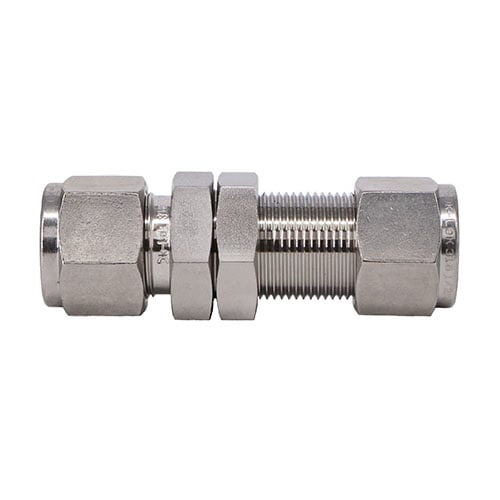
Your tube fitting is only as strong as the tubing you thread into it. Tube fitting pressure ratings depend far more on the tube itself, its outside diameter and its wall thickness, than on the nut and ferrule you tighten around it. Pick a wall too thin and no fitting on earth rescues the line. Pick the right pairing and your connection holds working pressure with a real safety margin. This guide shows you how tube OD, wall thickness, and material set the limit, so you spec tubing with confidence and stop guessing at the number.
Quick Answer
A tube fitting pressure rating is governed by the tube, not the fitting. Three inputs decide the working pressure: the tube outside diameter, the tube wall thickness, and the material allowable stress. Thicker walls raise the rating, larger diameters lower it at a fixed wall, and higher temperature forces you to derate. Read the exact number from the manufacturer tube data table for your material and temper, then apply the temperature correction before you order.
TL;DR
- The tube OD, wall thickness, and material set the working pressure. The fitting seals and grips, but the tube resists the pressure.
- Thicker wall equals higher pressure. Larger OD at the same wall equals lower pressure, because hoop stress rises with diameter.
- Published tables build in a safety factor against burst. A 1/2 in. OD by 0.049 in. wall 316 stainless tube carries about 2,800 psi at room temperature.
- Metals lose strength with heat. A 316 stainless line derates to roughly 77 percent of its room-temperature value near 1,000 degrees F.
- The assembly rates to its weakest link. Match the tube rating, the fitting rating, and every downstream component.
What sets a tube fitting's pressure rating?
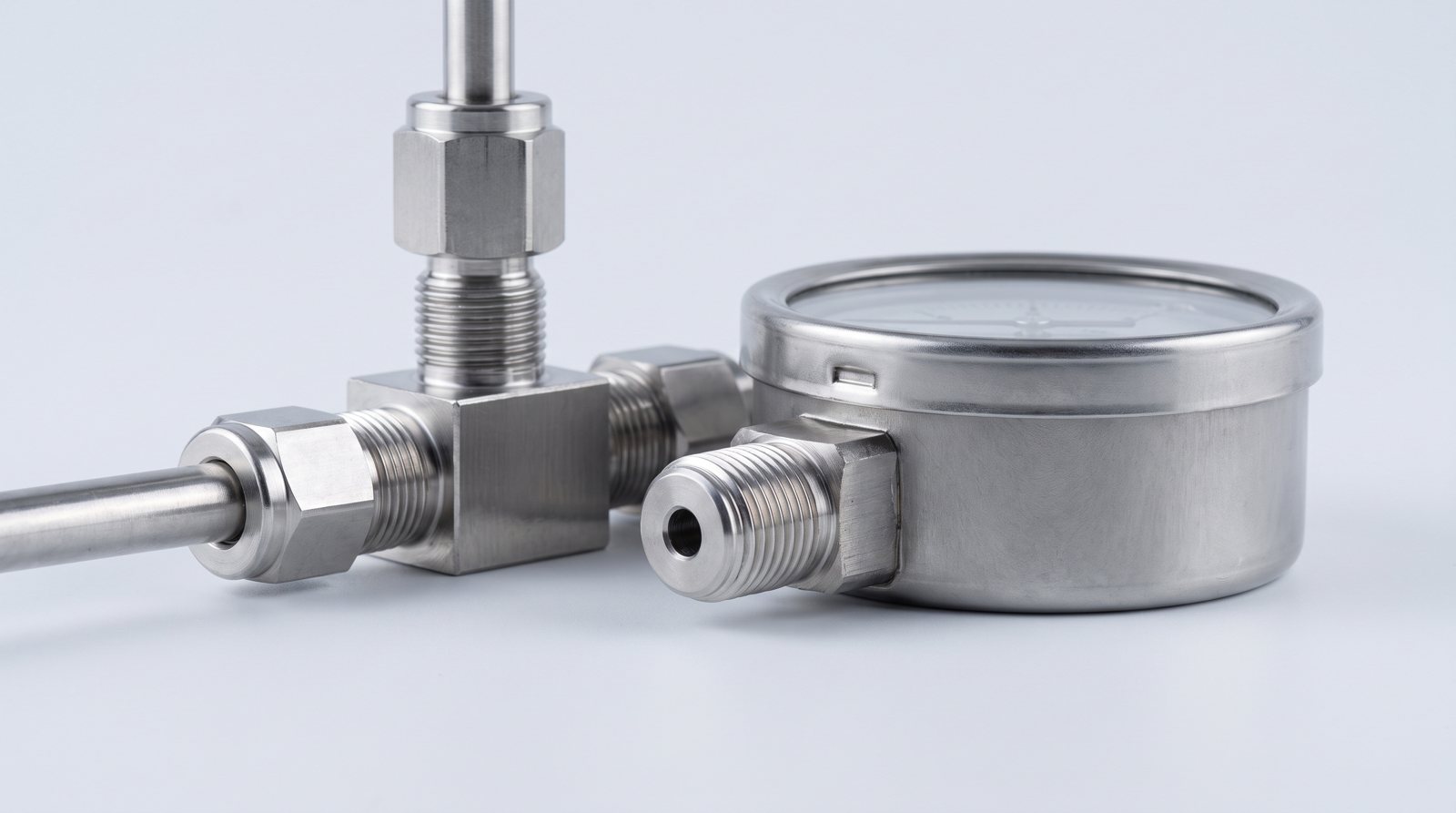
A published rating for a tube connection assumes two parts working together: a correctly made fitting and correctly sized tubing. The fitting grips and seals the tube. The tube holds back the internal pressure. When a system lets go at pressure, the tube almost always fails first through bulging, splitting, or blowing clear of the fitting. So the tube dimensions drive the number you rely on.
Three inputs set that number:
- Outside diameter (OD) of the tube.
- Wall thickness of the tube.
- Material and its allowable stress, such as annealed 316 stainless.
Manufacturers combine these three in tube data tables that list a suggested working pressure for each OD and wall pairing. Those tables build in a safety factor against the burst point of the tube, and they follow recognized piping codes. Working pressures for stainless tubing are worked out from allowable stress values in the ASME B31.3 Process Piping and ASME B31.1 Power Piping codes, so the numbers you read carry real engineering weight. Never estimate a rating from memory. Read it off the table for your exact tube, or call our team and confirm it for your service. Browse our instrumentation tubing and tube fittings when you are ready to match a set.
How does wall thickness change the working pressure?
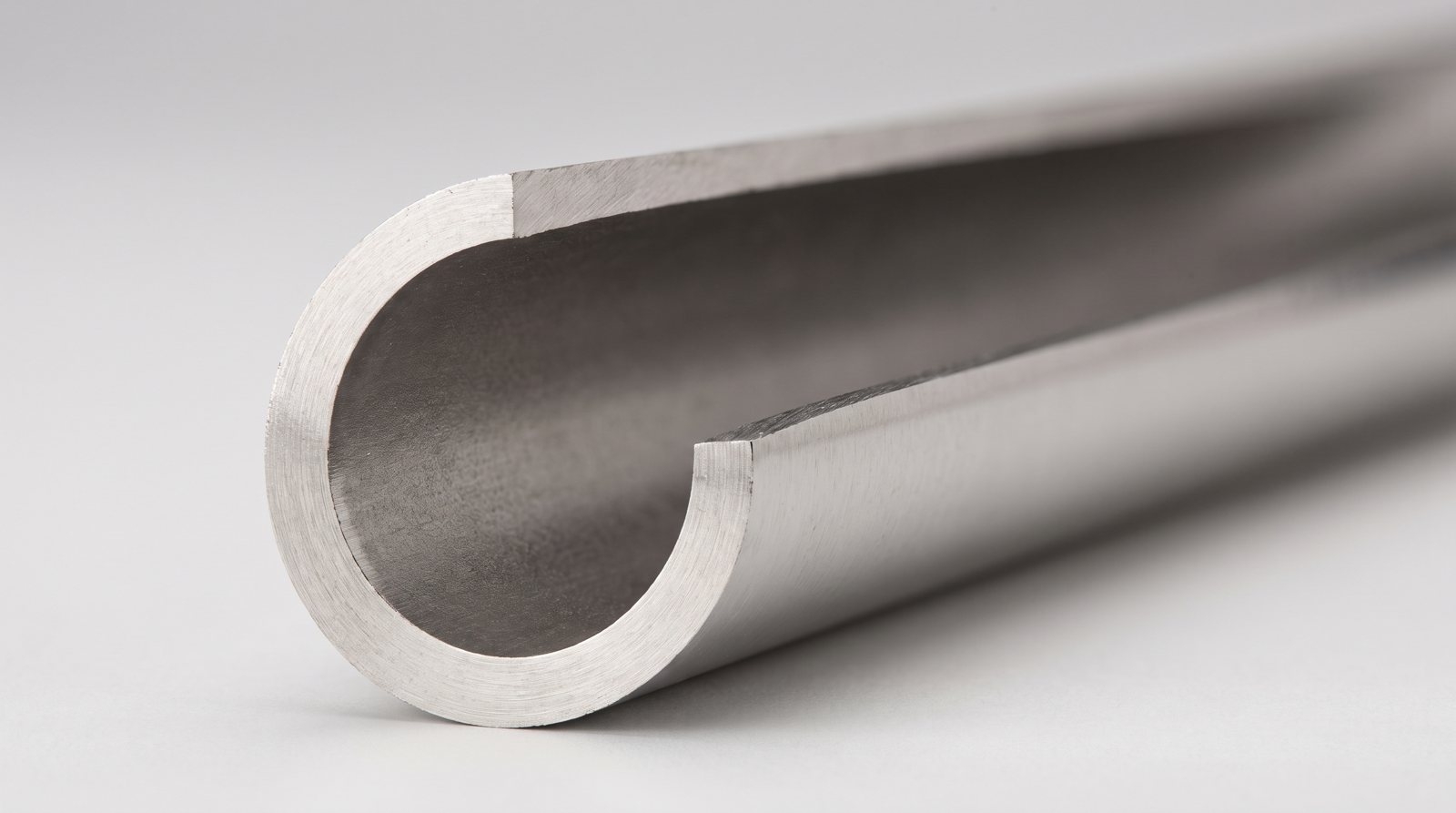
Thicker walls hold more pressure. Hold the OD steady and add wall, and the working pressure climbs, because more metal stands between your media and the outside world. Thin that wall and the rating drops fast.
Here is the mechanism. Internal pressure pushes outward on the tube wall and tries to stretch the metal apart. Engineers name that stretching force hoop stress. More wall thickness spreads the load across more material, so the stress on any slice of metal stays lower. Push the stress past what the material allows and the tube yields, then bursts. Add wall and you pull the stress back down into the safe zone.
The practical takeaway: when you need more pressure capacity at a given tube size, step up the wall thickness before anything else. A 1/2 in. tube with a heavy wall holds far more than the same 1/2 in. tube with a light wall. Manufacturer data makes the jump concrete. A 1/2 in. OD by 0.035 in. wall 316 stainless tube sits well below its heavier-wall sibling, while the 0.049 in. wall version carries about 2,800 psi at room temperature per published Swagelok tubing data. Same diameter, more wall, higher number.
Why does a larger tube OD lower the pressure rating?
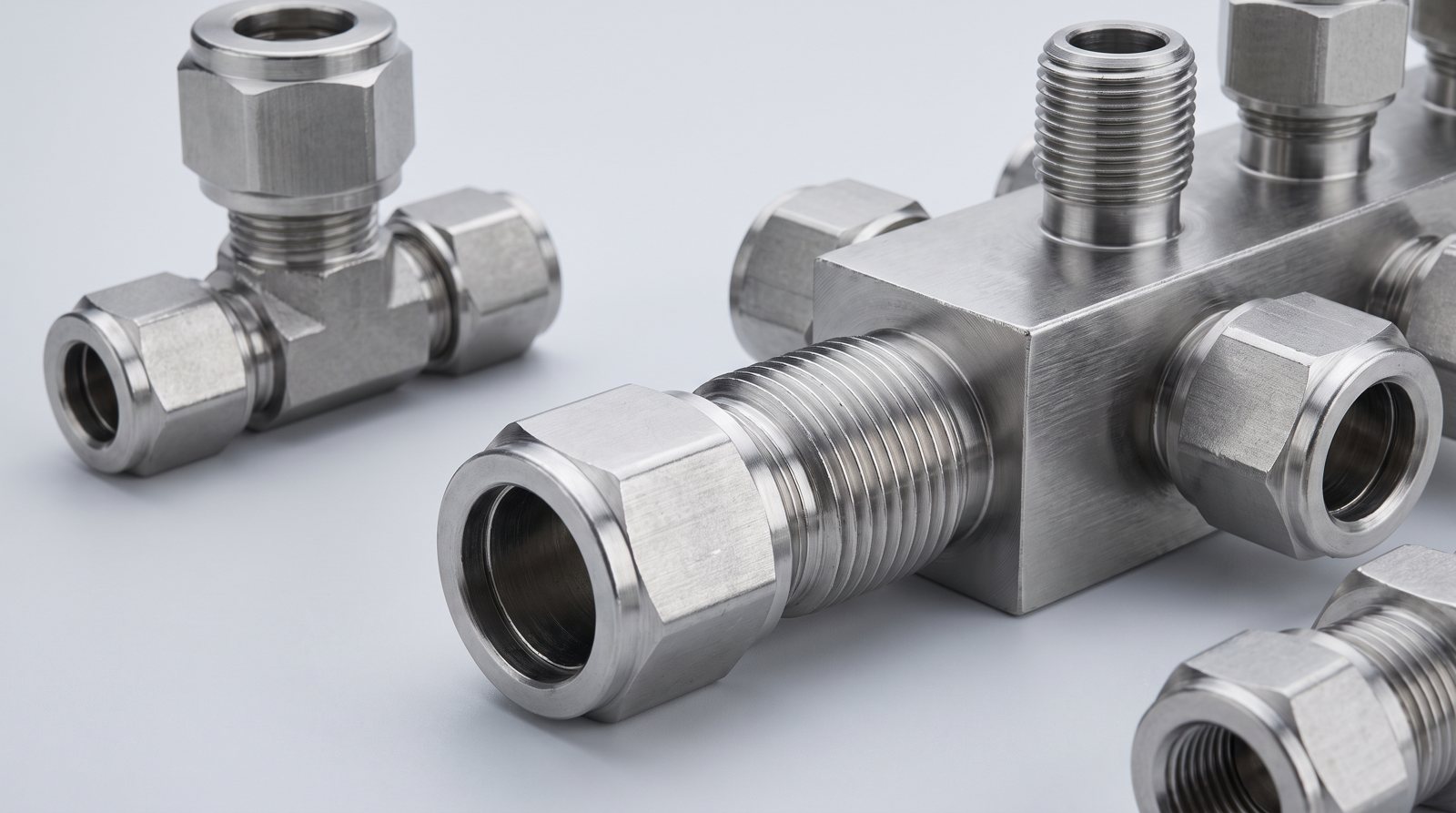
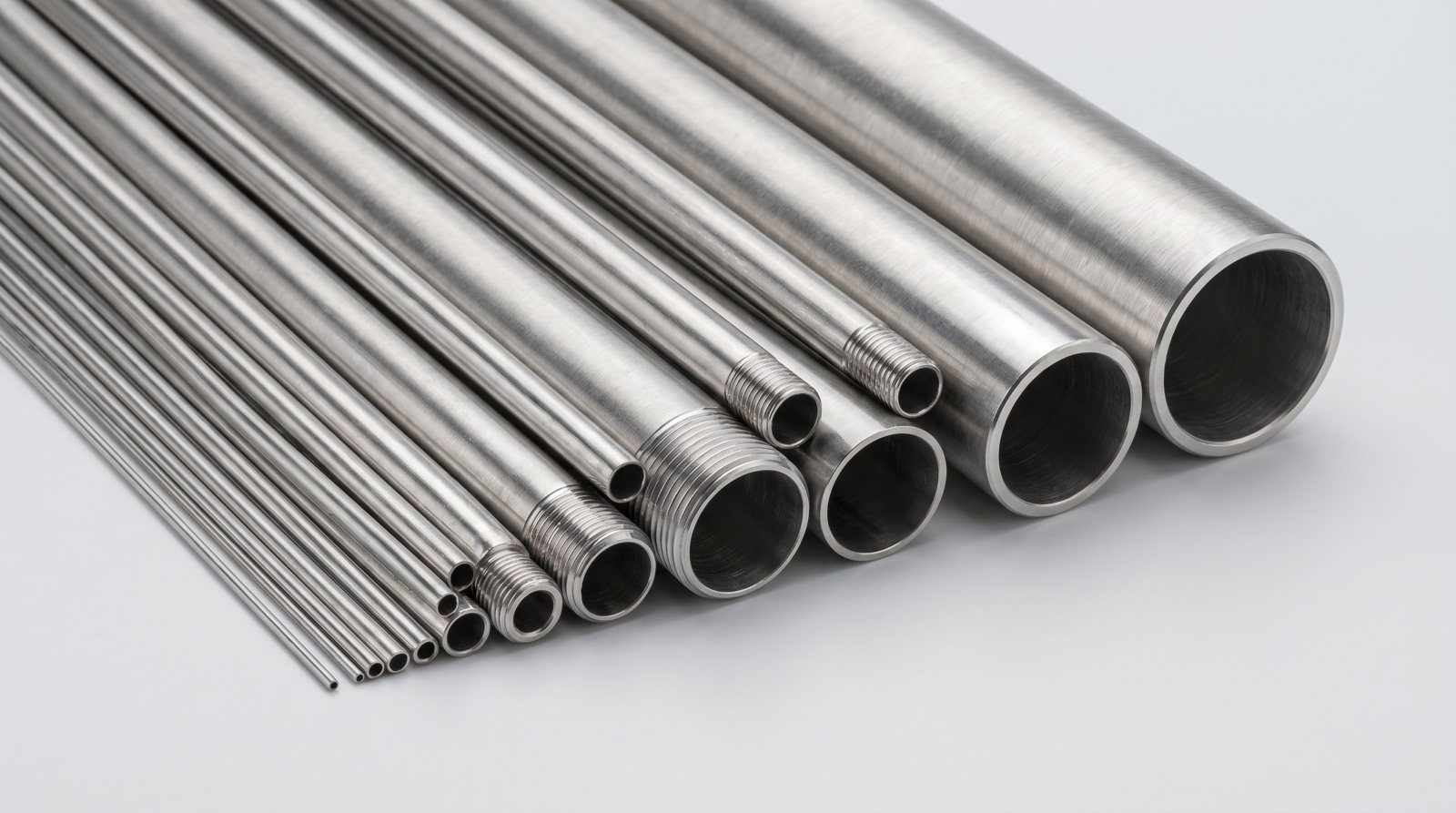
This one trips people up. For the same wall thickness, a larger diameter tube holds less pressure, not more. Bigger is not stronger here.
The reason lives in that same hoop stress. As diameter grows, internal pressure acts across a wider surface and pulls the wall apart with greater force. The wall now resists more load with the same amount of metal, so the working pressure falls as OD rises at a fixed wall. It is a direct trade.
You see the pattern in every tube data table:
- Small OD, given wall: higher working pressure.
- Large OD, same wall: lower working pressure.
- To keep pressure up on a larger tube: step up the wall thickness to compensate.
That is why a big-diameter line built for high pressure looks so thick-walled. The designer raised the wall to fight the diameter penalty. When you scale a line up in size, scale the wall with it or watch the rating slide out from under your design.
How do you read a tube fitting pressure rating table?
Tube data tables list working pressure by OD down the side and wall thickness across the top. Find your tube OD, move across to your wall thickness, and read the suggested working pressure. Follow these four rules so you read it right:
- Match the material. A 316 stainless table does not apply to carbon steel or a different alloy. Use the table built for your exact material.
- Match the temper. Fully annealed tubing behaves differently from hard-drawn tubing. The table states which temper it assumes.
- Derate for temperature. Metal loses strength as it heats. A 316 stainless line drops to about 77 percent of its room-temperature rating near 1,000 degrees F, so apply the temperature factor the manufacturer publishes.
- Confirm the fitting matches. The tube rating means nothing if the fitting or a downstream valve caps lower. The whole assembly rates to its weakest link.
Temperature deserves a second look, because hot service catches buyers off guard. A rating printed for 70 degrees F does not hold at 800 degrees F. The correction factors run from 1.00 at room temperature down through the 0.77 range as you climb toward 1,000 degrees F for 316 stainless. Multiply the room-temperature pressure by the factor for your operating temperature and you land on the real limit. Skip that step and you overrate the line by hundreds of psi.
When any input is uncertain, stop and confirm. Our team reads these tables every day and checks the right OD, wall, and temper against your operating conditions. Pair the right tube with the right instrumentation valves and the assembly holds as one rated system. Reach out through our contact page if you want a second set of eyes on a spec.
What mistakes cause tube fittings to fail at pressure?
Most pressure failures trace back to a short list of avoidable errors:
- Under-spec'd wall thickness for the pressure or diameter in play.
- Ignoring temperature derating, so a room-temperature rating gets used on a hot line.
- Mixing tube and fitting ratings without checking that both align.
- Using the wrong material or temper against a table built for something else.
- Scratched, out-of-round, or over-hardened tubing the ferrule will not seal or grip.
In our Baton Rouge warehouse we stock 316 stainless tube fittings and tubing across the common OD and wall combinations refineries run, so you match a rated pair off the shelf instead of settling for whatever is close. Spec the tube right and the connection rewards you with years of leak-free service. Cut the corner on wall thickness and you buy a slow weep or a sudden rupture. Do not gamble on your pressure ratings. Confirm them, then order with the numbers in hand.
Frequently Asked Questions
Does the fitting or the tube set the pressure rating?
Both parts matter, but the tube OD, wall thickness, and material usually govern the working pressure. A published rating assumes a correctly made fitting on correctly sized tubing. The assembly rates to its weakest component, so check every link in the line.
Why does thinner wall tubing hold less pressure?
Less metal stands against the internal pressure, so hoop stress in the wall rises. Higher stress drives the material toward yield and burst, so the safe working pressure drops as the wall gets thinner. Add wall to bring the stress back down.
Why does a bigger tube hold less pressure at the same wall?
Internal pressure acts across a larger surface as diameter grows, pulling the wall apart with more force. With the same wall thickness resisting more load, the working pressure falls. Step up the wall thickness on larger tube to compensate.
Do I need to reduce the rating for high temperature?
Yes. Metals lose strength as temperature climbs, so you derate the published pressure with the manufacturer temperature factors. A 316 stainless line near 1,000 degrees F holds roughly 77 percent of its room-temperature value. Never apply a room-temperature rating to a hot line without the correction.
What does a 1/2 inch stainless tube hold?
A 1/2 in. OD by 0.049 in. wall 316 stainless seamless tube carries about 2,800 psi at room temperature. Thin the wall to 0.035 in. and the rating drops well below that. Always read the exact figure from the data table for your OD, wall, and temper.
How do I find the exact rating for my tubing?
Read it from the manufacturer tube data table for your material, OD, wall, and temper, then derate for temperature. When any input is unclear, call our team and we confirm the working pressure for your application before you buy.
Confirm Your Tube Ratings with Collins-Oliver
Stop guessing at a pressure rating. Our team matches tube OD, wall thickness, and material to your operating conditions and confirms the working pressure before you order. Browse our instrumentation and pipe fittings or the wider resources library, then call (225) 922-9324 or (800) 247-5756 for a quote and build lines that hold.
About Collins-Oliver
Collins-Oliver, Inc. has distributed instrumentation tube fittings, valves, and tubing from Baton Rouge, Louisiana since 1986. As an authorized DK-LOK distributor serving Louisiana refineries, chemical plants, and process facilities, we match every fitting and tube to its rated service and confirm the numbers before you order. Call (225) 922-9324 for a quote.