by mark@spectralvision.media | Jul 15, 2026
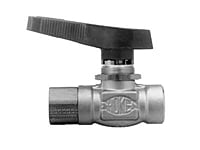
TL;DR Pick a valve by its job: on/off, throttling, or one-way flow. Ball valves give fast quarter-turn on/off with full bore and low pressure drop. Needle valves give fine, repeatable throttling of low flow rates. Check valves pass flow one way and block reverse flow...
by mark@spectralvision.media | Jul 15, 2026
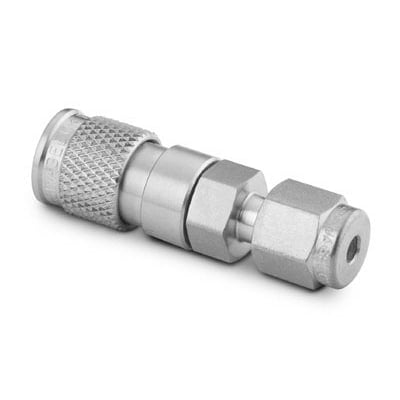
TL;DR Quick-connects join or separate a line by hand with no tools. Types include full-flow, single-shutoff (valved), and double-shutoff. Choose the body material (316 stainless or brass) and seal for your media. Confirm the coupling’s pressure and temperature...
by mark@spectralvision.media | Jul 15, 2026
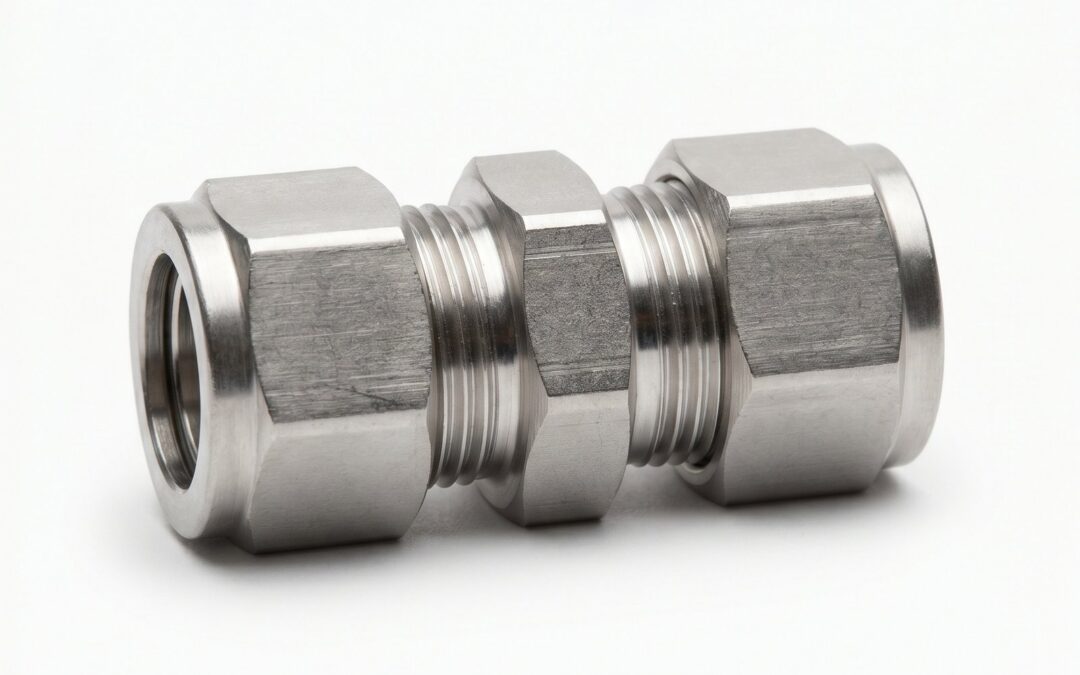
TL;DR316 and 316L are the default instrumentation grades; 316L lowers carbon for welding.Super duplex resists chloride pitting and stress-corrosion far better than 316.Alloy 20 is chosen for sulfuric acid and aggressive chemical service.Match the grade to the fluid,...
by mark@spectralvision.media | Jul 15, 2026
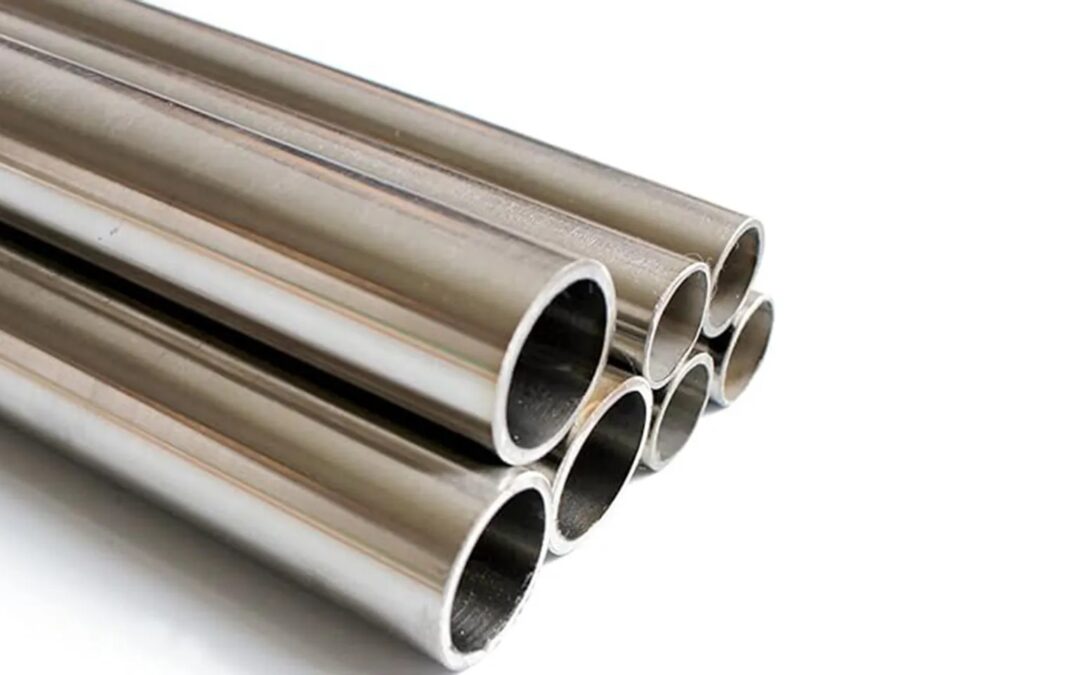
TL;DR Tube fittings are sized by tube outside diameter (OD), never the inside diameter. Fractional (1/16 in. to 2 in.) and metric (2 mm to 50 mm) fittings are not interchangeable. Measure the tube OD with calipers and match the fitting size exactly. Wall thickness is...
by mark@spectralvision.media | Jul 15, 2026
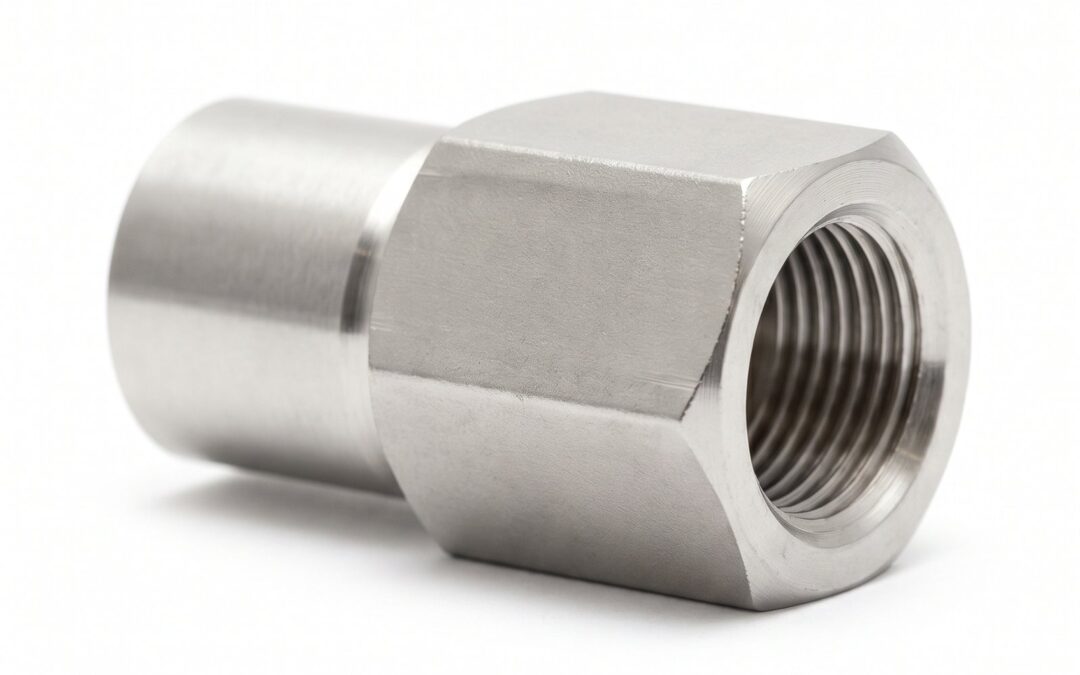
TL;DRWeld fittings join by welding for a permanent, leak-tight connection.Socket weld inserts the tube into a socket and fillet-welds it; simple and common.Butt weld aligns and welds the ends, best for high pressure and full-bore flow.Pipe weld and tube weld ends...
