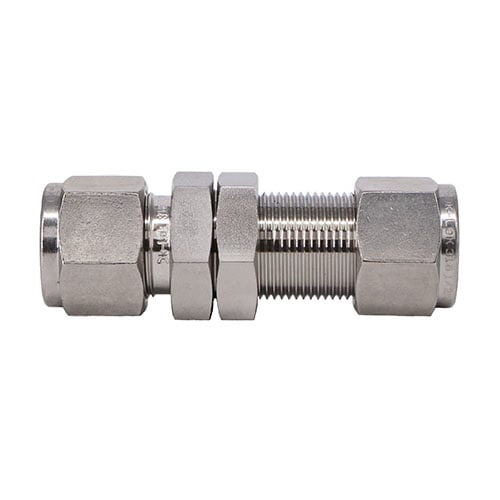
TL;DR
- Every brand encodes material, size, configuration, and connection style into the part number.
- Swagelok part numbers usually start with a material prefix (SS, B, S) followed by size and configuration codes.
- Parker uses a similar pattern with its own conventions: 6-6 ZHBZ-SS is a 3/8″ tube-to-tube union in 316 stainless.
- Decoding a SKU on the fly saves hours per outage when you need a substitute or a replacement.
- This guide breaks down the four major brands’ part-numbering systems with worked examples.
Why part numbers matter
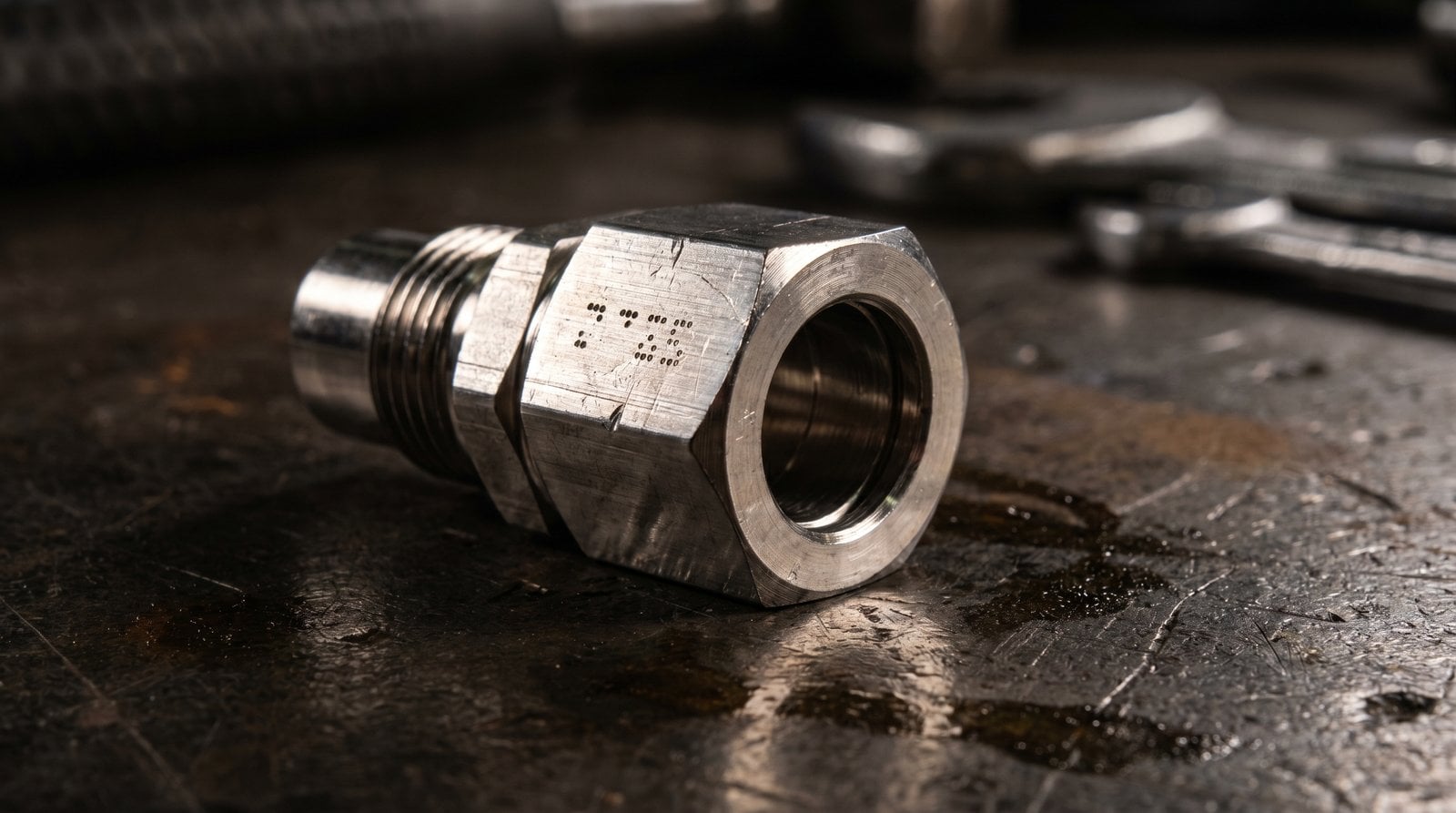
The number on the side of a fitting bag is the whole spec encoded into 8-15 characters. Material, size, configuration, connection style, and (sometimes) special features all live in the part number. Reading it correctly means you can order the right replacement without pulling the original off the line.
Reading it wrong means you order a substitute that looks right and fails on first pressure test. Plant maintenance teams routinely lose hours to part-number confusion. The fix is a simple working knowledge of the brand conventions.
Swagelok part numbers
Swagelok uses a position-based system. Each character or group encodes something specific.
Example: SS-810-6
- SS: Body material = 316 stainless steel
- 810: Size = 1/2″ tube OD (8 in 1/16″ increments)
- 6: Configuration = tube-to-tube union
Common Swagelok prefixes:
- SS = 316 stainless steel
- B = brass
- S = 316L for sour service
- M = Monel 400
- HC = Hastelloy C-276
- BR = bronze
- NY = nylon
Common configuration suffixes:
- -1 = male NPT pipe to tube
- -2 = female NPT pipe to tube
- -3 = tube tee
- -6 = tube union
- -9 = tube 90° elbow
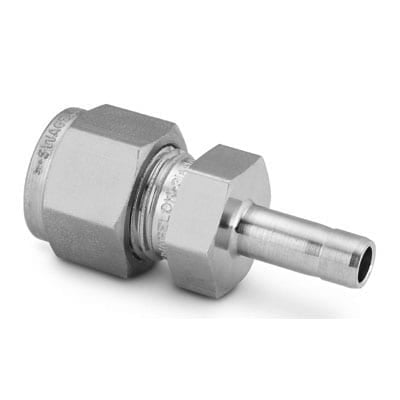
- -R = tube reducer
- -PC = port connector (no connection on one end)
Parker part numbers
Parker’s tube-fitting line (A-LOK, CPI) uses a different convention. The number leads with the size, followed by configuration codes, then material.
Example: 6-6 ZHBZ-SS
- 6-6: Size = 3/8″ tube on both ends
- ZHBZ: Configuration = tube-to-tube union (A-LOK series)
- SS: Material = 316 stainless steel
Common Parker size codes (1/16″ increments):
- 2 = 1/8″
- 4 = 1/4″
- 6 = 3/8″
- 8 = 1/2″
- 10 = 5/8″
- 12 = 3/4″
- 16 = 1″
Common Parker material suffixes:
- SS = 316 stainless steel
- B = brass
- HY = Hastelloy
- MON = Monel
- NACE = NACE-certified version (often combined: SS-NACE)
Hy-Lok part numbers
Hy-Lok mirrors Swagelok’s pattern closely. SS-prefix for material, numeric size in 1/16″ increments, configuration suffix.
Example: SS-810-3
- SS: 316 stainless
- 810: 1/2″ tube OD
- 3: Tube tee
For most cross-reference work, a Hy-Lok number reads similarly to its Swagelok equivalent. The geometries do not interchange — Hy-Lok ferrules will not seal in Swagelok bodies — but the SKU naming is similar.
SSP part numbers
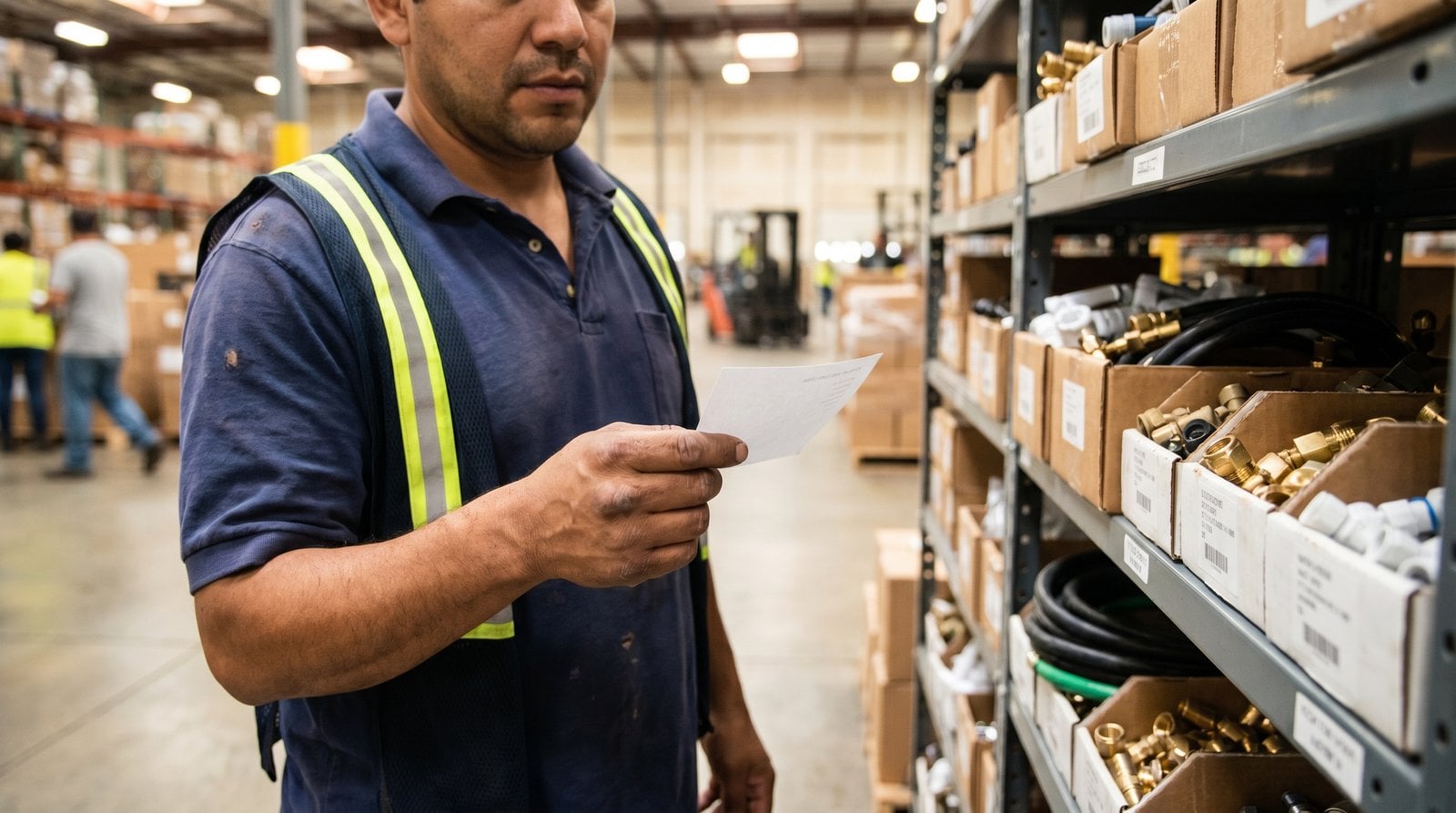
SSP uses a configuration-first naming pattern. The numbers identify the size and connection style. Material is encoded in a prefix or suffix.
Example: SSP-08FT-08FT-SS
- SSP: Brand prefix
- 08FT-08FT: 1/2″ fitting on both ends, female tube connection
- SS: 316 stainless steel
The four-step decode
- Identify the brand. First two or three characters usually identify the brand if the part number is from outside the body marking.
- Find the material prefix or suffix. SS, B, S, M, HC, etc. This tells you what alloy you are dealing with.
- Find the size code. Numbers in 1/16″ increments are the most common. 4 = 1/4″, 6 = 3/8″, 8 = 1/2″, 12 = 3/4″, 16 = 1″.
- Find the configuration code. Suffix or middle section. Encodes union vs tee vs reducer vs elbow.
Common decoding mistakes
- Confusing OD with NPT size on the same SKU. Most tube fittings carry both. The first size group is usually the tube OD, the second is the pipe thread.
- Assuming SS means the same alloy across brands. SS at Swagelok means 316. SS at some other manufacturers means 304. Verify on the spec sheet.
- Reading the size in 1/16″ vs decimal. Most brands use 1/16″ increments. A few use decimal sizing. Check the manufacturer’s catalog for the convention.
- Ignoring the special-features suffix. Suffixes like -OBS (obsolete), -BO (bag only), -NA (no anti-vibration ring) change the part materially. Read them.
Cross-brand substitution — when and how
Substituting across brands at the SKU level requires confirming three things: same OD, same alloy, same configuration. Even then, the ferrule and body do not interchange between Swagelok and Parker (or any other brand pair). Substituting works at the assembly level — different brand for the entire fitting — never at the component level.
For most plants, brand discipline matters more than substitution. If the original system runs Swagelok, the replacement runs Swagelok. Cross-brand substitution happens only at full assembly replacement, with documentation, and with leak testing on installation.
Need help decoding a part number or finding a replacement? Call Collins-Oliver. We carry 19,000+ part numbers across Swagelok, Parker, Hy-Lok, SSP, and other major brands — same-day shipping on in-stock items.