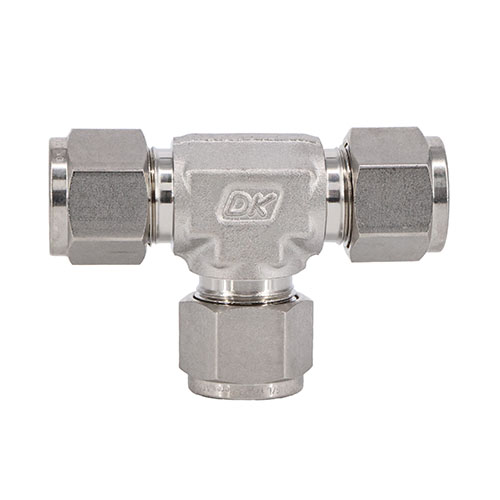
Three valves show up in almost every instrumentation system, and each one does a different job. Knowing the difference in a ball valve vs needle valve vs check valve saves you from the classic mistake: dropping in the wrong valve, then wondering why your line will not throttle, why a shutoff drips, or why media runs backward into your instrument. A ball valve switches flow on and off. A needle valve fine-tunes it. A check valve stops it from reversing. Match the valve to the task and your line behaves the way you designed it. This guide helps you pick right the first time and protect the instruments downstream.
TL;DR
- A ball valve gives you quarter-turn on/off isolation with low pressure drop when fully open.
- A needle valve gives you slow, repeatable throttling for purge, bleed, and sample lines.
- A check valve enforces one-way flow and opens at a set cracking pressure to block backflow.
- The three valves cooperate: many instrument hookups isolate with a ball valve, throttle with a needle valve, and guard with a check valve.
- Match end connections, body material, and pressure rating to your service before you order.
Quick Answer
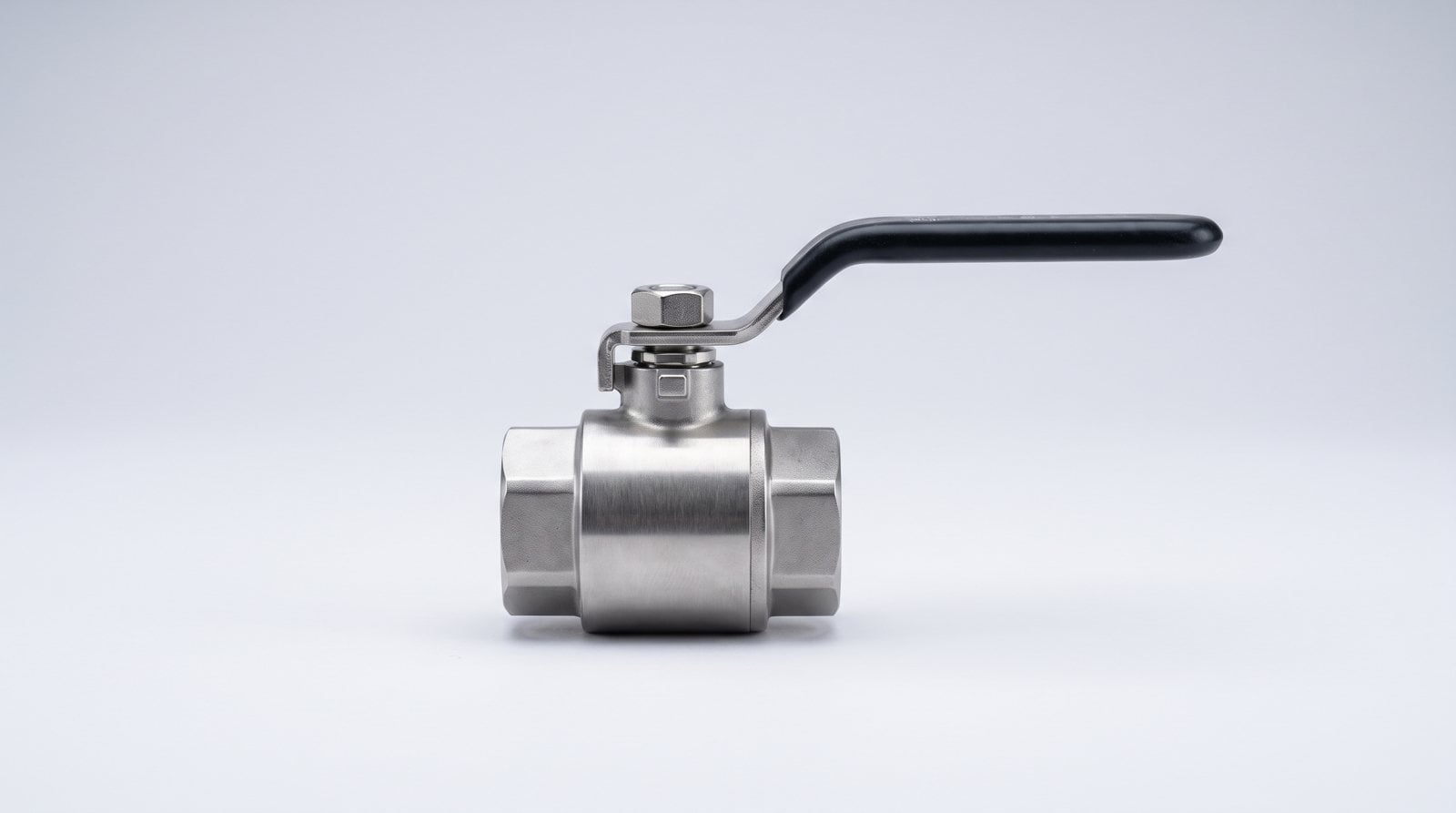
A ball valve isolates a line with a quarter-turn on/off action. A needle valve throttles low flow with a fine tapered stem for precise, repeatable control. A check valve allows flow in one direction only and reseats to stop backflow once forward pressure drops below its cracking pressure. Pick the valve by the job: shut off, throttle, or block reverse flow.
What does a ball valve do best?
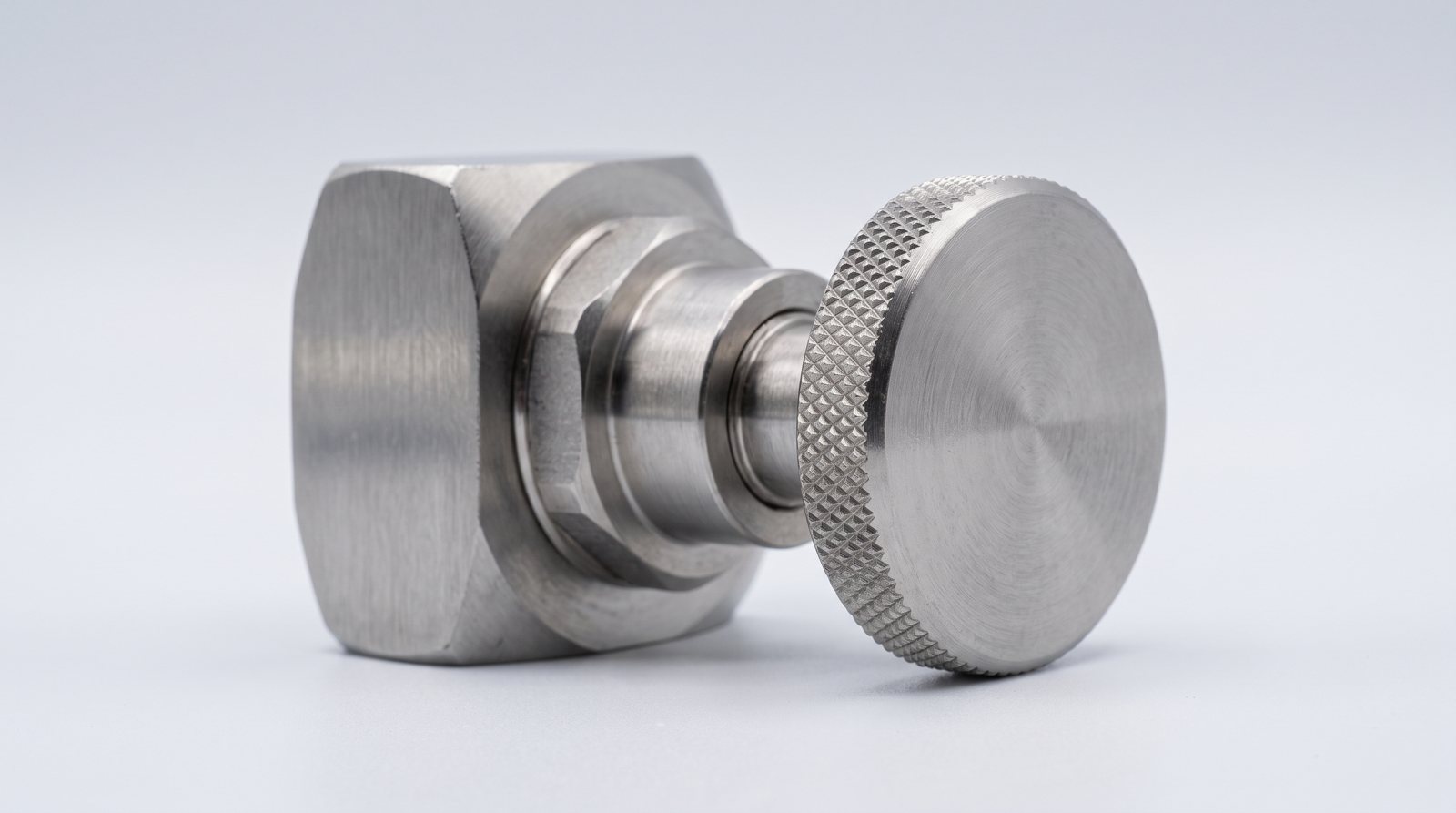
A ball valve controls flow with a drilled sphere that rotates a quarter turn. Line the bore up with the flow and you get a full-open path. Turn the handle 90 degrees and the solid face of the ball blocks the line for a tight shutoff. That quick, positive action makes the ball valve your first choice for on/off isolation.
Reach for a ball valve when you want to:
- Isolate a line fast with one quarter-turn of the handle.
- Keep flow restriction low at full open, thanks to the straight-through bore.
- Read valve status at a glance, since the handle position shows open or closed.
- Shut off with confidence before you service an instrument or break a line.
What a ball valve does poorly is throttle. Run it half open to trim flow and you get rough, unpredictable regulation, and you chew up the seats. Keep it for on or off, not for fine adjustment. When you need to isolate an instrument for calibration or removal, a ball valve earns its place on the manifold.
What does a needle valve do best?
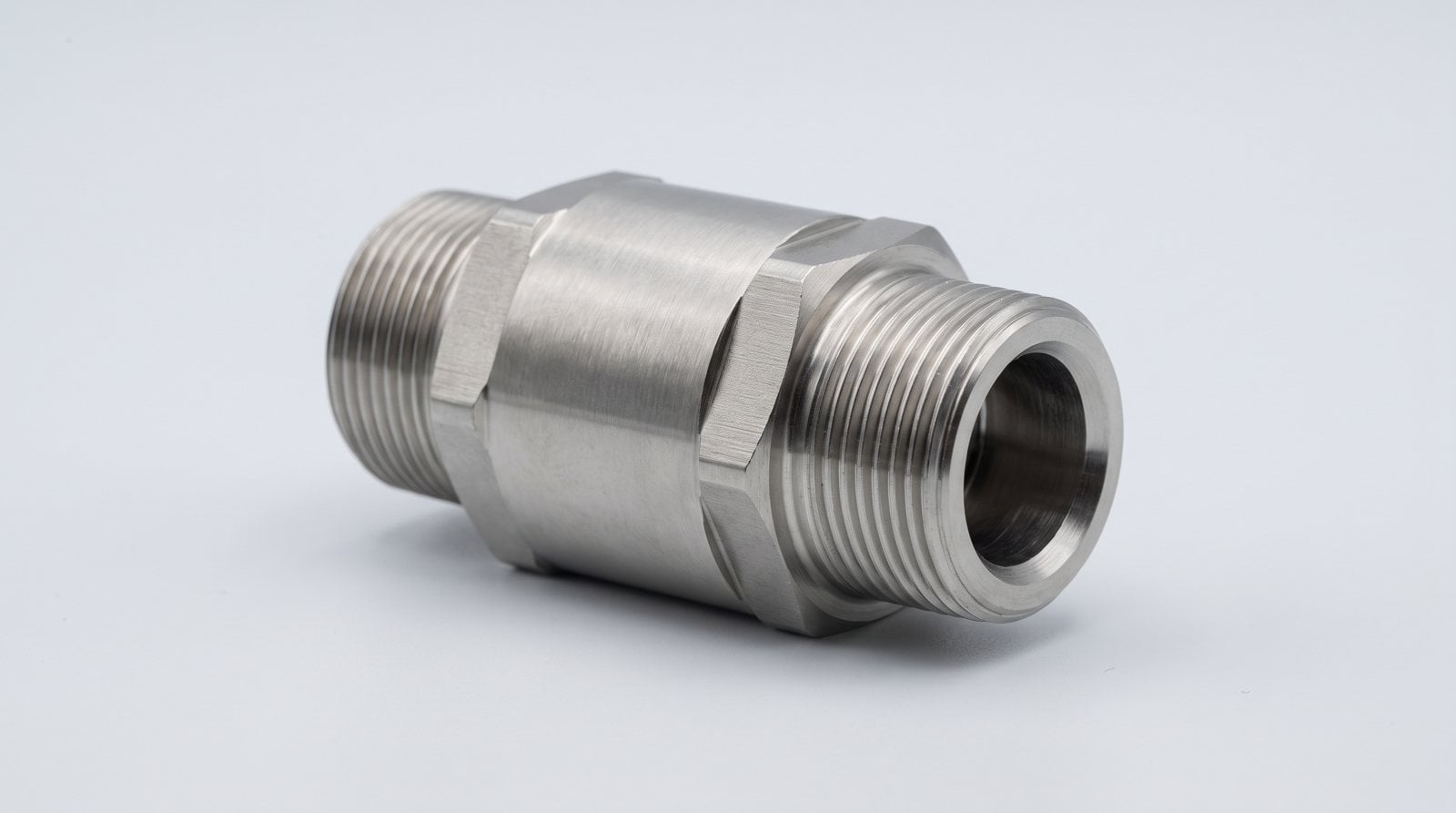
A needle valve controls flow with a fine-threaded, tapered stem that eases into a matching seat. Turn the handle and the stem advances slowly, opening or closing a small, precise gap. That geometry hands you gradual, repeatable control over flow rate, which is why needle valves anchor sampling, purge, and calibration lines.
Reach for a needle valve when you want to:
- Throttle flow with precision, such as setting a purge, a bleed, or a sample rate.
- Meter small volumes with fine, sensitive adjustment.
- Protect delicate instruments by easing pressure onto a gauge instead of slamming it.
- Hold a setting you dial in once and leave in place.
The trade-off: a needle valve restricts flow even wide open, so it fits low-flow control rather than high-volume isolation. It also takes several turns to open or close, which makes it slow for quick shutoff. Put it where control matters more than speed.
What does a check valve do best?
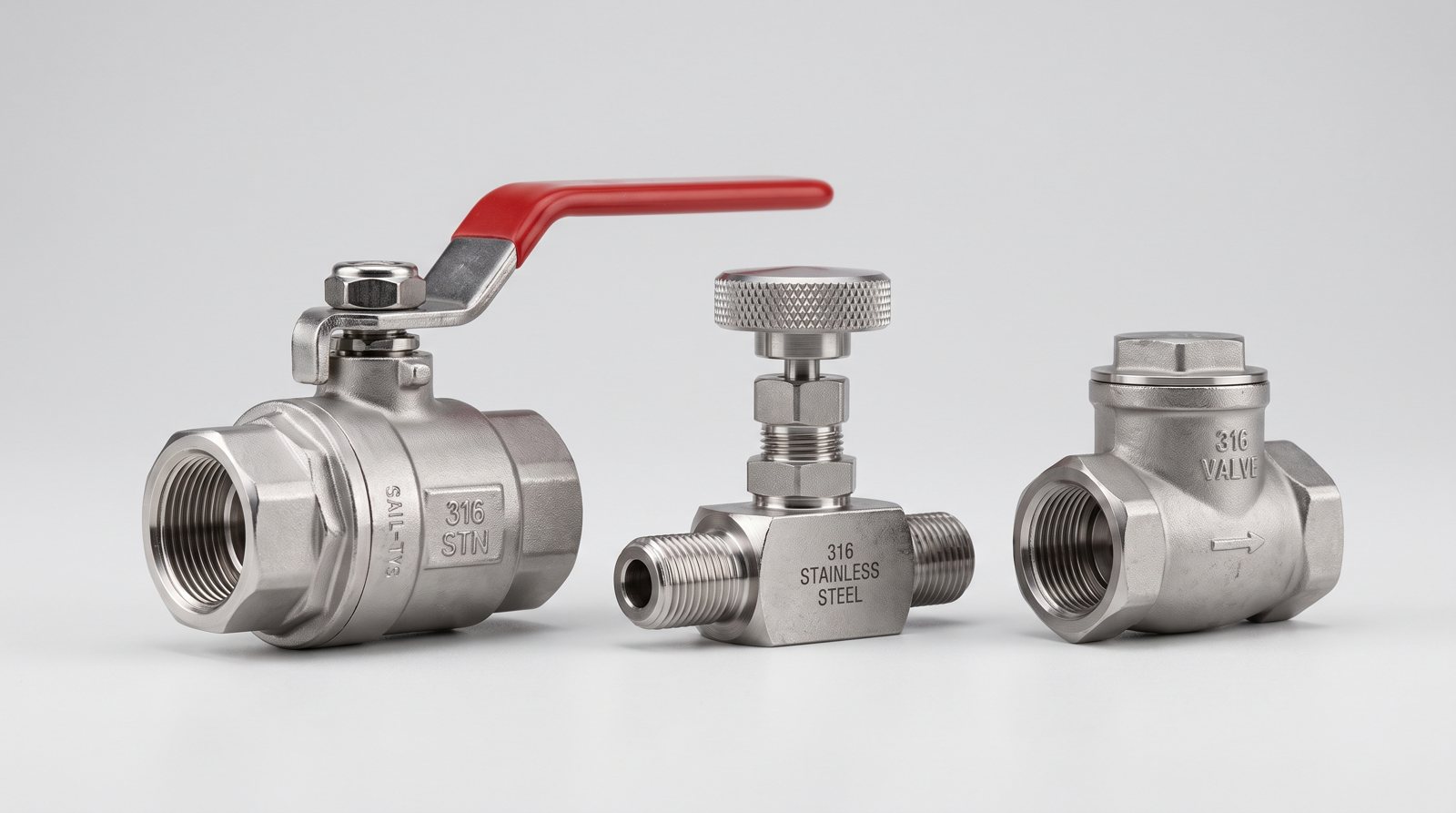
A check valve enforces one-way flow. It opens when media moves in the intended direction and closes on its own the moment flow tries to reverse. No handle. No operator. The valve works from the flow and pressure in the line. On spring-loaded poppet designs, the valve opens only once forward pressure passes a set point called the cracking pressure, then reseats when pressure falls below it.
Reach for a check valve when you want to:
- Block backflow that would contaminate media or damage equipment.
- Protect a pump or instrument from reverse pressure.
- Keep systems separated so one line will not feed backward into another.
- Set a cracking pressure that matches your normal forward flow.
Cracking pressure is a spec you select, not a guess. As a reference point, Swagelok poppet check valves ship with fixed cracking pressures near 1 psig and adjustable models set from roughly 3 to 50 psig. Remember the limit: a check valve controls direction, not flow rate, and it gives you no manual shutoff. It works alongside ball and needle valves rather than replacing either one.
How do these three valves compare side by side?
| Feature | Ball Valve | Needle Valve | Check Valve |
|---|---|---|---|
| Primary job | On/off isolation | Precise throttling | One-way flow |
| Actuation | Quarter-turn handle | Multi-turn handle | Automatic, no handle |
| Flow control | Poor when partly open | Excellent, fine control | Not adjustable |
| Flow restriction when open | Low | Higher, by design | Moderate |
| Speed of operation | Fast | Slow | Instant, self-acting |
| Best use | Shutoff and isolation | Metering, purge, bleed | Backflow prevention |
Look at the table and the division of labor stands out. These valves do not compete. They cooperate. A well-built instrument hookup often uses all three: a ball valve to isolate, a needle valve to throttle, and a check valve to guard against reverse flow.
How do you choose the right valve for your line?
Start with one question: what do you need the valve to do?
- Turn flow fully on or off? Choose a ball valve.
- Dial flow in and hold it? Choose a needle valve.
- Stop flow from running backward? Choose a check valve.
Then lock down the details that make the valve fit: tube or thread end connections, body material for your media, and the pressure and temperature your line will see. Never guess a rating. For corrosive, high-pressure, or high-purity service, spec the material and rating for that duty and confirm it before you order. In our Baton Rouge warehouse we stock ball, needle, and check valves across more than a dozen end connections, from 1/8 inch tube up to 1 inch and common NPT ports, so your hookup ships complete. Our team walks through each choice with you so the valve matches the job and the manifold goes together clean. Browse our instrumentation valves or send us the line details through our contact page.
Where do these valves work together in one hookup?
Picture a pressure gauge tied into a live process header. You want to isolate the gauge for service, ease pressure onto it during startup, and keep process media from surging back into the loop. One valve will not cover all three duties. A ball valve at the header gives you fast isolation. A needle valve downstream lets you bring pressure onto the gauge slowly so you protect the movement. A check valve blocks any reverse surge that would push media the wrong way.
That layered approach shows up across refineries and chemical plants: isolate, throttle, protect. Each valve holds its own job, and the assembly stays serviceable for years. DK-LOK builds all three valve families to the same body and end-connection standards, so they thread into a common manifold without adapters. You will find more selection help in our resource library, and the full DK-LOK line detail at dklokusa.com.
Frequently Asked Questions
Should you use a ball valve to throttle flow?
No. A ball valve regulates poorly when partly open and wears its seats in that position. Use a ball valve for fast on/off isolation, and reach for a needle valve when you need precise flow control.
What is the difference between a needle valve and a ball valve?
A needle valve uses a fine tapered stem for gradual, precise throttling over several turns. A ball valve uses a quarter-turn sphere for quick, full on/off isolation. One meters flow; the other switches it.
Does a check valve replace a shutoff valve?
No. A check valve blocks backflow on its own and gives you no manual control. You still need a ball valve to isolate the line for service. The two work together in most instrumentation hookups.
What is cracking pressure on a check valve?
Cracking pressure is the minimum forward pressure that opens a spring-loaded check valve. You select it to match your line so the valve opens on normal flow and reseats when flow drops. Call Collins-Oliver to confirm the right cracking pressure for your service.
Will one instrument hookup use all three valve types?
Yes, and many do. A ball valve isolates the line, a needle valve throttles or bleeds flow, and a check valve blocks reverse flow. Each handles a distinct job in the same assembly.
Which materials do these valves come in?
Instrumentation ball, needle, and check valves come in 316 stainless steel, brass, and alloy bodies for corrosive or high-purity duty. Match the body and seat material to your media, pressure, and temperature before ordering.
Pick the Right Valve with Collins-Oliver
Stop second-guessing your valve choices. Collins-Oliver has supplied instrumentation ball, needle, and check valves to refineries, chemical plants, and power generators since 1986. As your authorized DK-LOK distributor in Baton Rouge, Louisiana, we match every valve to your flow, media, and pressure rating. Call (225) 922-9324 or (800) 247-5756 for a quote, and get the valve your line needs.
About Collins-Oliver
Collins-Oliver, Inc. has distributed instrumentation tube fittings, valves, and tubing from Baton Rouge, Louisiana since 1986. As an authorized DK-LOK distributor serving Louisiana refineries and process plants, our team helps you spec the right component for corrosive, high-pressure, and high-purity service. Call us at (225) 922-9324 for expert help with your next valve selection.