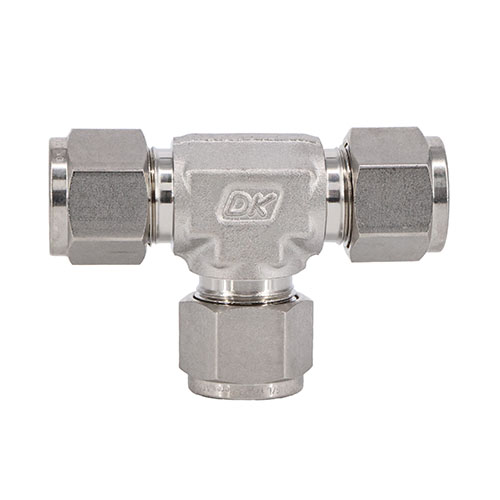
Ever fought to run a tube line neatly through a panel and land it where your operators reach it fast? Bulkhead tube fittings solve exactly that problem. A bulkhead fitting mounts through a hole in a panel, wall, or enclosure and locks in place, giving you a clean, sealed pass-through with a serviceable connection on each side. Spec them right and your instrumentation panels look professional, stay leak-tight, and service in minutes. This guide shows you when and why to reach for a bulkhead connection, how to install one, and what to confirm before you order.
Quick Answer
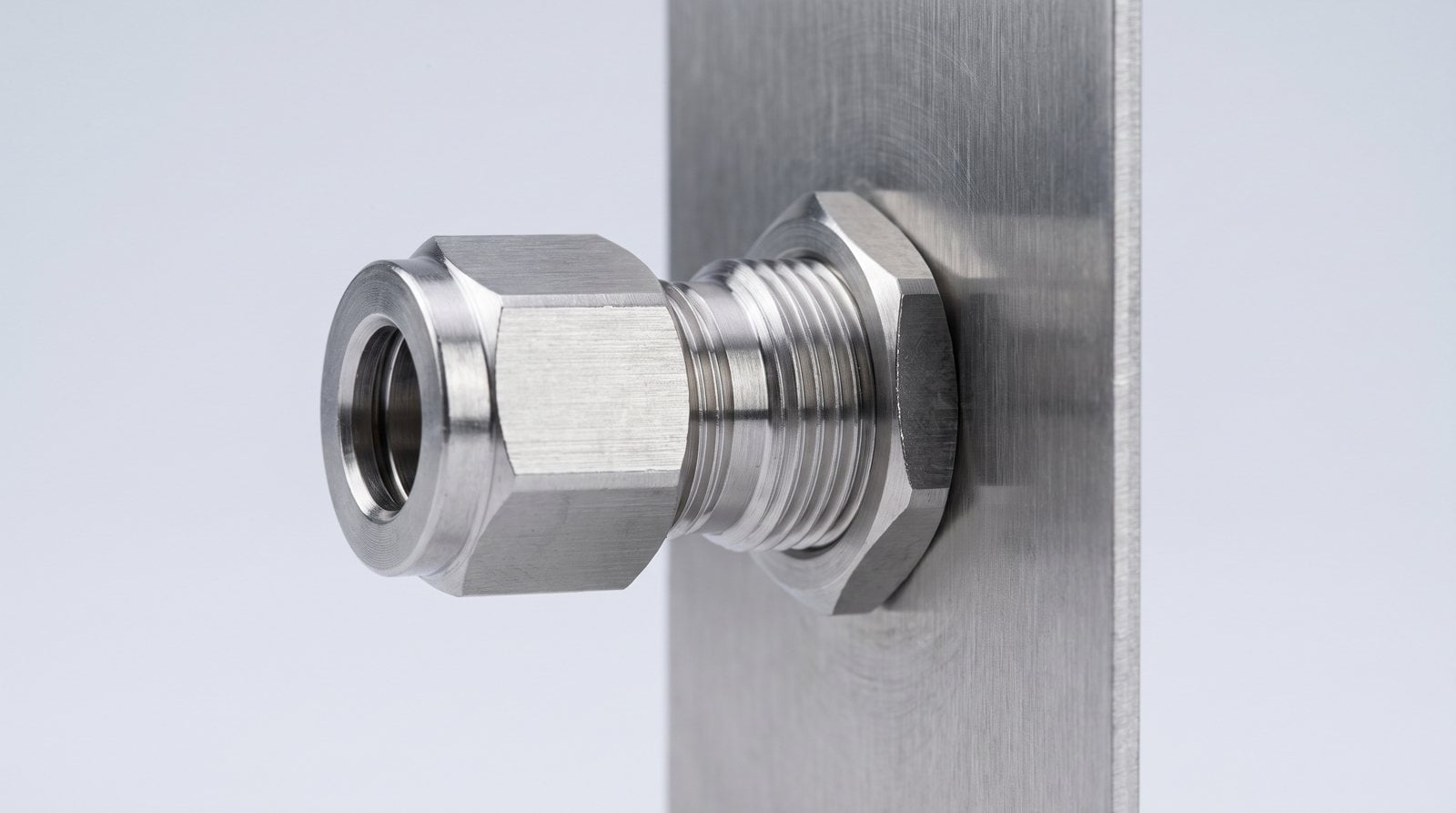
Use a bulkhead tube fitting whenever a tube line passes through a panel, wall, or enclosure and needs to stay anchored. A locknut clamps the fitting body to the panel, so the panel carries the load instead of the tubing. That anchoring delivers strain relief, vibration resistance, and an organized, serviceable termination point. Standard fittings float on the tube. Bulkhead fittings lock to the barrier, which is why instrumentation designers specify them on nearly every panel build.
TL;DR
- A bulkhead fitting threads through a drilled hole and a locknut traps the panel between the nut and a shoulder on the body.
- The panel carries the mechanical load, so pulls and vibration transfer to the panel instead of the tube seal.
- Best uses: control-cabinet pass-throughs, gauge and instrument panels, skid boundaries, vessel walls, and high-vibration equipment.
- Bulkhead fittings come as unions, male connectors, elbows, tees, and reducers, and they hold the same working pressure as the matching standard fitting.
- Confirm five details before ordering: tube OD each side, panel thickness, end configuration, material, and the pressure and temperature the line will see.
What is a bulkhead tube fitting?
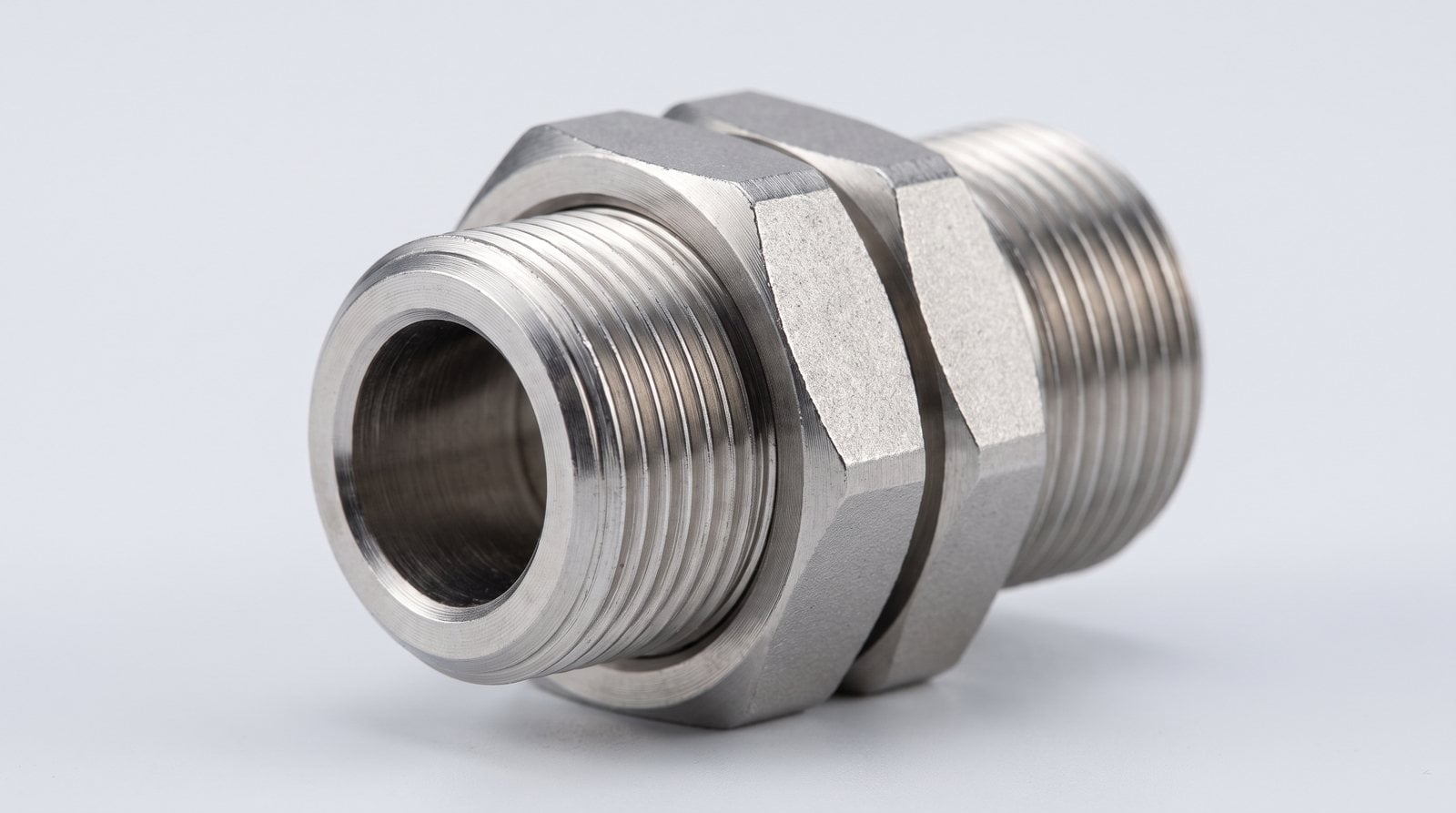
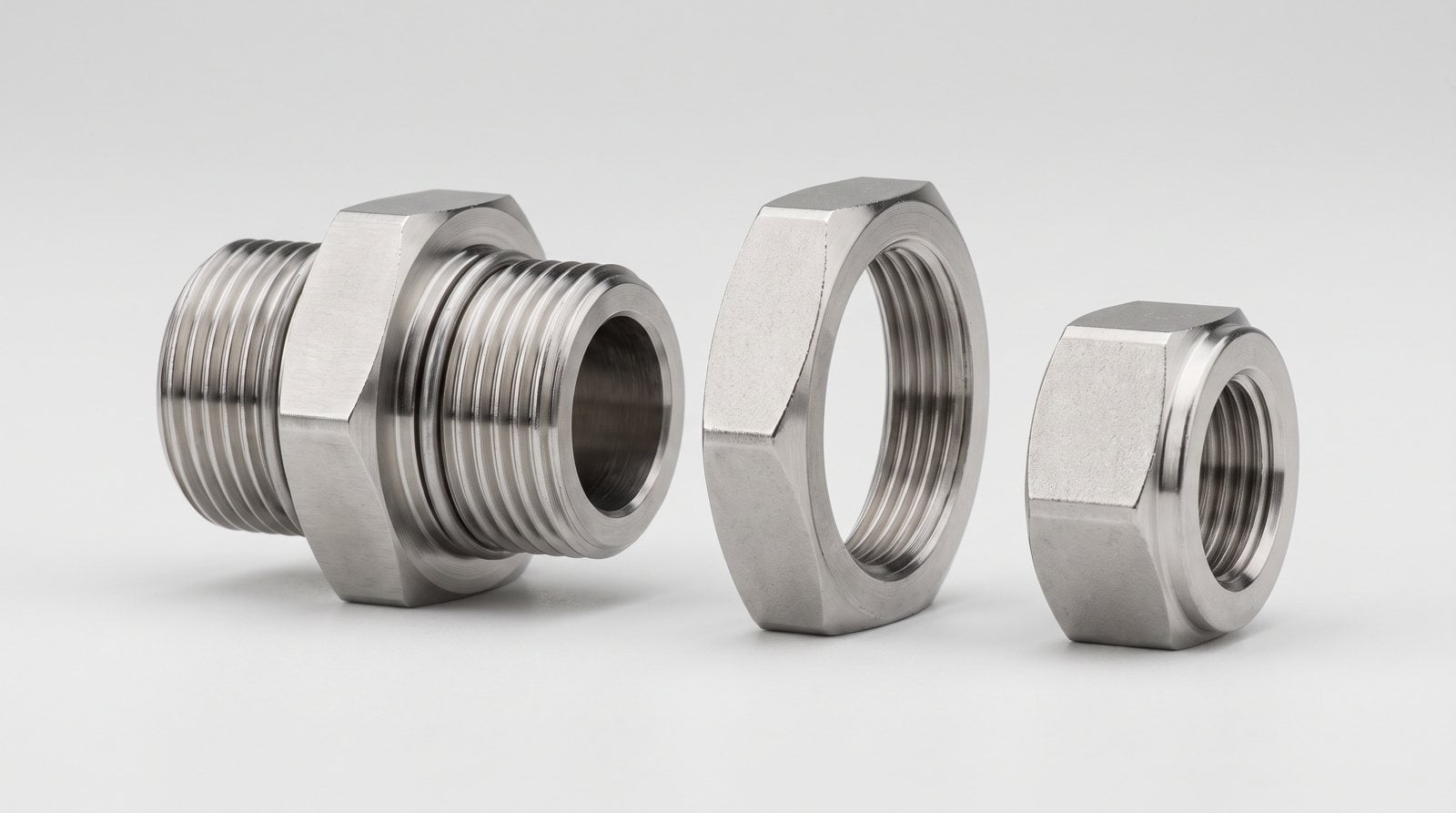
A bulkhead fitting is a tube fitting with an extended body and a locknut that clamps it to a panel. You drill a hole, pass the body through, and thread the locknut on the far side to trap the panel between the nut and a shoulder on the fitting. The result is a rigid, anchored connection point carrying tube on one or both sides. It turns a floating tube run into a fixed interface.
You will find bulkhead fittings in several forms:
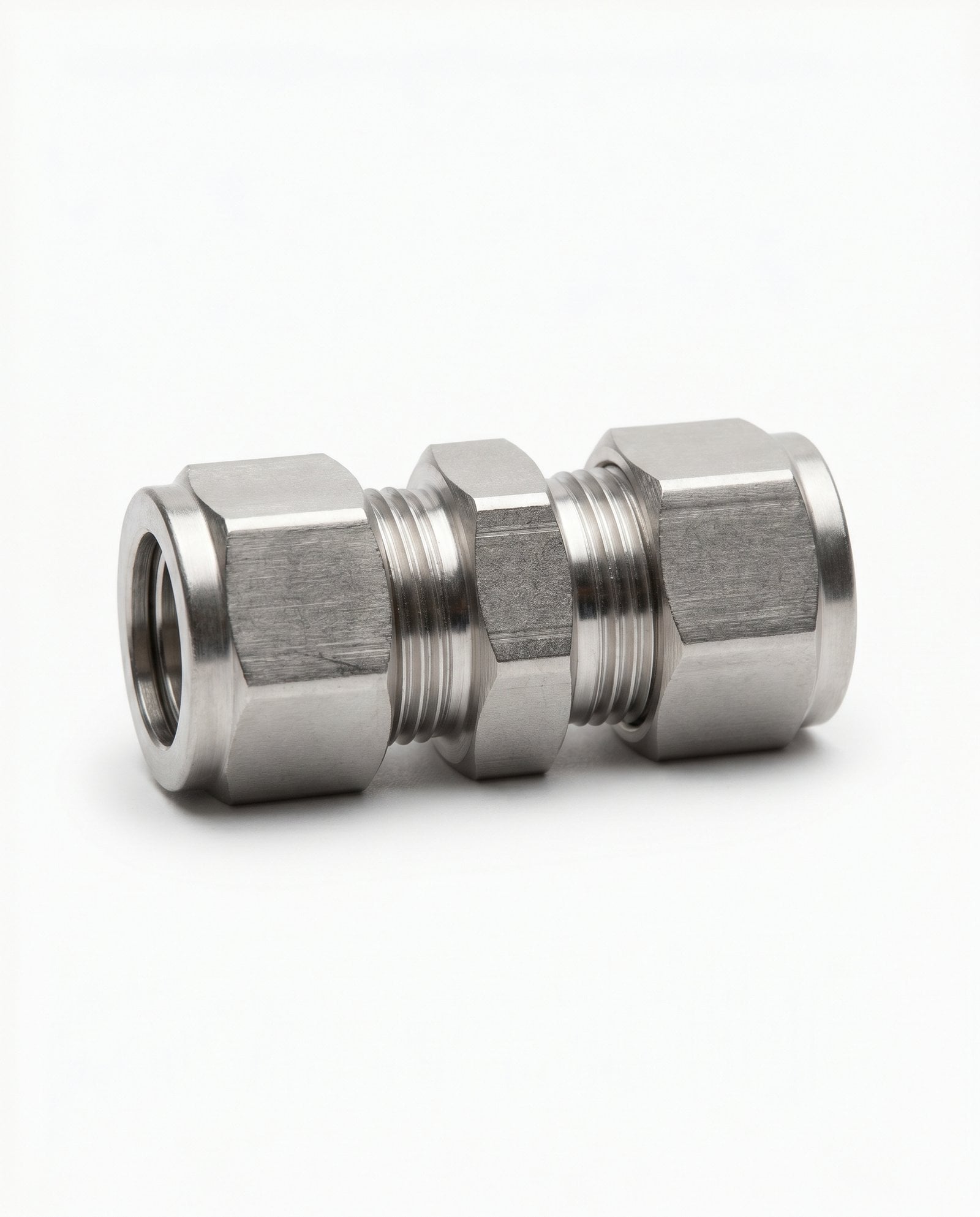
- Bulkhead unions connect tube to tube through the panel.
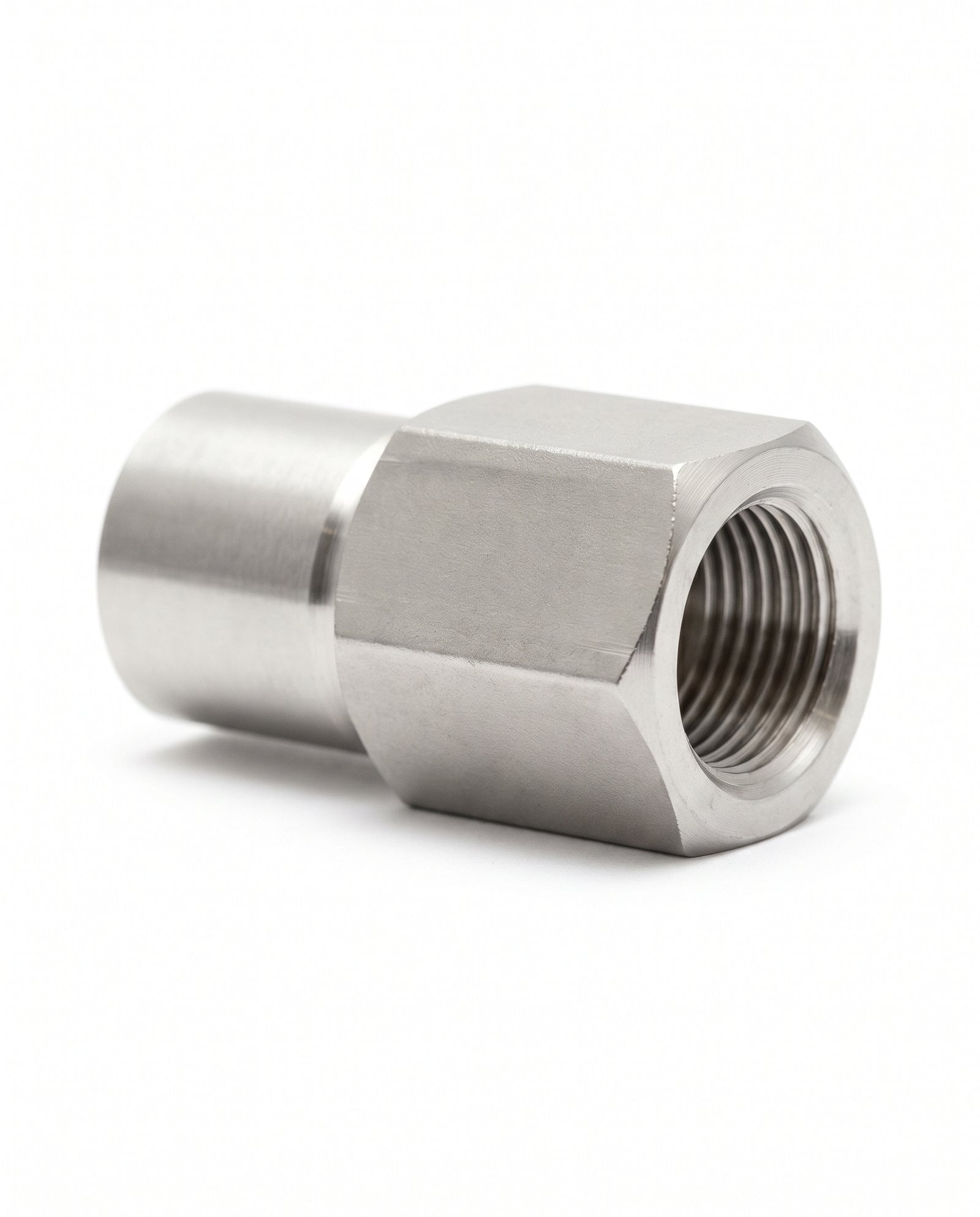
- Bulkhead male connectors transition to a threaded port on the other side.
- Bulkhead elbows and tees redirect flow right at the panel.
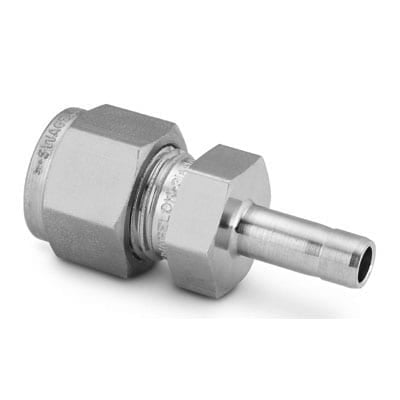
- Bulkhead reducers pass through and change tube size in one part.
Each version keeps the same core benefit: the fitting anchors to the panel, so the connection does not lean on the tubing to hold its position. The purpose is spelled out by the manufacturers themselves. Bulkhead fittings are built to make a connection between two sides of a partition and secure the pass-through against movement, as Swagelok documents for its bulkhead line. We stock DK-LOK bulkhead fittings as an authorized distributor, so the ferrule geometry and thread quality meet the spec your system demands. See the current range on our tube fittings page.
When should you use a bulkhead fitting?
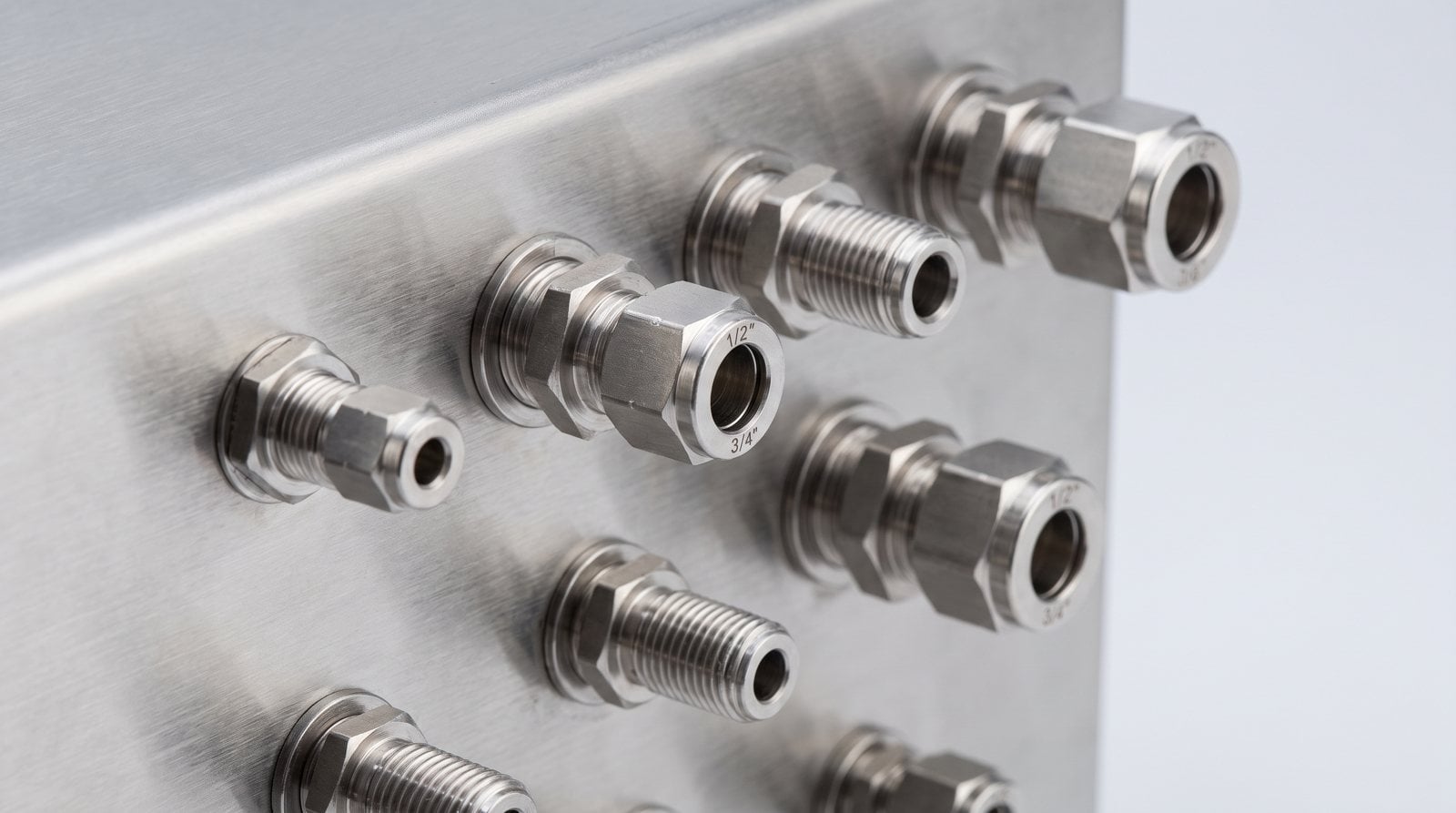
Reach for a bulkhead connection whenever a tube run passes through a barrier and needs to stay organized. The strongest cases include:
- Panel and enclosure pass-throughs. Route tubing from inside a control cabinet to the outside without stressing the tube at the wall.
- Instrument and gauge panels. Give every line a fixed, labeled termination point operators identify at a glance.
- Skid and cabinet boundaries. Define a clean connection interface where one assembly meets another.
- Vessel and tank walls. Take a sample or sensor line through a wall with a secure, sealed anchor.
- High-vibration equipment. Anchor the line so cyclic motion does not work the connection loose.
If a connection needs to stay put, resist vibration, and stay reachable for service, a bulkhead fitting earns its place. On a refinery skid where pumps and compressors shake every line all shift, that fixed anchor is the difference between a panel that holds for years and one that weeps at every fitting inside a season.
Why choose a bulkhead over a standard tube fitting?
A standard fitting floats on the tubing. It goes wherever the tube runs, and the tube carries the load. A bulkhead fitting flips that relationship. The panel carries the load, and the tube simply connects. That shift delivers real advantages:
- Strain relief. The locknut anchors the fitting, so pulls and bumps on the tube transfer to the panel instead of the seal.
- Vibration resistance. A fixed anchor point stops the connection loosening under cyclic movement, a documented benefit of a properly mounted bulkhead pass-through.
- Organized routing. Every line lands at a predictable spot, which makes panels quick to read and quicker to troubleshoot.
- Serviceability. You disconnect tubing on either side without disturbing the panel or the opposite connection.
- A defined interface. Bulkheads mark the clean handoff between two systems, so tie-in points and responsibility stay clear.
That combination of anchoring and access is why instrumentation designers specify bulkhead fittings on nearly every serious panel build. The fitting does double duty as a mount and a connection, which cuts the extra clamps and brackets a floating line would need.
How do you install a bulkhead fitting correctly?
A bulkhead performs only when you mount it right. Follow these steps and checks:
- Size the hole correctly. Drill to the manufacturer panel hole diameter so the body passes through with the intended clearance. Too large and the fitting shifts. Too small and it will not seat.
- Mind the panel thickness. Bulkhead fittings work within a range of panel thicknesses. Confirm your panel falls inside the grip range before you order.
- Seat the shoulder, then lock the nut. Push the body through until the shoulder meets the panel face, then tighten the locknut on the opposite side to trap the panel.
- Make up the tube ends properly. Follow the ferrule makeup instructions on each side, the same way you would on any compression connection.
- Deburr and clean the hole. A clean, burr-free hole protects the fitting and gives the locknut a flat seat.
Do not force a fitting into a panel it was not sized for. When your panel thickness or hole layout is unusual, call our team and confirm the right bulkhead length and grip range for the build. A five-minute check on the front end saves a scrapped panel later.
What should you check before ordering bulkhead fittings?
Nail down these five details and your bulkhead order arrives ready to install:
- Tube OD on each side of the fitting.
- Panel thickness the fitting must span.
- End configuration: tube-to-tube union, tube-to-threaded connector, elbow, tee, or reducer.
- Material, such as 316 stainless for corrosive or high-purity service.
- Pressure and temperature the line will see, so the fitting rates to match.
In our Baton Rouge warehouse we keep DK-LOK bulkhead unions, connectors, elbows, and tees in 316 stainless across the common tube sizes, so most panel builds ship from stock instead of waiting on a special order. Get those five details right and the fitting drops straight into your panel with the connection and anchor you planned. Match the bulkhead to your line by pairing it with the right tubing and valves from the same rated family.
Frequently Asked Questions
What is the main purpose of a bulkhead fitting?
A bulkhead fitting anchors a tube connection to a panel, wall, or enclosure so the line passes through cleanly and stays fixed. It provides strain relief, vibration resistance, and an organized, serviceable termination point on both sides of the barrier.
How does a bulkhead fitting attach to a panel?
The fitting body passes through a drilled hole until its shoulder meets the panel face. A locknut threads on from the opposite side and clamps the panel between the nut and the shoulder, locking the fitting firmly in place.
Do bulkhead fittings reduce the pressure rating?
No. A properly selected bulkhead fitting holds the same working pressure as the matching standard fitting for your tube and material. Confirm the rating for your exact tube OD, wall, and operating temperature before you order.
What panel thickness works with a bulkhead fitting?
Each bulkhead fitting fits a range of panel thicknesses set by its body length and locknut travel. Measure your panel and match it to the grip range. Call our team if your panel falls outside standard ranges and we will size the right length.
Are bulkhead elbows and tees available, or only unions?
Yes. Bulkhead fittings come as unions, male connectors, elbows, tees, and reducers, so you redirect or resize flow right at the panel. We stock DK-LOK bulkhead configurations for panel-mount work in the common sizes.
Where do bulkhead fittings get used most?
Control cabinets, gauge and instrument panels, skid boundaries, vessel walls, and high-vibration equipment. Any spot where a tube line crosses a barrier and needs a fixed, serviceable anchor is a strong fit for a bulkhead connection.
Build Cleaner Panels with Collins-Oliver
Give every tube line a secure, serviceable home. Our team matches bulkhead fittings to your tube size, panel thickness, and operating conditions so the parts drop straight into your build. Browse the full range on our instrumentation and pipe fittings page or the resources library, then reach us through the contact page or call (225) 922-9324 or (800) 247-5756 for a quote and mount your connections right.
About Collins-Oliver
Collins-Oliver, Inc. has distributed instrumentation tube fittings, valves, and tubing from Baton Rouge, Louisiana since 1986. As an authorized DK-LOK distributor equipping panels and skids for Louisiana refineries, chemical plants, and process facilities, we match every bulkhead fitting to its tube, panel, and rated service. Call (225) 922-9324 for a quote.