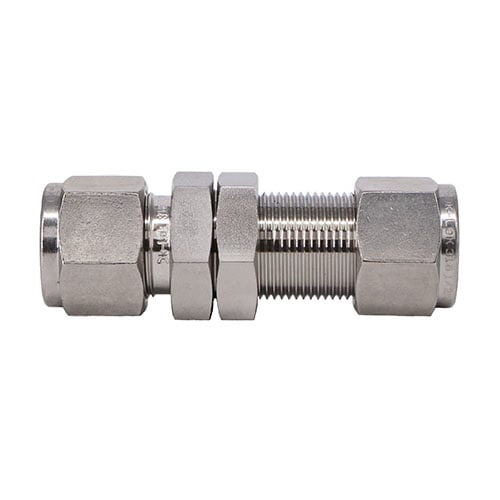
Pick the wrong tube connection and you invite leaks, rework, and downtime no plant will absorb. Choosing between compression, weld, and threaded tube connections comes down to three questions: how much pressure you run, how often you take the line apart, and how much labor you spend on the install. Answer those right and your instrumentation lines stay tight for years. Answer them wrong and you chase drips through the next turnaround. This guide walks you through each method so you connect tubing with confidence.
TL;DR
- Compression (twin-ferrule) fittings seal tubing with a nut and ferrules, install fast with no hot work, and reopen for service. They fit instrument, sample, and gauge lines.
- Welded connections fuse tube to fitting for a permanent, highest-integrity joint. They suit high pressure, high temperature, and zero-leak media, but demand a certified welder, purging, and inspection.
- Threaded connections join components at tapered NPT ports, defined by ASME B1.20.1, and need sealant plus correct torque. They shine at valve, gauge, and transmitter transitions.
- Most real instrumentation systems combine all three methods, using each where it performs best.
- Match the method to pressure, media, and service access, and confirm every rating before you assemble.
Quick Answer
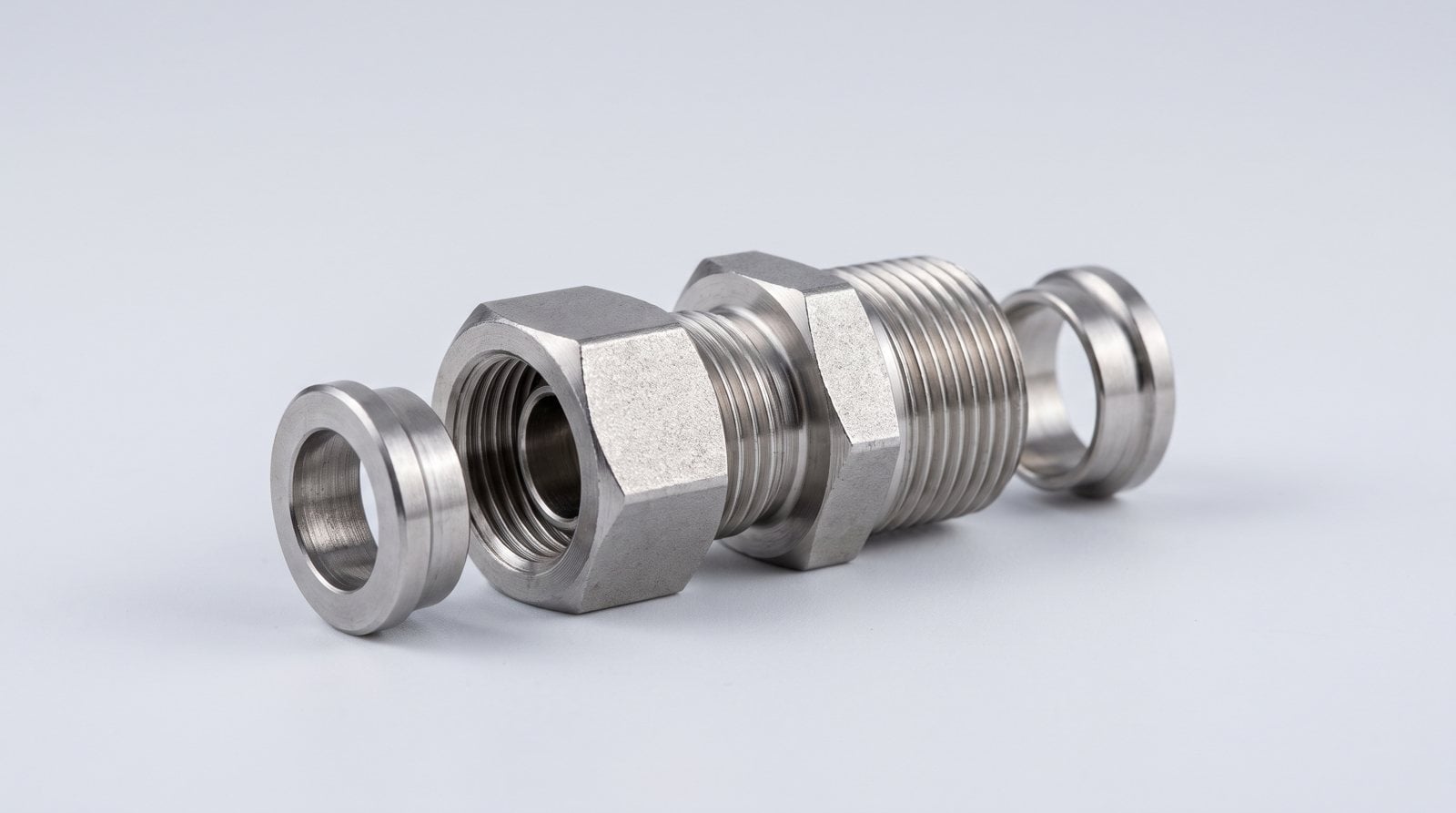
Use compression fittings when you want fast, serviceable, vibration-resistant joints on small-diameter instrument tubing. Choose welded connections for permanent, high-pressure, high-purity runs where a trace leak is unacceptable and future service is unlikely. Reach for threaded connections at ports and adapters, where you connect to a valve, gauge, or transmitter and still need to break the joint for service. Smart systems blend all three.
What is a compression tube fitting, and when do you use one?
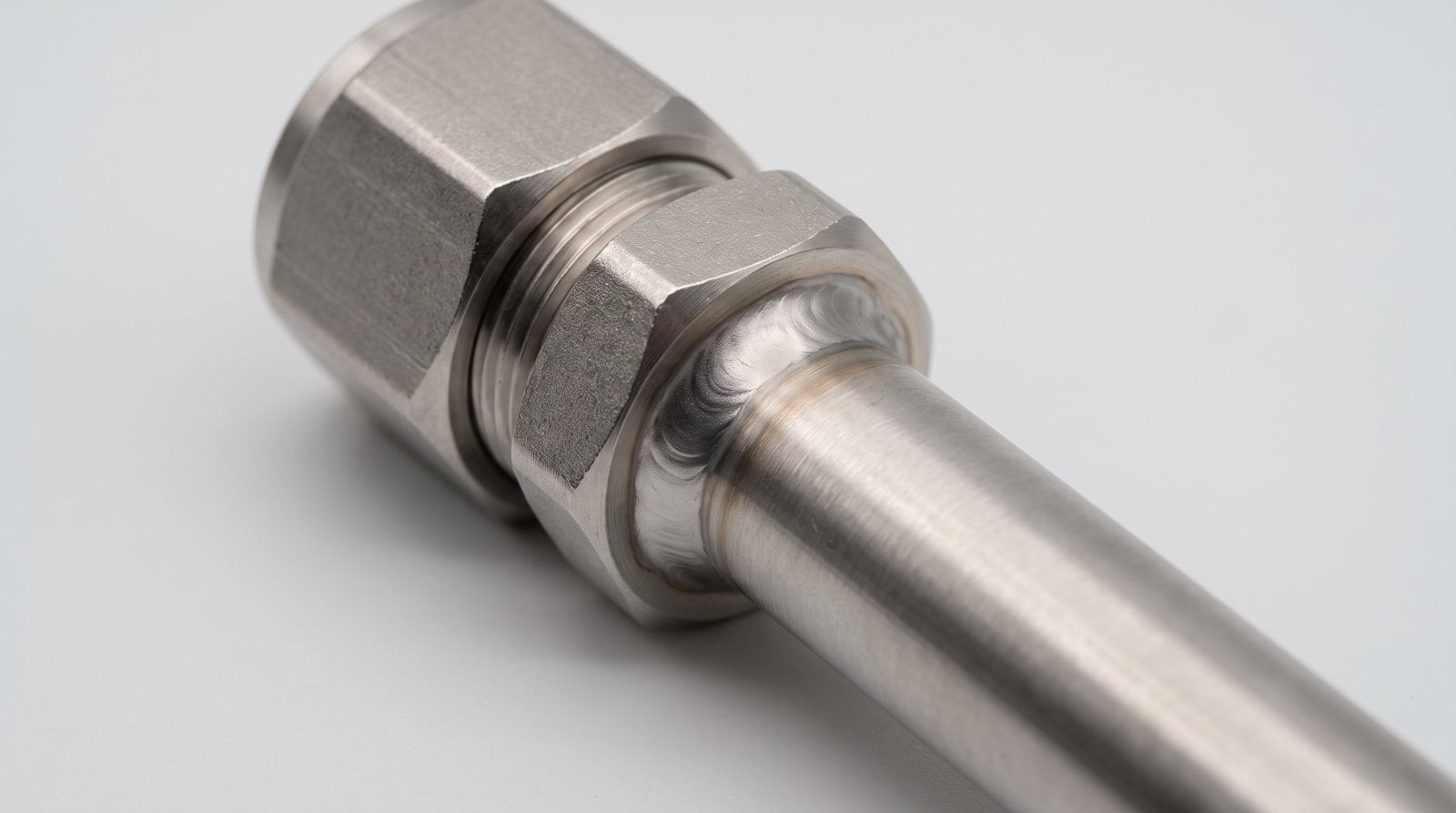
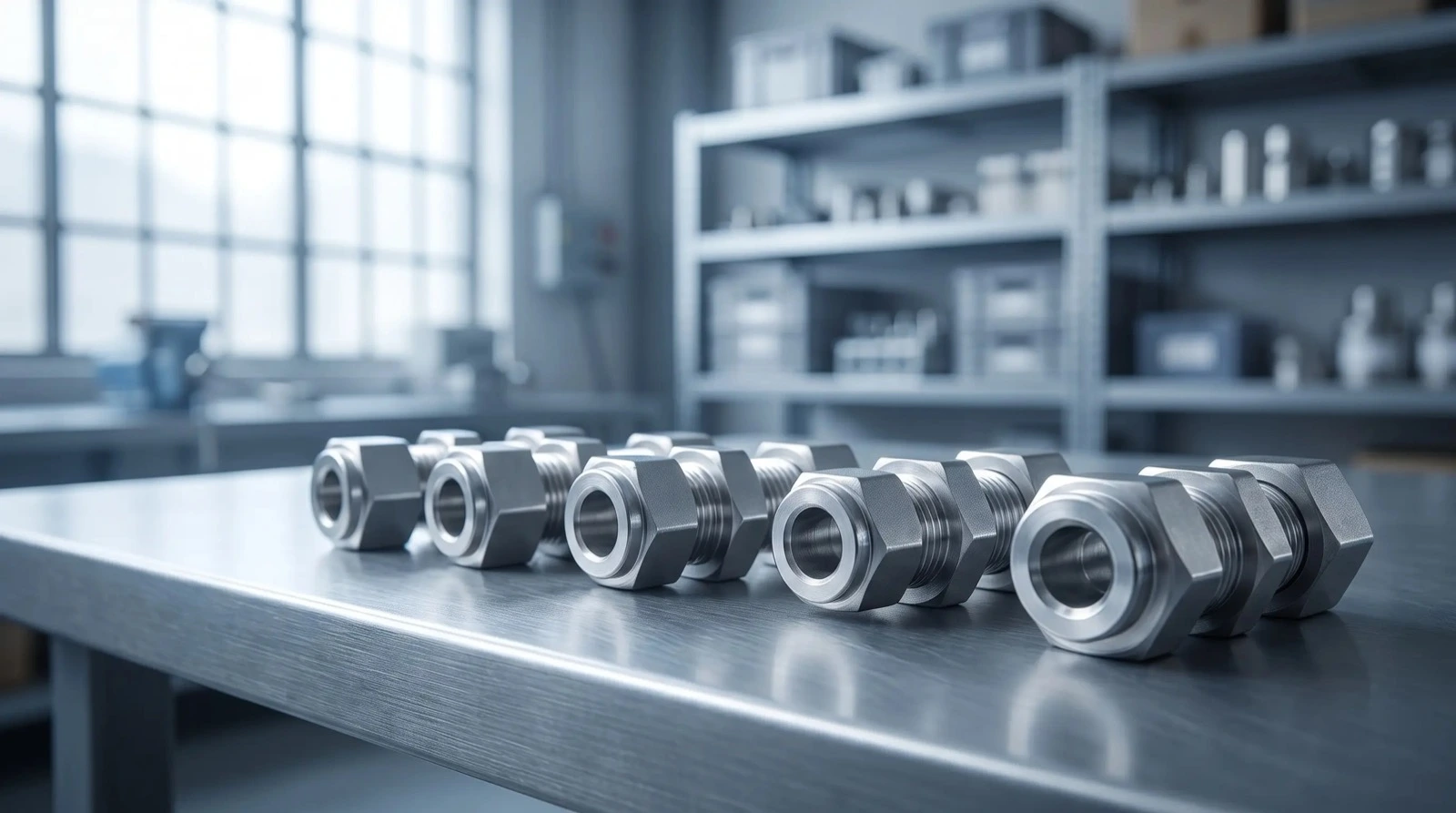
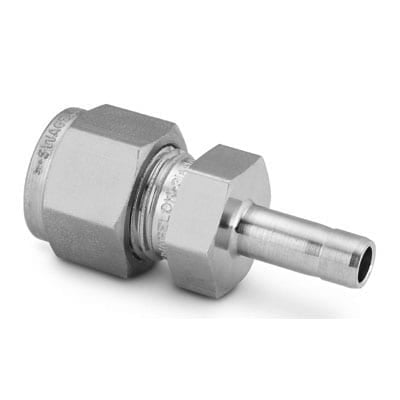
A compression fitting seals tubing with a nut and one or two ferrules gripping the tube wall as you tighten the assembly. You cut the tube, insert it, and pull it up tight. No flame. No filler rod. No welder certification. The speed makes compression fittings the workhorse of instrumentation and analytical systems.
Reach for a compression connection when you want:
- Fast, clean installs with no hot work permit or welding crew.
- Serviceable joints you will loosen for calibration, sensor swaps, or line changes.
- Reliable seals on small-diameter tubing common in gauge lines, sample systems, and hydraulic control.
- Vibration resistance, since a properly set two-ferrule design holds grip and seal under cyclic load.
Twin-ferrule designs like DK-LOK split the sealing job from the gripping job, so one ferrule bites the tube and the other seals the surface. The split-duty geometry gives you repeatable make-up every time you tighten. Collins-Oliver stocks DK-LOK as an authorized distributor, so you get genuine tube fittings, not a look-alike that fails inspection.
When does a welded tube connection make more sense?
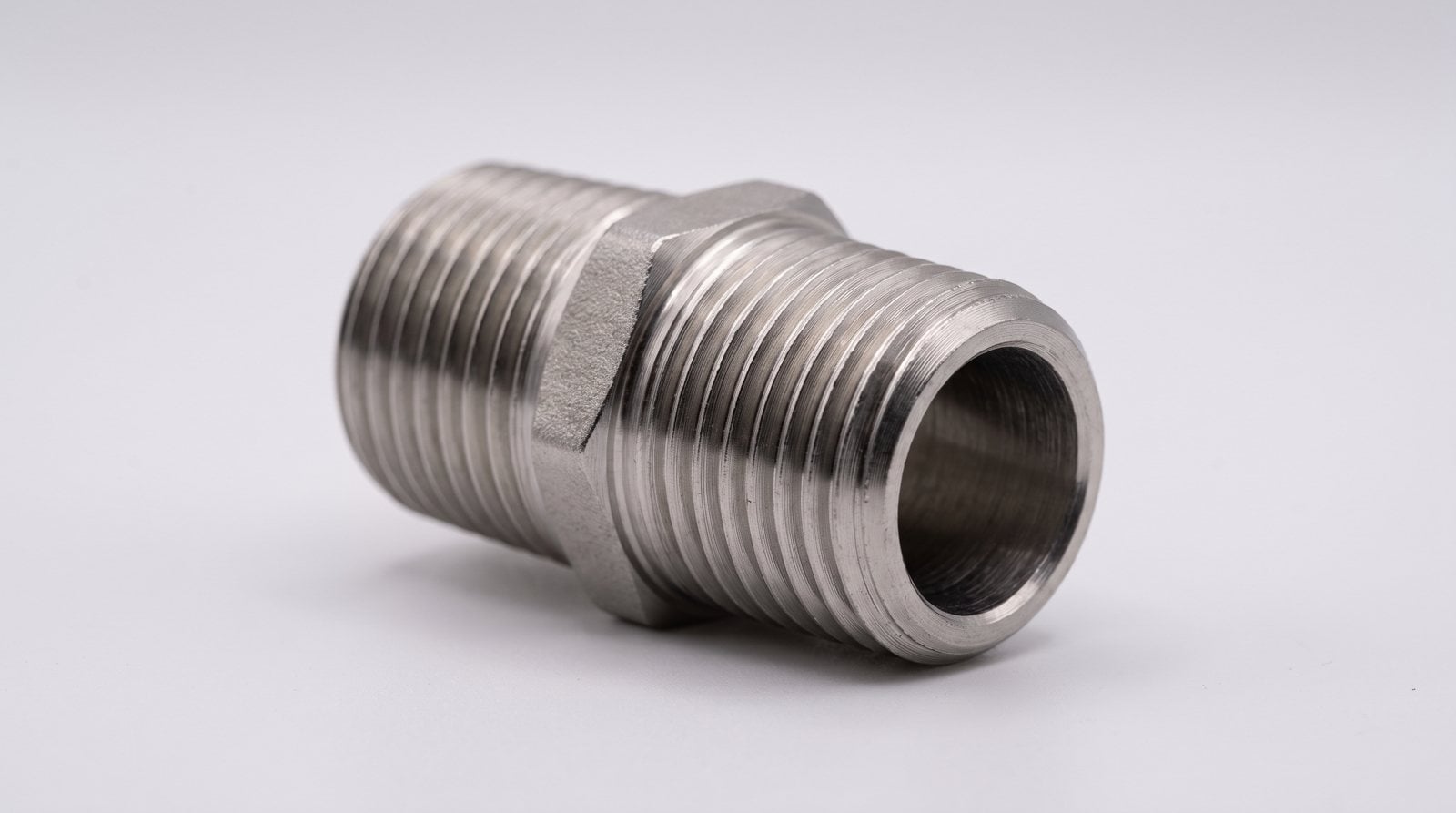
Welding fuses the tube directly to a fitting, an elbow, or another tube. Once you weld a joint, it becomes permanent. The permanence is the exact reason some engineers demand it. A sound weld leaves no mechanical seal to loosen, no ferrule to relax, and no thread path for media to escape.
Choose a weld connection when your system runs:
- High pressure or high temperature pushing past the comfort zone of a mechanical seal.
- Hazardous, toxic, or high-purity media where even a trace leak is unacceptable.
- Permanent runs you never plan to disassemble.
- Long, buried, or hard-to-reach lines where future service is unlikely.
Weld fittings do carry a cost. You need a qualified welder, hot work clearance, inert gas purging on stainless, and often X-ray or dye-penetrant inspection to prove the joint. On high-purity systems, orbital welding raises quality further: a mechanized arc rotates 360 degrees around a static tube to lay a smooth, crevice-free, full-penetration weld, and it will meet ASME Boiler and Pressure Vessel Code Section IX qualifications. That precision adds equipment and setup time. Weigh the labor against the security you gain, and lean on our instrumentation pipe fittings when a weld end is the right call.
Where do threaded tube connections fit in?
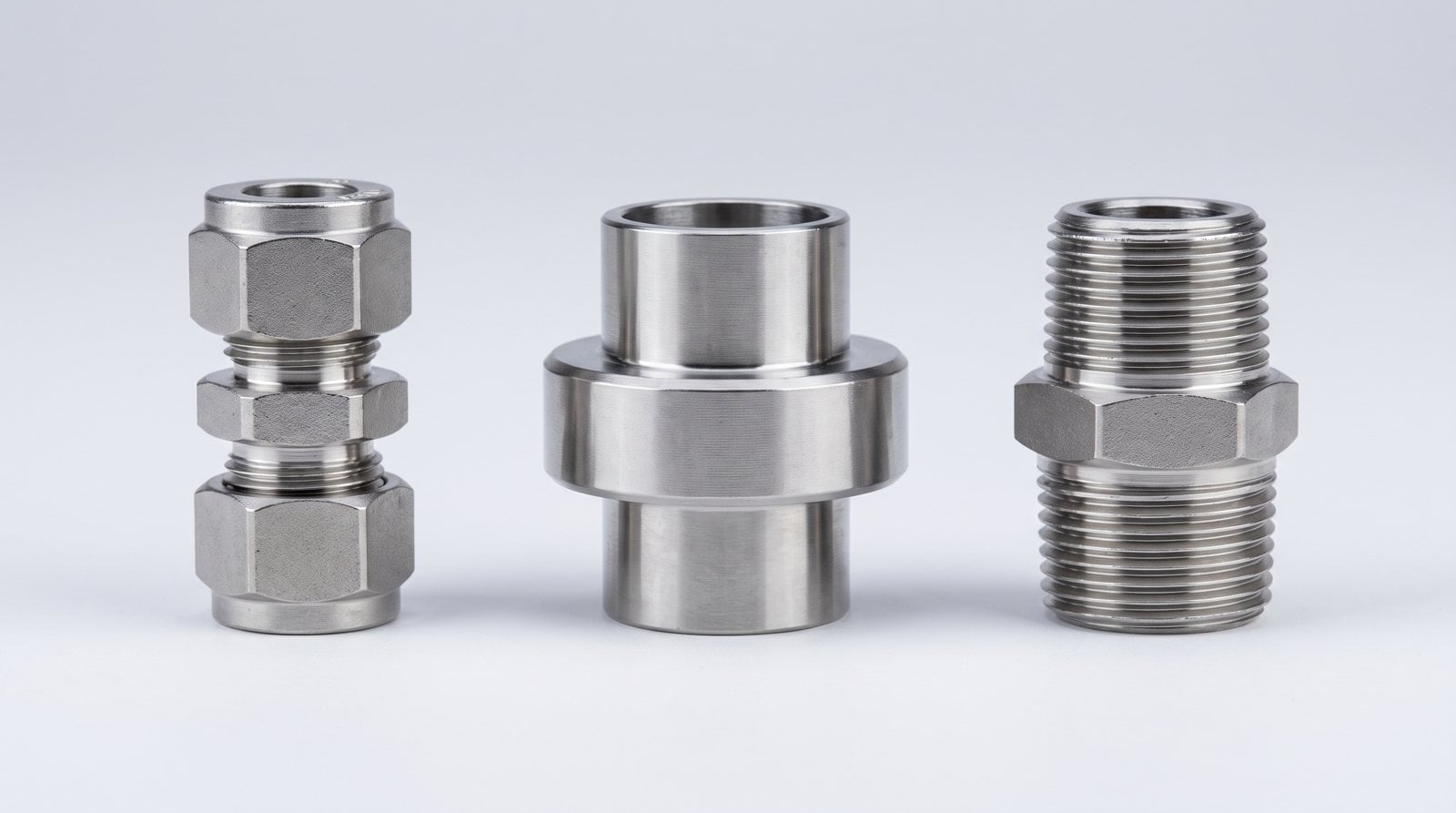
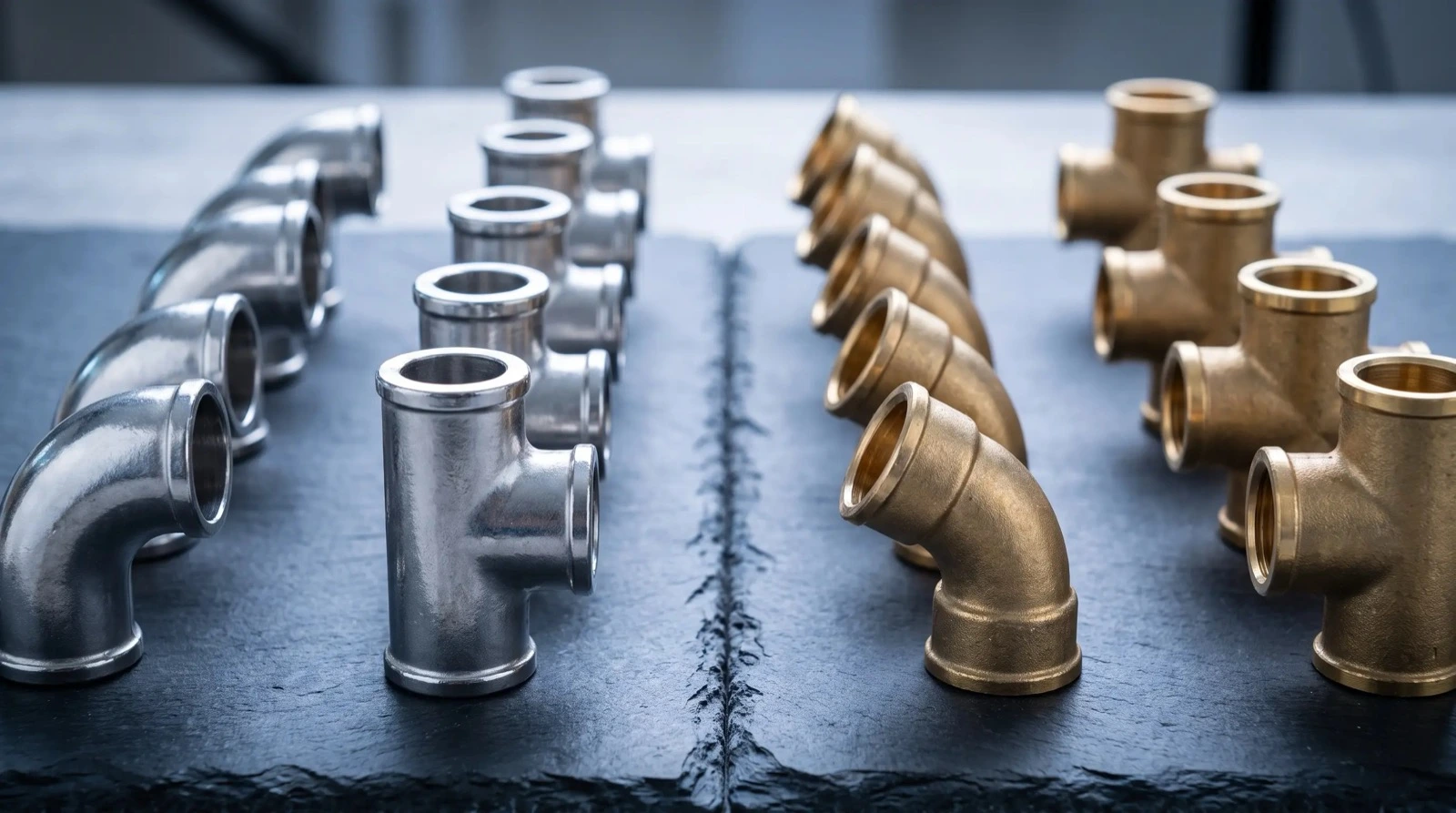
Threaded connections join components with tapered or straight threads, usually NPT for tapered pipe thread. You thread a fitting into a port, seal the threads, and torque it home. Threaded ends show up constantly at the transition points of a system: valve bodies, gauge ports, manifolds, and instrument stems.
Lean on threaded connections when you need to:
- Connect to a threaded port on a valve, transmitter, or vessel.
- Adapt between tube and pipe systems.
- Build a low-to-moderate pressure joint you will still break for service.
NPT tapered threads follow the ASME B1.20.1 standard, cut at a 60 degree thread angle with a 1-in-16 taper. Because a clearance remains along the thread spiral, an NPT joint needs PTFE tape or a thread sealant compound plus careful torque to stay leak-free. Over-tighten and you crack a port. Under-tighten and you weep. Threads also concentrate stress and resist vibration poorly on their own. So many instrumentation designs use a threaded end only at the port, then switch to compression tubing and valves for the rest of the run.
How do the three connection types compare side by side?
| Factor | Compression | Weld | Threaded |
|---|---|---|---|
| Reusable / serviceable | Yes | No, permanent | Yes, with re-sealing |
| Install speed | Fast | Slow, needs a welder | Moderate |
| Leak security at extremes | High when set correctly | Highest | Lower, depends on sealant |
| Vibration tolerance | Strong | Strong | Weak alone |
| Special skills / permits | Minimal | Certified welder, hot work | Minimal |
| Best use | Instrument lines, sample systems | Permanent high-integrity runs | Port and adapter transitions |
Notice how real systems mix all three. You will weld a critical process header, land a threaded valve at the instrument port, and run compression tubing everywhere you need flexibility and service access. Smart design puts each method where it shines.
Which connection should you choose for your application?
Start with pressure and media. Extreme conditions and zero-leak demands push you toward welds. Then ask how often you will service the line. Frequent access rewards compression. Finally, look at your ports. Existing threaded equipment sets the transition points for you. Match the method to the job instead of forcing one style across the whole plant, and never guess a rating.
Weigh total cost over the life of the line, not the price of a single part. A compression fitting costs more per piece than a threaded adapter, yet it saves hours of labor and reopens for service with no rework. A weld costs the most up front in labor, permits, and inspection, yet it removes a maintenance point for the life of a permanent run. When you price a connection, count the install crew, the hot work permit, the inspection, and every future service call, not the fitting alone.
Material choice matters as much as the connection method. Match the fitting alloy to the tube: 316 stainless steel for corrosive process media, and consistent alloy across the joint to avoid galling and galvanic problems. Mixing wall thickness or hardness across a twin-ferrule joint will weaken the grip, so confirm tube specifications before you order.
In our Baton Rouge warehouse we stock all three connection styles across DK-LOK and five more instrumentation lines, so a single call covers compression, weld, and threaded ends in one order. Bring us your operating conditions and let a specialist confirm the right connection before you buy.
Frequently Asked Questions
Will a compression tube fitting reconnect after you take it apart?
Yes. Twin-ferrule compression fittings reconnect after service. Follow the manufacturer's remake instructions and inspect the ferrules and tube end each time. Ask Collins-Oliver about DK-LOK remake guidance for your line.
Are welded connections always better than compression fittings?
No. Welds win on permanent, high-integrity runs, but they cost labor, permits, and inspection. Compression fittings win when you value speed and serviceability. Match the method to the application, not to a blanket rule.
Why do threaded connections leak more often?
Tapered NPT threads seal on flank contact and depend on correct sealant and torque. Vibration, over-tightening, and thread damage all break the seal. Many designers limit threads to port transitions and run compression tubing for the rest.
Will you mix compression, weld, and threaded connections in one system?
Yes. Most instrumentation systems combine all three. Weld the permanent high-pressure sections, thread the equipment ports, and use compression tubing where you need flexibility and future access.
What pressure suits a compression fitting versus a weld?
A properly set twin-ferrule compression fitting handles high working pressures for instrument and hydraulic service, while welds carry the highest-integrity, highest-pressure, and high-purity runs. Confirm the exact rating for your tube size, wall, and material before you assemble. Our resources hub and specialists will help.
Does Collins-Oliver carry all three connection types?
Yes. As an authorized DK-LOK distributor in Baton Rouge, Collins-Oliver stocks compression fittings, weld fittings, and threaded adapters, plus Swagelok, Parker, Hoke, Hy-Lok, and Superlok lines.
Get the Right Tube Connection from Collins-Oliver
Stop guessing at your tube connections. Collins-Oliver has supplied refineries, petrochemical plants, and power generators since 1986 with fittings that hold. As your authorized DK-LOK distributor in Baton Rouge, Louisiana, we match compression, weld, and threaded solutions to your exact conditions. Call (225) 922-9324 or (800) 247-5756 for a quote, and connect your lines right the first time.
About Collins-Oliver
Collins-Oliver, Inc. has distributed instrumentation tube fittings, valves, and tubing from Baton Rouge, Louisiana since 1986. As an authorized DK-LOK distributor serving Gulf Coast refineries, petrochemical units, and process plants, our team matches compression, weld, and threaded connections to your operating conditions and backs every order with genuine product. Call (225) 922-9324 or (800) 247-5756.